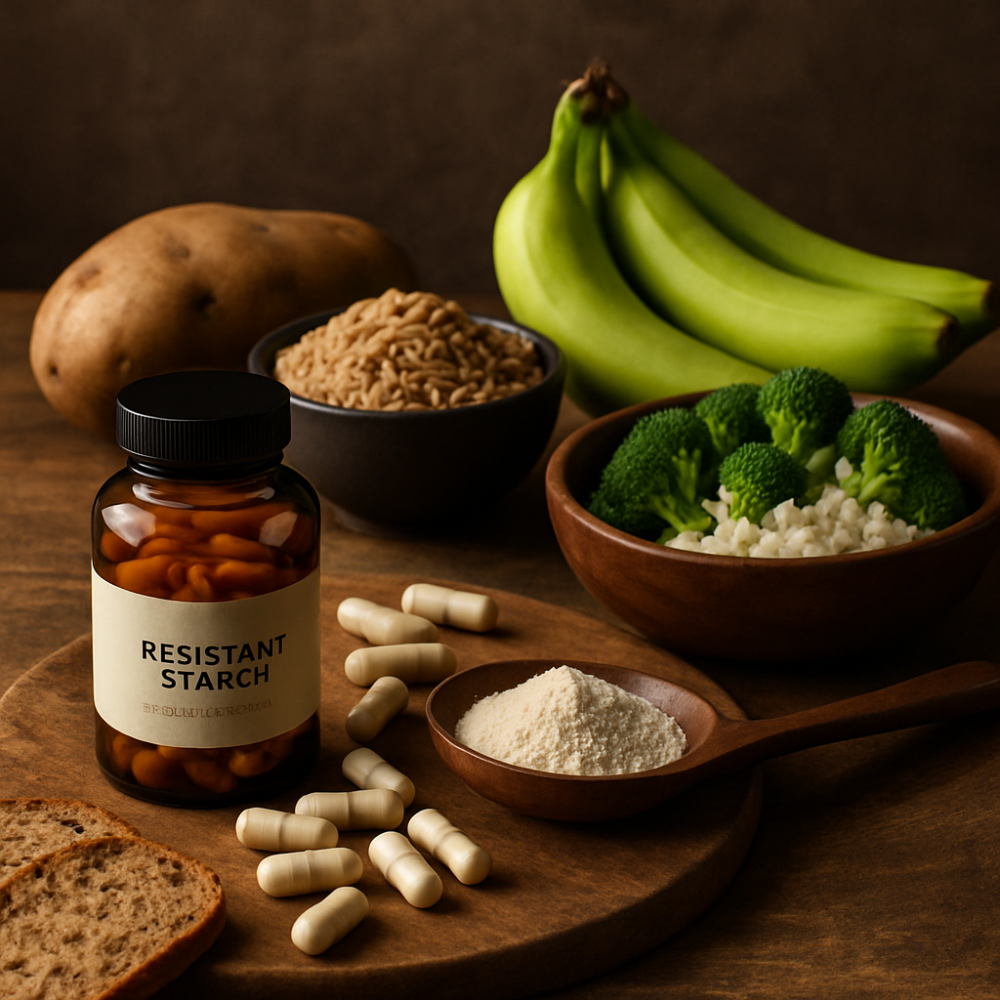
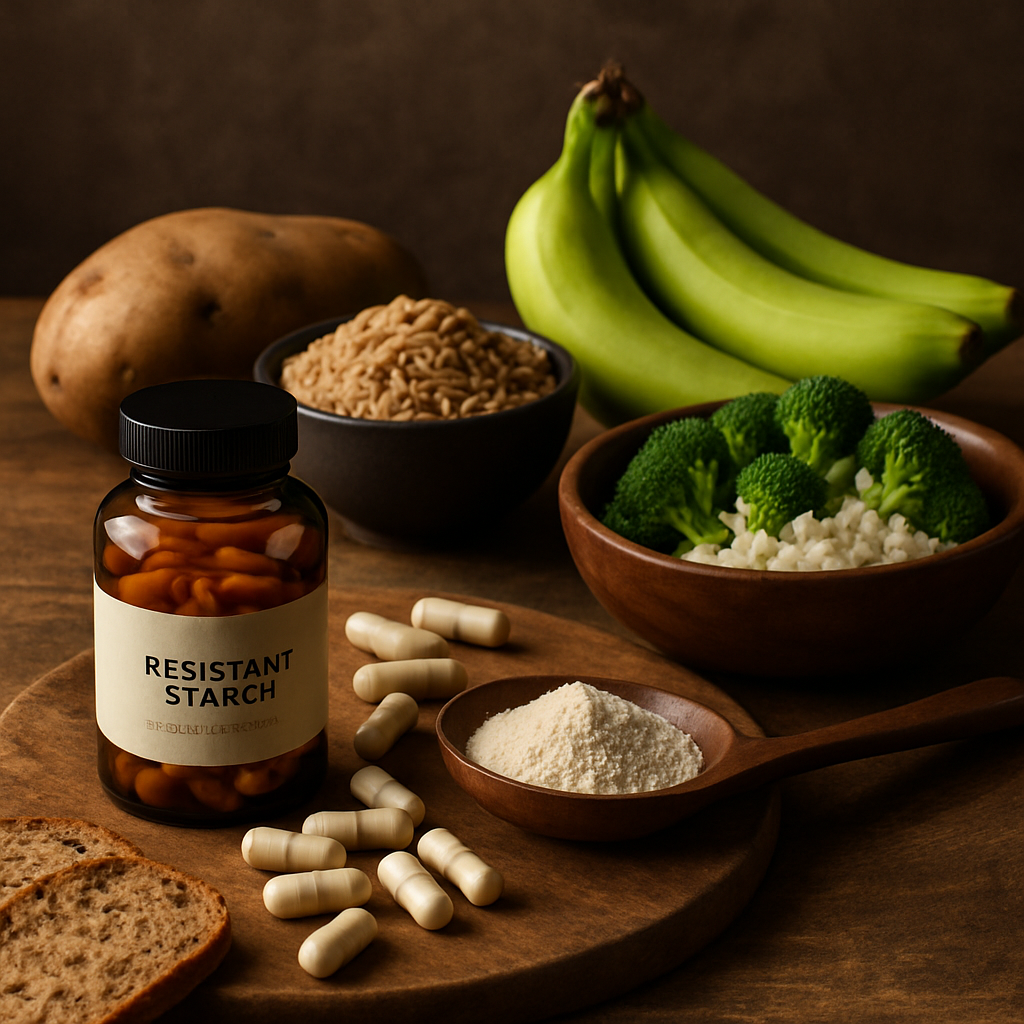
Resistant starch supplements have gained considerable traction due to their ability to support digestive health, metabolic balance, and potential weight loss benefits. These specialized carbohydrates resist normal digestion in the small intestine, passing into the colon where they act as a powerful fuel source for beneficial gut bacteria. Modern research shows that utilizing resistant starch—through targeted supplements or naturally high-starch foods—can help regulate blood sugar, improve satiety, and even reduce disease risk. Understanding how to use resistant starch and interpreting real-world results can help you decide whether a supplement is right for your health goals.
Starches Highest in Health-Boosting Effects: Food Sources and Supplement Forms
Not all starches are created equal when it comes to their health benefits. Resistant starch is found naturally in foods such as green bananas, legumes, cooked and cooled rice or potatoes, and certain grains. These foods provide a prebiotic effect, selectively nourishing the types of gut bacteria linked to improved metabolism and lower levels of inflammation. Research has confirmed that these sources have a lower impact on blood sugar and offer unique metabolic advantages (Harvard Health Publishing).
Supplemental forms of resistant starch are typically derived from high-amylose maize or green banana flour, with both powder and capsule options available. These supplements offer a concentrated way to increase resistant starch intake, especially for those who may not consume enough in their day-to-day diet. The convenience and measured dosage of these products have made them attractive for people seeking digestive, metabolic, or weight control solutions.
When evaluating supplements, look for products that specify the type and amount of resistant starch (type 2 from green bananas, or type 4 from certain processed corn). This helps ensure that you get a consistent benefit and can compare your results with scientific research outcomes.
Type 2 Starches, Green Banana, and Their Diabetes Chart Impact
Type 2 resistant starch, plentiful in raw green bananas and some corn-based products, is especially notable for its effects on blood sugar and insulin sensitivity. Individuals with, or at risk for, diabetes may experience improved glycemic control as resistant starch leads to a slower, lower rise in blood glucose after meals. Peer-reviewed data supports the impact of incorporating type 2 starches for a beneficial ‘diabetes chart’ profile, lowering both fasting and post-meal glucose (PMC review).
Green banana flour, as a rich source of type 2 resistant starch, is now widely available in powder form. Many use this supplement added to smoothies, yogurt, or oatmeal. Early adopters report improvements not only in sugar control but also in digestive function and a notable reduction in hunger between meals—making it helpful for weight management.
By feeding specific gut bacteria, type 2 resistant starch can also lead to increased production of short-chain fatty acids like butyrate, which play a protective role in the gut lining and have been studied with respect to diabetes prevention. The simple addition of green banana supplement powder may thus provide layered metabolic benefits.
Weight Loss Capsules, Satiety, and How to Use Powder
Many people try resistant starch supplements in the hope of supporting weight loss—often in the form of capsules or powders. The main mechanism is twofold: first, resistant starch increases the production of satiety-related hormones (like peptide YY), reducing appetite; second, by slowing down the digestion of other carbohydrates, it helps prevent rapid spikes and crashes in blood sugar which often drive cravings.
Recent reviews have demonstrated that regular consumption—with daily intakes ranging from 15-30 grams—can reduce overall calorie intakes in some individuals. For those using capsule formulations, it’s important to follow the dosing instructions on the product label for consistent results. Powders provide versatile ways to integrate resistant starch into recipes.
- Mixing powder into smoothies or yogurt: This method preserves the prebiotic properties while delivering a neutral taste. It allows for an easy increase in fiber without significant texture changes, helping meet daily targets effortlessly.
- Cooking and cooling starchy foods: When you cook rice, potatoes, or pasta and let them cool, the resistant starch content increases. This real-food strategy, combined with supplements, can further enhance the gut-health effect while boosting satiety and supporting weight management.
Benefits, Side Effects, and Reviews from Those Managing Anxiety or Cancer Risk
The list of reported benefits from high resistant starch intakes is extensive: improved regularity, reduced colon inflammation, and even a lower risk for colon cancer, as documented in various clinical trials (see research’s disease focus). Beyond digestion, some people notice an improvement in mood stability or anxiety symptoms, likely linked to the gut-brain axis and increased production of beneficial short-chain fatty acids.
However, any new dietary fiber—especially at high doses—can trigger bloating, mild cramping, or gas as the gut microbiome adapts. Most of these side effects fade over a week or two as the population of beneficial bacteria increases. Start slowly, especially when using capsules or powder supplements, and increase the dose incrementally while monitoring tolerance.
User reviews on forums such as Reddit highlight variability in results. Some users experience significant changes in appetite and weight, while others notice improvements in digestion or energy. Consulting a healthcare professional is advised, especially for those with digestive conditions or metabolic disorders seeking to optimize resistant starch supplementation strategies.
Healthy Recipes, How to Use, and Where to Buy Supplements Safely
For creative eaters, integrating resistant starch into daily meals can be both fun and beneficial. Stirring green banana powder or high-amylose maize starch into pancake batters, oatmeal, or even soups provides a stealthy fiber upgrade with measurable digestive benefits. Home cooks can also experiment with the cooking-cooling technique to maximize resistant starch in favorite meals.
When buying supplements, opt for trusted brands with transparent labeling. Verify third-party testing and seek professional guidance if you have specific health concerns. Health food stores and reputable online retailers usually stock both capsules and powder, with product reviews offering insight into real user experiences and satisfaction.
A downloadable PDF of diabetes tracking charts, as well as meal plans for high-resistance starch diets, can further support your journey. These resources can guide you in balancing real-food approaches with supplement strategies for personalized health outcomes.
Resistant starch supplements and naturally rich foods are a scientific, flexible way to support digestion, blood sugar, and metabolic well-being when used thoughtfully and consistently as part of a healthy lifestyle.