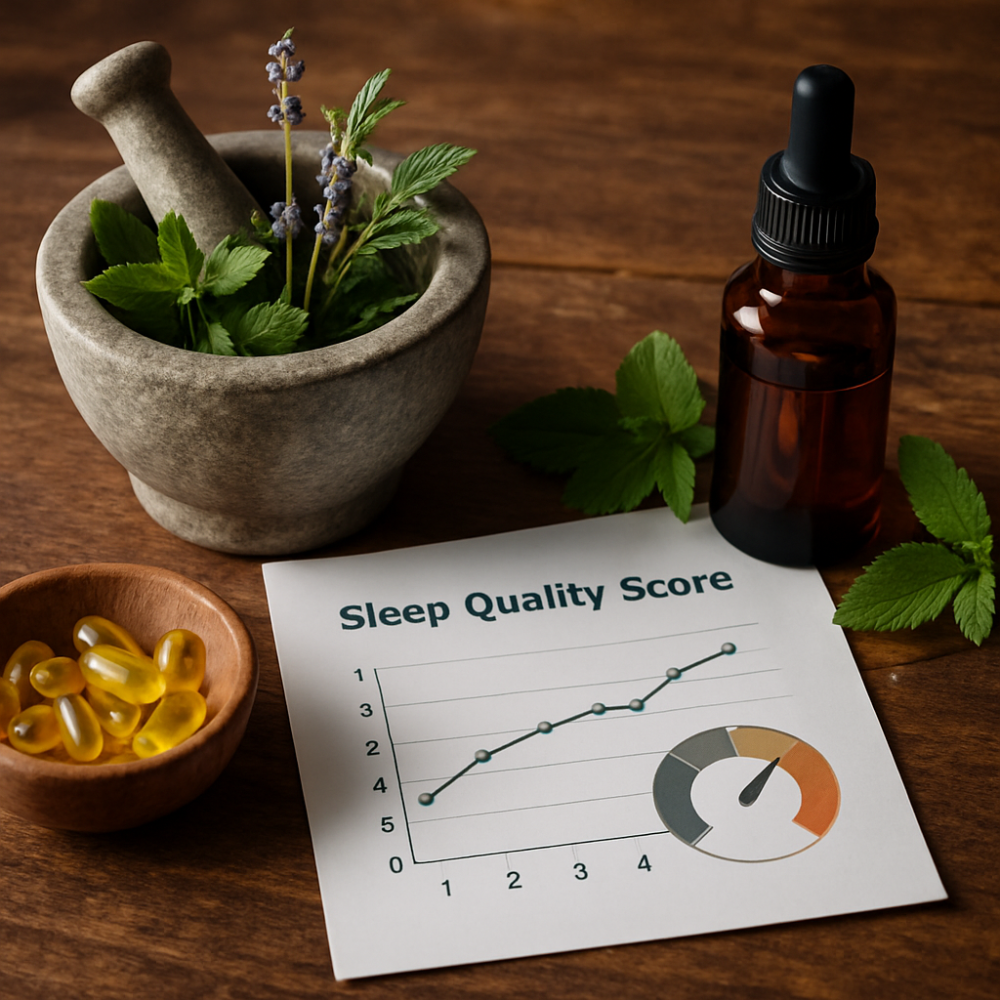
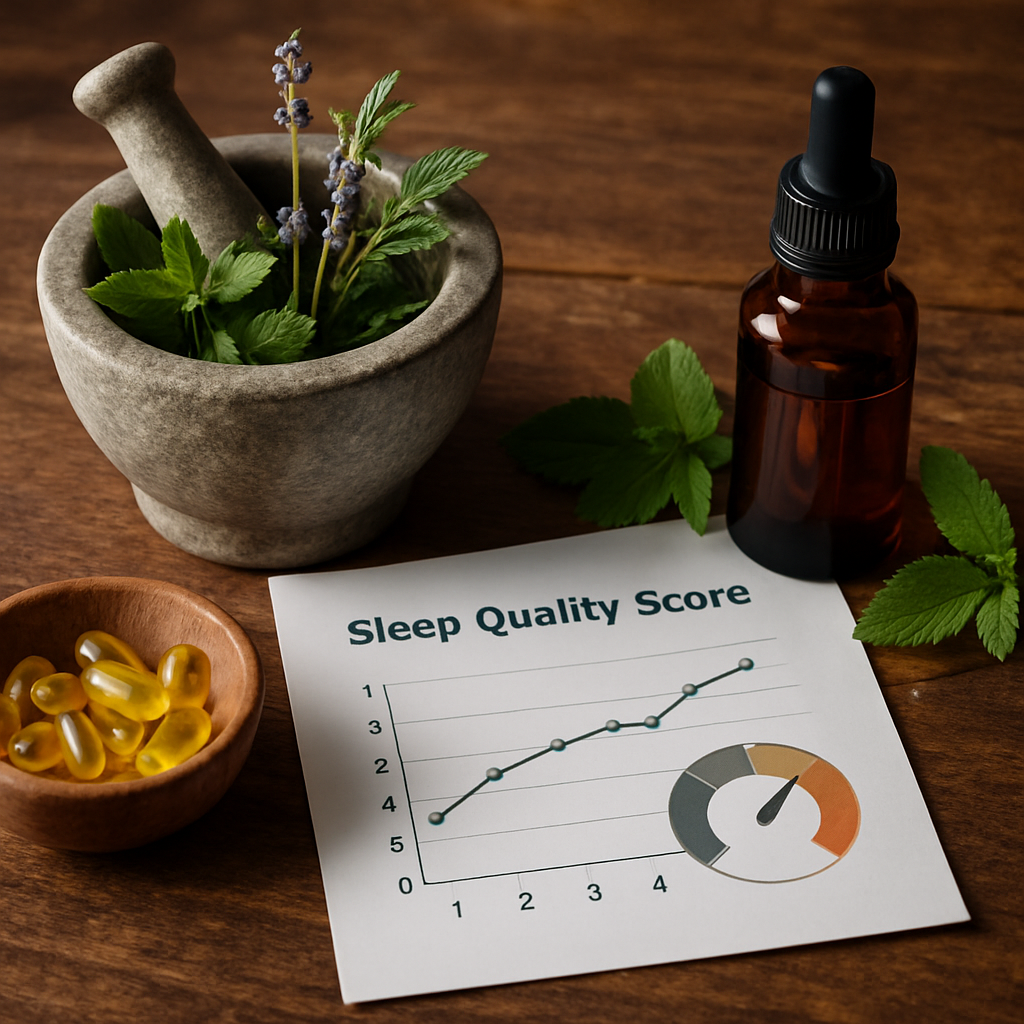
Sleep quality score provides a measurable way to assess your sleep beyond the hours you spend in bed. This score—which often draws from recognized questionnaires and scientific indices—reflects vital elements like sleep efficiency, continuity, disturbances, and sleep stages. Understanding how your sleep quality is calculated, interpreted, and improved is essential for both researchers and individuals seeking better rest, as poor scores can signal underlying health issues and impact daily function. Now, let us explore what shapes your sleep quality score, how science measures it, and why this knowledge is valuable for your health.
Understanding the Definition and Research Foundation of Sleep Quality
Sleep quality represents an overall assessment of how restorative and uninterrupted your sleep is, going far beyond mere sleep duration. According to ScienceDirect, factors such as how quickly you fall asleep (latency), how long you stay asleep without waking up (continuity), and the types of sleep you cycle through all influence your subjective and objective impressions of a night’s rest.
In scientific research, sleep quality is operationalized with specific definitions and attributes drawn from hundreds of studies and concept analyses. A comprehensive concept analysis published on PubMed highlights four key attributes: sleep efficiency (percent of time asleep while in bed), sleep latency, sleep duration, and wake after sleep onset. These dimensions provide the foundation for most sleep quality assessment tools.
Over time, leading researchers and clinicians have developed a shared vocabulary for assessing sleep quality. This includes standardizing what constitutes poor or good sleep, as well as how scores are calculated and reported, which is critical for both clinical practice and research publication in psychology and medicine.
PSQI Questionnaire and Online Sleep Quality Score Calculators
The Pittsburgh Sleep Quality Index (PSQI) is the most widely used and validated questionnaire for quantifying the sleep quality score. The PSQI uses a scoring scale derived from responses in seven domains, such as subjective sleep quality, sleep latency, and daytime dysfunction. It is respected for its reliability and validity in both clinical research and practical application—whether printed out as a PDF or filled out via online calculators.
Online sleep quality score calculators, sometimes modeled after the PSQI, simplify the assessment process. Users answer questions about their recent sleep habits, and the tool automatically computes a score indicating the overall quality of their sleep. These calculators often provide instant interpretation, highlighting problem areas, and sometimes offering basic recommendations to encourage healthier sleep patterns.
Additionally, mobile devices and wearables like the Apple Watch are integrating PSQI-based algorithms to estimate your sleep quality score by leveraging motion and heart rate data. While these technological tools can offer convenience, their results should, when possible, be viewed in conjunction with clinical questionnaires to ensure accuracy and thoroughness.
Scoring, Reliability, and Validity in Sleep Quality Assessment
The PSQI scale and similar instruments convert sleep experiences into quantitative scores, where higher totals typically indicate worse sleep quality. Understanding how these scores are interpreted is vital—for instance, a PSQI score above 5 suggests significant sleep disturbance and warrants further attention. Each component contributes a specific weight to the total, and clinicians use established cutoff values to differentiate clinical insomnia from normal sleep variations.
Reliability and validity are the hallmarks of any clinical instrument. The PSQI, for example, has undergone extensive validation across various populations, confirming that it measures what it intends to and does so consistently. Studies published in indexed journals have repeatedly supported these findings, underscoring its utility in both research and real-world settings.
Interpretation of scores allows researchers and psychologists to better understand the underlying mechanisms affecting sleep—be it psychological stressors, physical illness, or environmental disruptions. This scoring system not only guides diagnosis but also tracks improvements in sleep quality after interventions or lifestyle modifications.
The Science of Sleep Stages and Technological Measurement Tools
Sleep architecture—the pattern of sleep cycles and stages—plays a critical role in determining the sleep quality score. Non-REM and REM stages each serve distinct biological purposes, like memory consolidation and physical recovery. Disruptions in these stages, such as frequent awakenings or shortened deep sleep, can significantly lower your overall score.
Polysomnography (PSG) is the gold standard in sleep research, allowing for in-lab, high-fidelity measurements of these stages. According to The National Sleep Foundation, PSG provides in-depth analysis by tracking brain waves, muscle activity, breathing, and more, helping identify sources of poor sleep and providing data for the interpretation of quality scores.
With the advent of smart technology and sleep trackers, people can now collect continuous sleep data at home. While wearables and apps offer convenience, they may not always capture the complex variables that in-lab tests provide, and their estimates should be interpreted with this limitation in mind.
Real-World Application and Implications for Health and Psychology
For health professionals and researchers, the sleep quality score is a valuable diagnostic and monitoring tool. Consistently low scores are associated with an increased risk of cardiovascular disease, metabolic issues, and mood disorders, as described in detailed scientific reviews here. Early identification through PSQI or other validated scales enables practitioners to implement preventive strategies and therapeutic interventions.
Psychologists often rely on validated instruments like the PSQI to link sleep quality with cognitive performance, emotional regulation, and overall mental health. Research papers frequently investigate how poor sleep affects reaction times, decision making, and susceptibility to anxiety or depression, emphasizing the importance of regularly monitoring and addressing sleep-related complaints in a clinical setting.
For individuals seeking actionable change, understanding how your sleep quality is measured and interpreted provides a foundation for informed discussions with your healthcare provider. This empowers you to track improvements, test the effects of new routines, and access evidence-based solutions with confidence backed by scientific research.
Improving Your Sleep Quality Score and Practical Steps
There are several evidence-backed strategies to enhance your sleep quality score, rooted in both behavioral and environmental changes:
- Maintain a regular sleep schedule: Going to bed and waking up at consistent times reinforces your circadian rhythm, supporting better sleep continuity and efficiency. Consistency allows your body to anticipate rest, minimizing interruptions and reducing the time it takes to fall asleep.
- Optimize your sleep environment: A quiet, dark, and cool space helps promote uninterrupted rest, decreasing the likelihood of awakenings and increasing overall satisfaction with sleep. Reducing device usage and blue light exposure at night can further improve sleep onset and make your score more robust.
Ongoing monitoring with reliable tools—whether structured questionnaires like the PSQI or well-validated wearables—enables data-driven choices about interventions and lifestyle shifts. When issues persist, collaboration with a clinician ensures thorough exploration of potential underlying conditions, such as obstructive sleep apnea, anxiety disorders, or other health challenges contributing to poor sleep quality.
Ultimately, a strong sleep quality score merges scientific rigor with practical lifestyle adjustments, offering a clear, actionable reflection of your overall sleep health.