
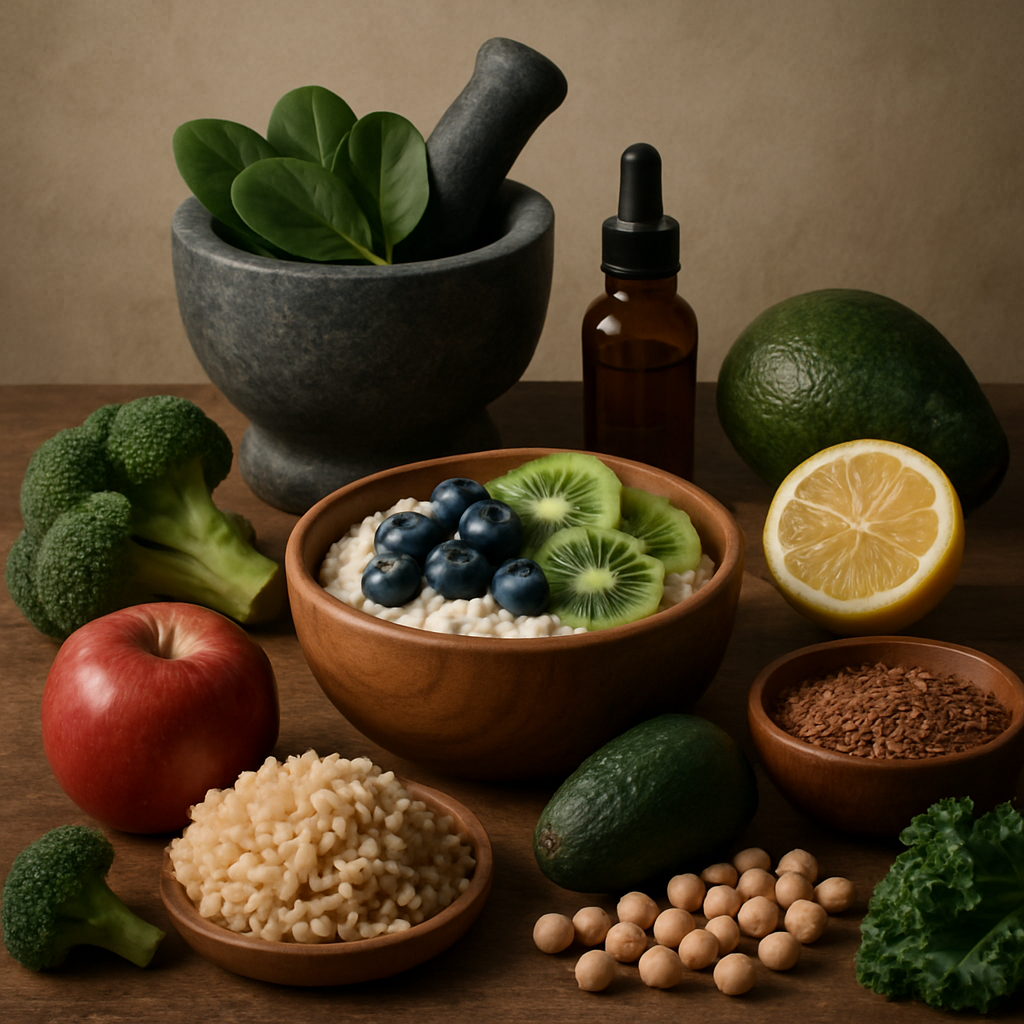
If you are seeking a realistic 14-day no sugar diet food list and meal plan, start by eliminating added sugars and swapping processed foods for whole, naturally sweetened options. The fastest path to reduced sugar intake involves avoiding sweetened breakfast cereals, syrups, and sugary spreads, while emphasizing fruits, high-fiber grains, vegetables, and unprocessed proteins. Whether you want to try a 14 days meal plan or set a 1 week no-sugar goal for weight loss, building your daily menu around wholesome, low-sugar foods is achievable, sustainable, and supported by authoritative health organizations like the NHS.
High-Fiber Meals to Support Your 14 Days Meal Plan
Removing added sugars does not mean sacrificing flavor or energy. Replace high-sugar breakfast cereals with unsweetened oats or wholemeal toast. Adding mashed banana, dried apricots, or sliced pear provides natural sweetness and key nutrients, while avoiding the blood sugar spikes associated with refined sugar. For lunch and dinner, choose brown rice, quinoa, or legumes alongside vegetables and lean protein sources like chicken, tofu, or fish.
Focusing on high-fiber foods helps you feel fuller for longer and stabilizes blood sugar levels throughout your 14 days meal plan. This approach addresses cravings, curbs the urge to snack on sweets, and supports digestive health. High-fiber options such as wholemeal bread, lentils, and nuts not only cut your dependency on refined sugar but also provide steady energy for busy days.
The NHS cautions that spreads such as jam, honey, and chocolate are all sources of added sugar. Lowering your intake by switching to nut butters and avocado can make your 14-day plan both enjoyable and effective for weight management.
No Sugar Diet and Weight Loss: What to Expect After 1 Week
Many individuals begin a no sugar diet for weight loss, hoping to see visible results after just a week. While every body is different, the absence of added sugar generally leads to reduced caloric intake, better hydration, and improved regulation of blood glucose. As you continue into two weeks, expect gradual weight loss, less bloating, and more stable energy levels.
Initial changes can be attributed to decreased consumption of highly processed foods, which often contain hidden sugars. These early victories build motivation and make it easier to commit to the remaining days of a 14-day or even a 30-day challenge. Documenting your progress helps you appreciate results, whether you are tracking body composition, appetite regulation, or mental clarity after a week without sweetened foods.
The NHS advises that added sugars should make up no more than 5% of total energy intake. By following these science-backed guidelines, you are investing in better long-term health and not just rapid weight loss (source).
Smart Swaps: The Fast Track to a 14-Day No Sugar Success
Sustainable lifestyle change hinges on making simple yet effective food swaps. Instead of fruit-flavored yogurts (often laden with added sugar), opt for plain Greek yogurt and add fresh berries or a spoon of chia seeds for flavor and fiber. Replace store-bought granola bars with a small handful of almonds or walnuts, and ditch soft drinks by infusing water with citrus or cucumber slices.
- Switching to wholemeal or granary bread over white bread supplies extra fiber, which slows digestion and keeps you satisfied longer. This not only cuts back on your body’s need for sugar but also supports healthy cholesterol and digestive function.
- If you’re used to sweet spreads, try nut butter, smashed avocado, or thinly sliced tomato. These alternatives provide healthy fats and nutrients without the sugar surge, making your breakfast or snack both nutrient-dense and filling.
Investing in these strategic dietary upgrades makes your 14-day no sugar challenge feel less restrictive and more sustainable over time.
Practical Tips for a 1 Week No-Sugar Reset
To effectively manage the transition to a low-sugar lifestyle, plan your meals ahead and keep healthy snacks within reach. Meal prepping allows you to control ingredients, avoid temptation, and save time during busy days. Focus on protein-rich choices like eggs, beans, or lean meats, paired with high-fiber vegetables and complex carbs such as sweet potatoes or barley.
If cravings strike, distract yourself with a glass of water or a short walk. The urge for sweet foods lessens dramatically as your taste buds adapt in the first week. Hydration supports this process, as thirst can sometimes be misinterpreted as hunger for sugary treats.
Sharing your journey with friends or a support group amplifies accountability. Many communities, from the NHS to social media platforms, offer dedicated resources and success stories for those pursuing a 14 days meal plan or a 21-day sugar-free challenge. Drawing on these examples can reinforce your commitment to positive change.
Why a No Sugar Diet Food List Benefits You Beyond Weight Loss
Taking on the 14-day no sugar plan sets the stage for benefits that extend far beyond weight control. Research has linked excess added sugar to chronic health issues including type 2 diabetes, increased cardiovascular risk, and liver disease (Mayo Clinic). By choosing minimally processed, low-sugar foods, you help reduce these risks while supporting steady energy and better mood.
Individuals who sustain a no sugar diet often notice improved dental health and fewer energy crashes throughout the day. This is because complex carbohydrates and fiber provide slow-release energy, buffering the highs and lows associated with sweets. Over time, your metabolism may become more efficient, your cravings subside, and your appreciation for the nuanced flavors of real food grows stronger.
Building a practical, long-term habit takes patience, but with detailed planning and scientifically backed substitutions, your 14-day no sugar food list becomes a blueprint for lasting wellness and a key tool in achieving optimal health.