The root chakra frequency, recognized as 396 Hz, is foundational in sound healing, believed to help clear fear, anxiety, and grounding imbalances. This specific frequency targets the Muladhara chakra, which is located at the base of the spine and is considered responsible for our sense of stability, physical security, and connection to the earth. Many individuals seeking healing or relief from stress explore music and meditation practices featuring this frequency, reporting various experiences linked to enhanced physical and emotional balance.
Muladhara Healing: Music, Mantras, and Physical Symptoms
Muladhara, often referred to as the root chakra, is the energy center most closely associated with feeling safe, secure, and connected in the physical world. Its optimal functioning is tied to a sense of being grounded, and physical symptoms of opening or blockage can manifest as issues with the legs, feet, lower back, or immune system. Many practitioners utilize the root chakra frequency of 396 Hz in the form of meditation music, chanting a healing mantra, or using a mudra specifically designed to stimulate this center, aiming to heal naturally and open fast when feelings of fear or instability arise.
Sound healing traditions maintain that when this frequency is regularly integrated into one’s practices, individuals may observe reduced physical tension, improved vitality, and even shifts in their psychological outlook. The 396 Hz vibration is also woven into affirmation practices—simple statements repeated to help remove subconscious fears or limiting beliefs locked in the body. Those who experience root chakra opening often describe a greater connection to their environment and enhanced resilience under stress.
Beyond meditative sounds, the Muladhara’s role is evident in other daily rituals. For instance, herbal teas and baths containing root herbs (like dandelion, burdock, or ginger) are traditionally used to support grounding and cleansing. Engaging the sense of smell with earthy aromas during music therapy sessions or meditation further assists in activating and balancing this chakra, creating a holistic approach to root chakra health.
Sacral, Solar Plexus, and the 7-Frequency Energy Chart
The root chakra stands as the foundation in a system of seven primary energy centers, and its 396 Hz frequency forms just the starting point in the broader spectrum of healing frequencies. The sacral and solar plexus chakras, located above the root, are stimulated by their own frequencies—417 Hz and 528 Hz respectively—and each brings its unique set of benefits and symptoms when activated. Understanding the full chakra frequency chart gives a clearer picture of how energy flows from the root upward.
Each of the seven chakras has a frequency, color, associated mantra, and area of the body it influences. While the root governs security and grounding, the sacral and solar plexus focus on creativity, emotional flow, willpower, and personal strength. When energy becomes blocked at any point in this system, physical symptoms or emotional struggles may emerge. Studying the complete chart allows practitioners to tailor their approach, choosing music, affirmations, or herbs targeted for each chakra’s specific function and frequency range.
Continuous practice involving the full resonance chart nurtures an alignment in which energy is free to travel up the chakras, resulting in a deep sense of physical, emotional, and spiritual well-being. Encounters with blockages—such as a sense of insecurity or chronic fear—often point back to root chakra imbalances, which can be systematically addressed using personalized frequency soundtracks and daily rituals.
How to Use Affirmations, Foods, and Crystals for Root Chakra Activation
Affirmations focused on the root chakra are typically statements that reinforce support, belonging, and trust in one’s physical presence—such as “I am safe,” “I am grounded,” or “I trust the process of life.” These can be paired with 396 Hz meditation tracks to deepen their impact. Repetition, especially when combined with conscious breathing and visualization, is thought to accelerate the activation of this foundational energy center.
Nutrition plays a key role in root chakra health. Consuming root vegetables like carrots, beets, and potatoes, as well as protein-rich foods and vibrant red fruits, is believed by many to aid grounding and bring the physical body into harmony with the earth’s energy. Eating mindfully and with intention helps reinforce a sense of stability, particularly when paired with spiritual practices such as mindful fasting or ceremonial meals rooted in gratitude and awareness.
Crystals such as red jasper, hematite, and garnet are commonly used to further support the root chakra. Placing these stones on the body during meditation or keeping them nearby can serve as tactile reminders to remain present and grounded. Each crystal is thought to amplify the effects of affirmations and music therapy, promoting a robust sense of security and energy flow at the Muladhara center.
Herbs, Tea Baths, and Rituals for Grounding and Chakra Cleansing
Integrating herbal remedies is another traditional approach to root chakra work. Herbs such as sage, vetiver, and patchouli are renowned for their grounding properties. When prepared as soothing teas or used in aromatic baths, these plants provide a multi-sensory experience that deepens a sense of rootedness in the body. A well-crafted third eye tea recipe featuring balancing herbs can complement root chakra work by fostering awareness, but for grounding specifically, teas should have a deep, earthy quality and promote relaxation.
Baths with dissolved mineral salts and a blend of root or earth-based herbs are believed to cleanse energy fields and prepare the body for healing. Incorporating the symbolic use of these natural elements—along with listening to 396 Hz music—can create a whole-body ritual that connects physical, emotional, and spiritual states. Such routines encourage regular reflection, tension release, and realignment with core values.
- Practitioners often infuse their tea or bath ritual with a short meditation or prayer, focusing on releasing what no longer serves them. As the body soaks or sips, attention is given to the feet and legs, mentally visualizing roots connecting to the earth. This enhances both the physiological and energetic effects of the ritual, grounding scattered energies into stability.
- Combining these physical acts with affirmation and frequency-based music leads to a comprehensive healing experience that honors both tradition and the needs of the modern individual. Consistency is key for noticeable benefits, with many reporting profound experiences after several sessions integrated into their weekly wellness routine.
Experiences, Opening Symptoms, and Body Awareness for Root Health
Personal accounts of root chakra opening range from subtle sensations like tingling in the legs or a warm feeling at the base of the spine, to more noticeable psychological shifts—greater calm, reduced fear, and improved decision-making. These experiences often follow a period of intentional focus on the root chakra frequency, affirmations, or related grounding practices. Not everyone’s journey is identical, yet increased body awareness and instinctive self-care are common threads among those who persist.
Physical symptoms of blocked or opening root energy include persistent fatigue, restlessness, or chronic discomfort in the lower back and legs. As energy flow improves, many feel steadier, with greater resilience to daily stressors. Some also report clearer boundaries in relationships and enhanced motivation to pursue practical goals, reflecting the stabilizing influence of a balanced Muladhara center.
It is not unusual for old fears or memories to surface during periods of root chakra healing. While this can feel challenging, it is typically viewed as a natural aspect of releasing stored tension from the body. Engaging supportive practices, seeking guidance from holistic practitioners, or consulting trusted sources such as the information found at Root Insurance can help facilitate the process and ensure a safer, more empowering healing journey.
Symbol, Meaning, and Free Tools to Support Root Balance
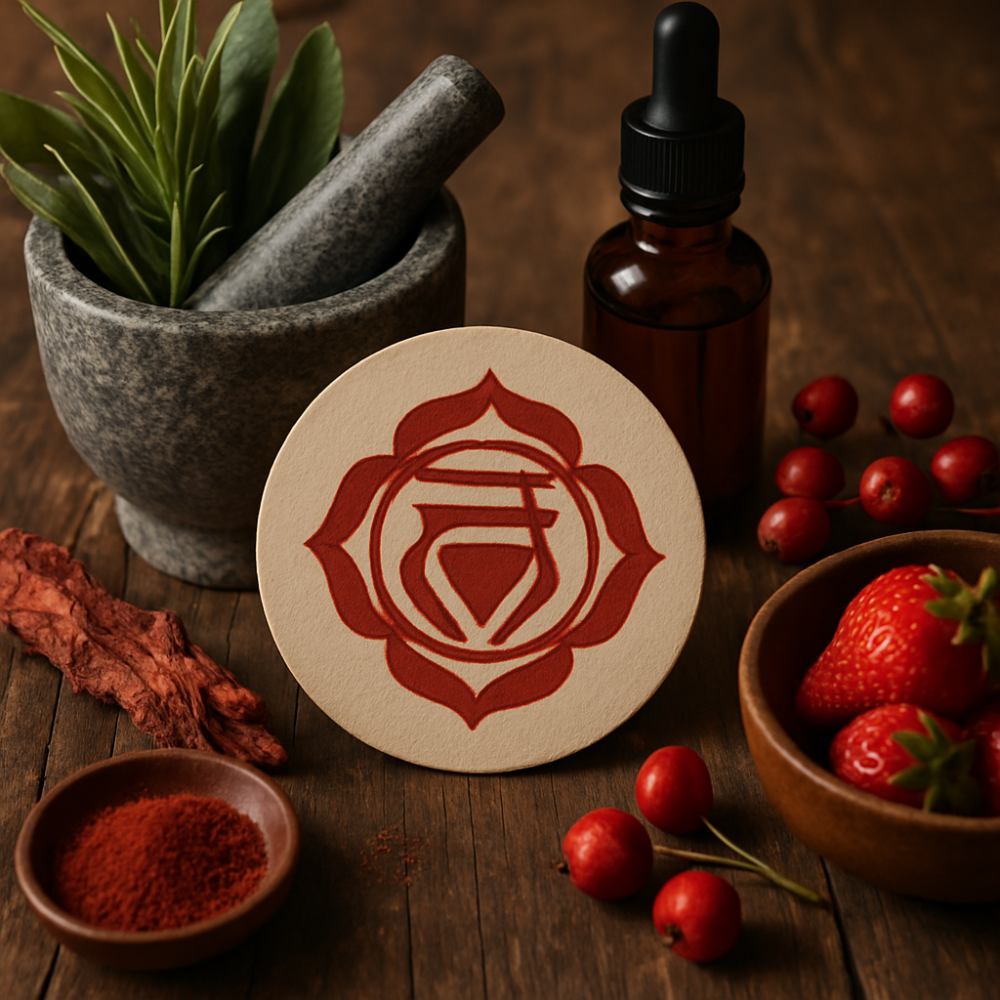
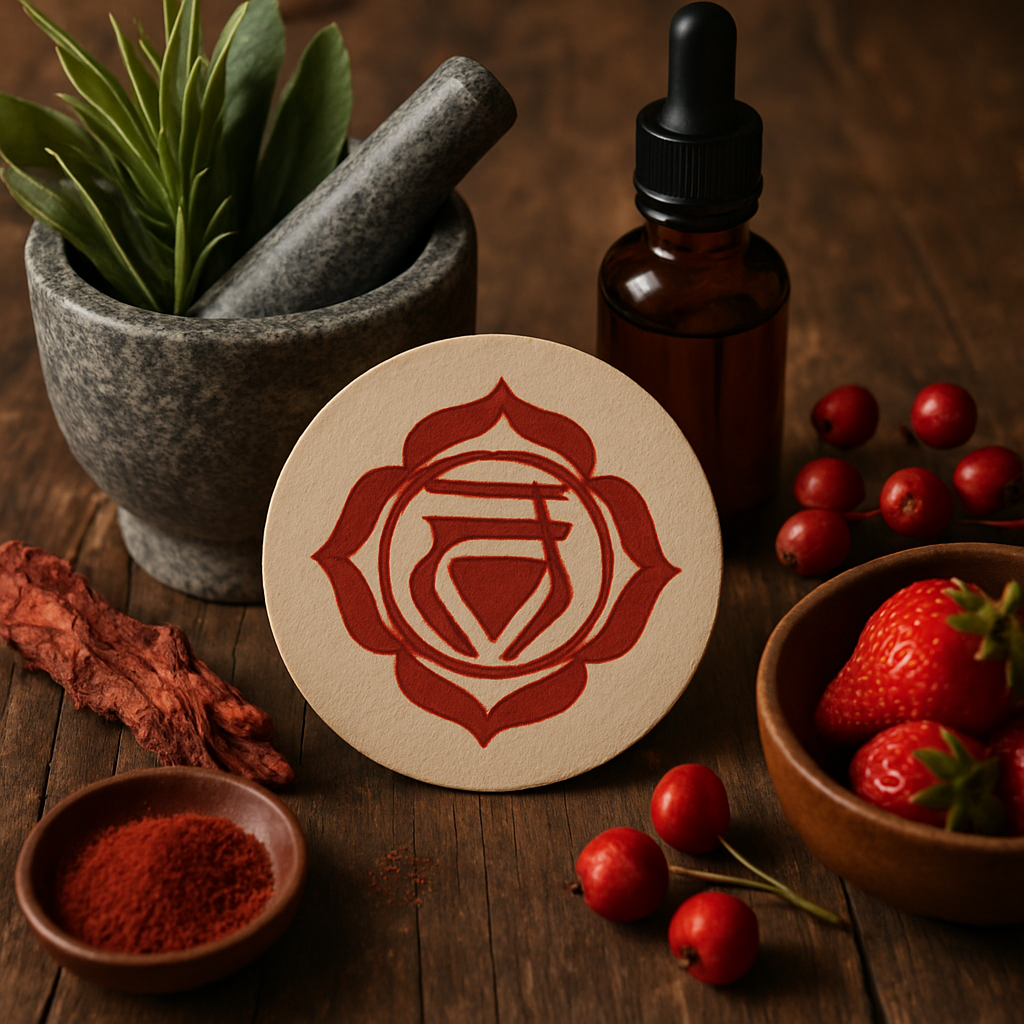
The symbol for the root chakra—a red, four-petaled lotus with a square and inverted triangle—captures its essence of stability, foundational strength, and earth-based support. This imagery is frequently used in visual meditations and artistic representations to trigger subconscious associations with safety and grounding. Understanding the meaning behind the symbol can deepen one’s relationship with the Muladhara chakra, providing a visual anchor during stress or uncertainty.
Today, a wealth of free tools can aid those pursuing root chakra healing: digital sound libraries of 396 Hz tracks, guided meditations, printable affirmations, and chakra location images are widely available. Ensuring that these resources are sourced from reputable wellness guides or official platforms helps maintain the integrity and efficacy of one’s practice. In cultivating an individualized regimen, users may track their experiences in journals or even use modern wellness apps to monitor progress and maintain accountability.
The journey towards a balanced root chakra is deeply personal yet supported by collective wisdom. By integrating music, herbal rituals, affirmations, nutrition, and mindful routines, individuals can cultivate a profound sense of belonging and foundational tranquility, starting with the resonance of 396 Hz and the rooted wisdom of the Muladhara.