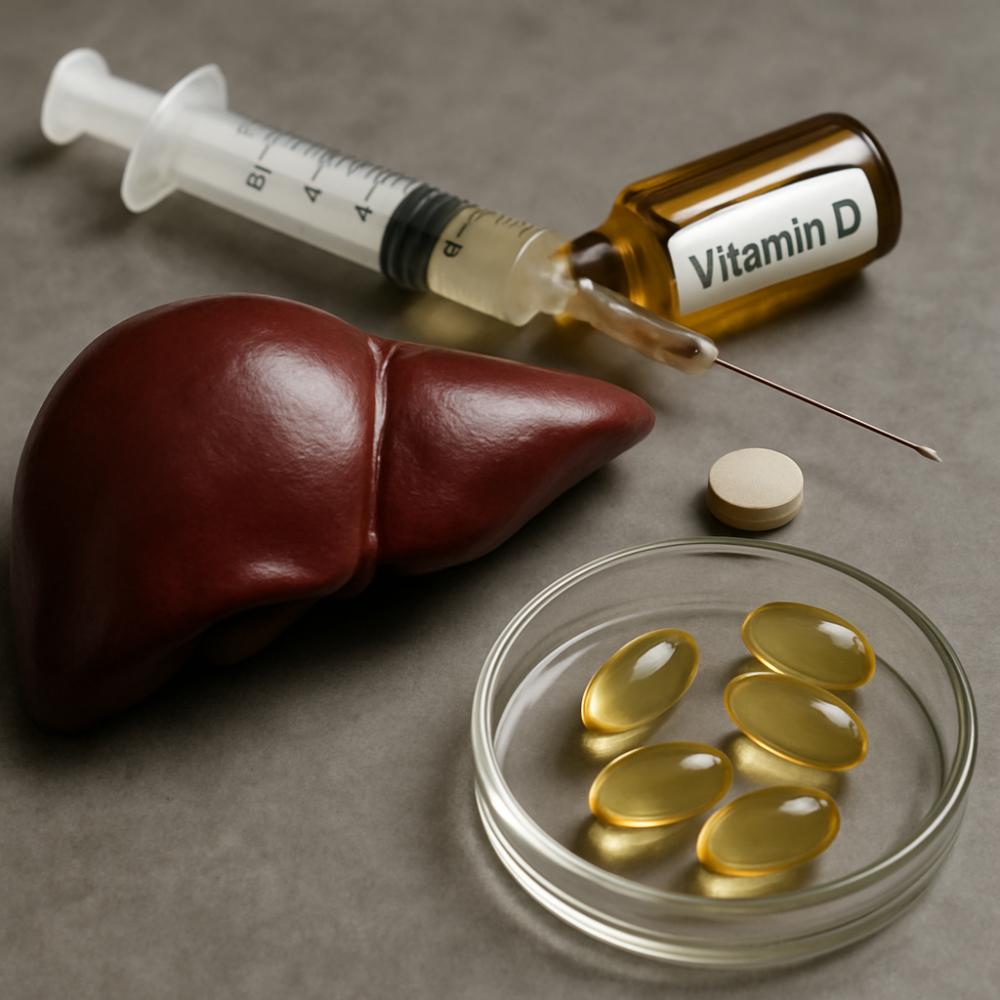
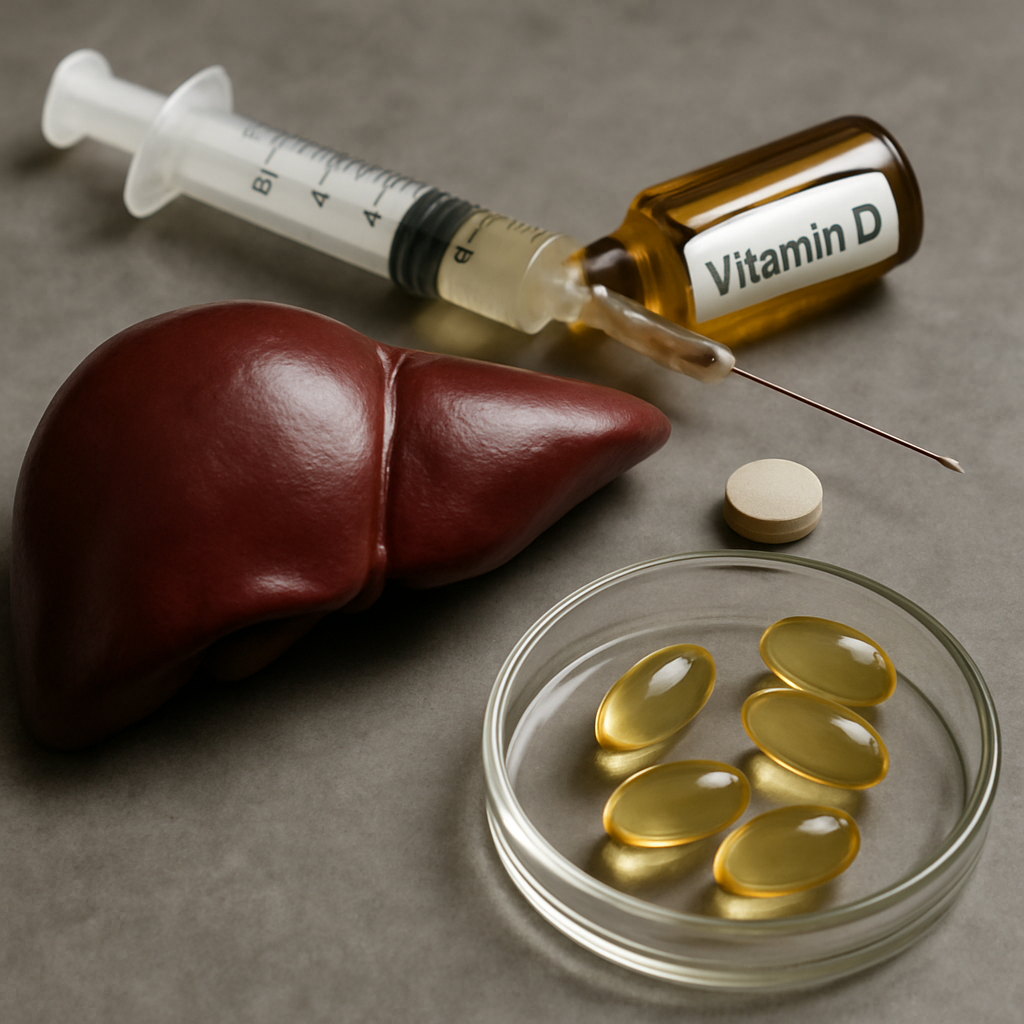
For those considering treatment options for vitamin D deficiency, intramuscular vitamin D administration is emerging as a reliable and effective approach—especially when concerns exist around liver function, cofactor interactions, and hormone balance. Recent research confirms both the safety and efficacy of intramuscular cholecalciferol injections, highlighting their use in populations with unique metabolic requirements, such as adults with hepatic challenges or those requiring fine-tuned vitamin and hormone regulation (source).
The Impact of Intramuscular Vitamin D on Serum 25(OH)D and Liver Function
Unlike oral supplementation, intramuscular vitamin D bypasses first-pass metabolism in the liver, making it especially useful for individuals with hepatic insufficiency. Serum 25-hydroxyvitamin D levels tend to rise more predictably and steadily with this route. High-dose injections, such as 200,000 IU, are shown to significantly elevate serum concentrations in patients without exacerbating jaundice or causing hepatic strain.
Clinical studies have validated these findings by directly measuring 25(OH)D shifts post-injection. The predictable serum responses reduce risks tied to variable gastrointestinal absorption or liver enzyme fluctuations. In settings where liver compromise is a concern—such as chronic hepatitis or post-surgical states—this method can be particularly advantageous (clinical confirmation).
Another benefit is the lower frequency of dosing required. Unlike daily oral regimens, a single injection may maintain optimal vitamin D levels over an extended period, reducing the compliance burden, especially when liver metabolism is slowed.
Cofactors Involved in Vitamin D Activation and Utilization
Vitamin D metabolism is influenced by several cofactors, including magnesium, vitamin K2, and certain hormones. Intramuscular administration can streamline vitamin D delivery, but adequate levels of these companions are still necessary for full biological benefit. For example, magnesium assists in enzymatic conversion to the active hormone, while vitamin K2 supports the safe deposition of calcium, avoiding vascular or soft tissue complications.
It is particularly important to assess cofactor sufficiency during intramuscular therapy because high-dose vitamin D can sometimes unmask deficiencies or increase physiological demand. Monitoring and supplementing cofactors such as folate and B12 may further optimize therapy and support overall metabolic health during vitamin D restoration.
Understanding this interplay also assists clinicians in predicting or responding to rare side effects like mild nausea, or biochemical shifts in calcium and phosphorous that could potentially accompany robust repletion strategies.
Clinicians are encouraged to evaluate dietary patterns, medication profiles, and possible malabsorption syndromes that might interfere with the synergy between vitamin D and these essential micronutrients.
Interactions Between Vitamin D, Hormones, and Liver Function
Vitamin D functions as a hormone itself and exerts regulatory control over other endocrine pathways, including cortisol, parathyroid hormone, and sex hormones. Individual hormone levels—affected by menstruation, cortisol secretion, and postpartum states—can influence, or be influenced by, vitamin D metabolism.
The liver plays a crucial role in the hydroxylation steps required to activate vitamin D. Patients with liver dysfunction may exhibit paradoxical responses to supplementation, such as resistance to normal doses or more rapid serum clearance. Regular monitoring through calculated infusions tailored to the patient’s hepatic capacity ensures effective and safe restoration of 25(OH)D.
Additionally, hormonal fluctuations related to periods, pregnancy, or breastfeeding may necessitate dose adjustments to prevent depletion or excessive build-up. Postpartum and emergency intervention protocols often incorporate intramuscular vitamin D due to its high and predictable bioavailability.
Managing Side Effects: Liquid Form, Nausea, and Monitoring
Although intramuscular vitamin D is generally well tolerated, some individuals may experience localized effects such as mild pain at the injection site or transient systemic symptoms like nausea. There are also rare cases of urination changes or mild jaundice; thus, ongoing monitoring is advisable, particularly in those with baseline liver impairment.
Switching from oral or liquid formulations to intramuscular injection can help circumvent absorption barriers in those with gastrointestinal or malabsorption issues. Monitoring with periodic liver function tests and serum 25(OH)D levels provides a safety net, ensuring optimal outcomes without adverse hormonal or hepatic effects.
Utilizing a symptom checklist or mnemonic can assist healthcare providers in recognizing early signs of cofactor imbalances or emerging liver challenges, further supporting the safe implementation of this intervention.
Best Practices for Intramuscular Vitamin D Administration
Healthcare professionals are advised to base intramuscular dosing strategies on individualized calculations, considering factors such as baseline vitamin D, presence of liver disease, need for rapid repletion, and concurrent hormone fluctuations. Standardized protocols include careful assessment of cofactors, especially vitamin K2 and magnesium, along with comprehensive follow-up to detect potential paradoxical reactions or the need for maintenance dosing.
Periodic re-evaluation, including heart and liver screening, remains a cornerstone of safe practice. Utilizing detailed calculators can help determine when booster doses or additional cofactors may be necessary to sustain long-term benefits without unintentionally tipping hormonal or metabolic balance.
The evidence supports intramuscular vitamin D as a safe, effective, and versatile tool for correcting deficiency and maintaining optimal health in at-risk groups when thoughtfully adapted to the individual’s physiological context.
For those with liver challenges or complex hormone dynamics, intramuscular vitamin D, when paired with appropriate cofactor support and ongoing monitoring, remains a best-in-class choice for restoring and preserving vitamin D health.