Understanding Hygiene Wipes and Their Essential Role in Incontinence Care
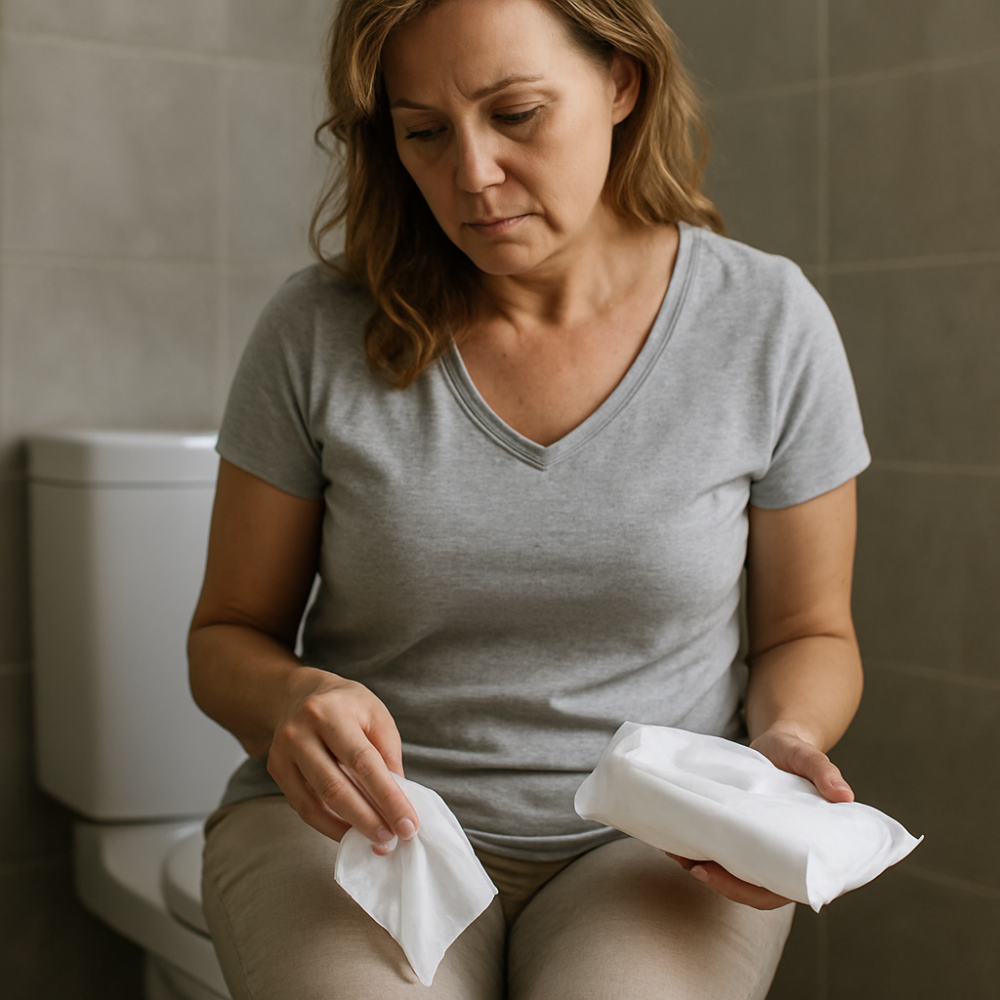
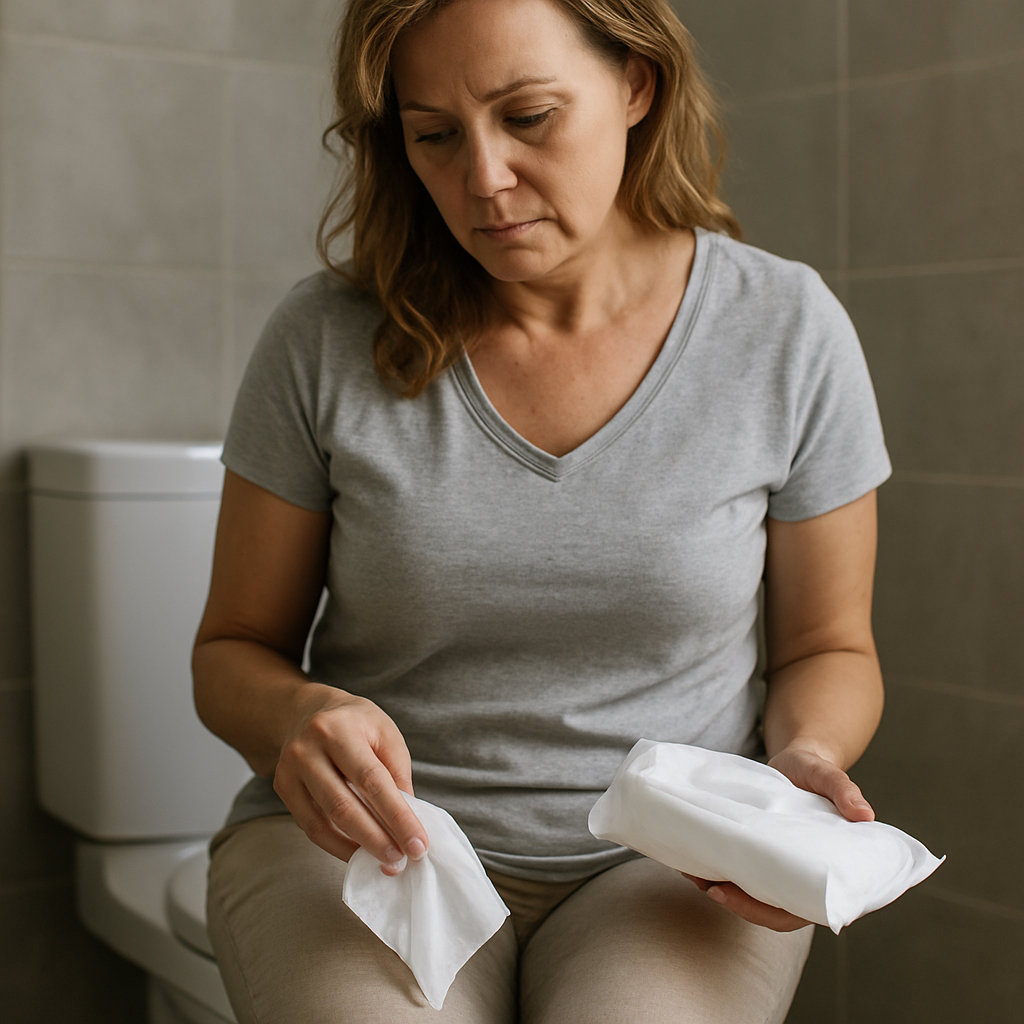
Hygiene wipes made for incontinence are specifically designed to support proper sanitation and personal comfort during periods of bladder leakage or when managing underwear and pad changes. For women, maintaining good hygiene is especially important, as the risk of irritation or infection can rise without regular, effective cleaning. Using fragrance-free, extra-large quilted wipes is a straightforward method to keep your skin clean, fresh, and supported throughout daily routines. These wipes are gentle yet thorough, making them a reliable solution for anyone seeking both convenience and protection in incontinence care.
Unlike regular toilet paper or generic wipes, these products focus on gentle cleansing for sensitive areas. They are often recommended for use after urination or bowel movements, and during menstruation, when extra care is required. Choosing the right hygiene wipes can reduce skin irritation and help you feel more confident in your self-care routine. Experts suggest looking for products that are dermatologically tested and soft, especially for women who use feminine pads or have sensitive skin.
Many of these adult wipes are available in flushable and non-flushable forms, allowing for use at home or on-the-go. Their extra-large size and thick quilted texture provide better coverage than standard wipes, making personal hygiene tasks quicker and more effective. Leading options in this category are available at online retailers such as Carewell and Walmart, offering both disposable and washable alternatives to fit different preferences.
Choosing the Right Personal Wipes for Everyday Use and Travel
Selecting quality hygiene wipes involves evaluating a few key features. First, the material should be soft and nonwoven, minimizing friction while maximizing absorbency. For women managing incontinence or menstruation, choosing a hypoallergenic and fragrance-free formula is essential for avoiding irritation during frequent use. Brands that clearly indicate features such as ‘intimate’, ‘flushable’, or ‘dermatologist-recommended’ should be prioritized, especially if your skin is sensitive or you are purchasing for periods of menstruation.
Portability is also an important concern. Travel-friendly packs of wipes allow for discreet hygiene maintenance while away from home. For instance, keeping a small refillable pouch in your toiletries kit makes it simple to manage sanitation for periods or incontinence during work, school, or trips. Consider choosing wipes that are individually wrapped to retain moisture and convenience on the go.
Eco-conscious consumers can find biodegradable options or wipes made from more sustainable nonwoven materials. These alternatives contribute to reduced environmental impact while still offering the ease and sanitation benefits expected. Before disposing of wipes, always check if they are labeled ‘flushable’ to prevent plumbing issues at home or in public restrooms.
Finally, always look for product reviews to assess reliability and satisfaction among other women users. Many online resources, such as forum discussions or product pages, provide genuine feedback and advice about which hygiene wipes perform best for various needs—including feminine pads, menstruation, or incontinence.
Daily Hygiene Practices for Managing Incontinence and Periods
Integrating hygiene wipes into your daily care routine is straightforward. Key times to use them include after each bathroom visit, after changing feminine pads during menstruation, or following any episode of incontinence. Wipes designed specifically for adults—such as those with soothing ingredients like aloe or vitamin E—can help protect and soothe your skin, making them preferable over baby wipes or household paper towels when dealing with more delicate situations.
To maintain optimal sanitation, always wipe from front to back, especially for women, to reduce the risk of spreading bacteria from the rectal area to the genitals. After wiping, gently pat the area dry with a clean towel or allow it to air dry before putting on new underwear or sanitary products. This small step supports overall vaginal health and comfort for women managing periods or regular incontinence.
Disposing of wipes correctly is another basic hygiene principle. Non-flushable wipes belong in a lined bin, while flushable options can be disposed of in the toilet if labeled accordingly. Creating a daily schedule or kit of supplies—such as wipes, fresh underwear, and sanitary pads—can streamline home and travel routines. Remember to wash hands thoroughly before and after every hygiene task.
Parents of tweens and teens, or caregivers for elderly females, can help encourage good hygiene habits by modeling correct use and explaining the importance of sanitation even as a basic quiz on daily bathroom routines. Empowering everyone in the household with knowledge and supplies enhances both confidence and well-being.
Popular Product Features: What to Look For in a Quality Washcloth or Wipe
Many hygiene wipes boast features such as extra thickness, quilted texture, and large surface area to ensure a more complete clean. Some offer added benefits like soothing botanicals or a pH-balanced formula, which are especially helpful for women prone to irritation during menstruation or those using feminine pads. Adult-specific wipes may feature resealable packaging, keeping them moist and ready for use.
- Extra-large size for better coverage and thorough cleansing
- Fragrance-free or hypoallergenic formula to minimize sensitivities
- Nonwoven material for strength and softness
- Flushable or eco-friendly wipes for easier disposal
- Infused with moisturizing or soothing ingredients (e.g., aloe, vitamin E)
- Resealable or individually wrapped packs for travel and home convenience
When shopping online, consider browsing reviews and details from trusted health retailers. For example, some popular Amazon listings offer detailed product specifications, user advice, and images. Prioritize brands that mention testing for intimate use, skin-friendliness, and absorbency.
A comparison between disposable and washable wipes can also guide your decision. Disposable wipes are excellent for quick, hygienic use, while washable cloths may appeal to those looking for eco solutions or items for domestic reuse.
Simple Solutions and Kit Organization for Everyday Hygiene
Compiling a basic hygiene kit ensures you are prepared for any situation, whether dealing with periods, travel, or unpredictable episodes of incontinence. Your kit can include hygiene wipes, a spare pair of underwear, feminine pads, and disposal bags. Store the kit in your handbag, backpack, or in a discrete location at home, making it simple to maintain personal hygiene wherever you are.
Some women find that organizing supplies in small pouches or using checklists helps them avoid forgetting essential items. Even simple storage tricks, like keeping spare wipes in your work desk or car, can help prevent hygiene lapses. Sanitary instructions provided with certain products may include further tips for use and storage, so be sure to review these when assembling your kit.
Educating family members, especially young females or tweens, on the use of wipes and other personal care objects empowers them to maintain independence and hygiene. Resources such as basic quizzes or educational wordwall activities can make learning these habits more engaging for younger individuals.
Preparedness is the key to stress-free hygiene management for women of all ages, supporting personal confidence and comfort day after day.
By selecting, storing, and using the right hygiene wipes for incontinence and daily sanitation, women can maintain healthier routines and enjoy peace of mind every day.