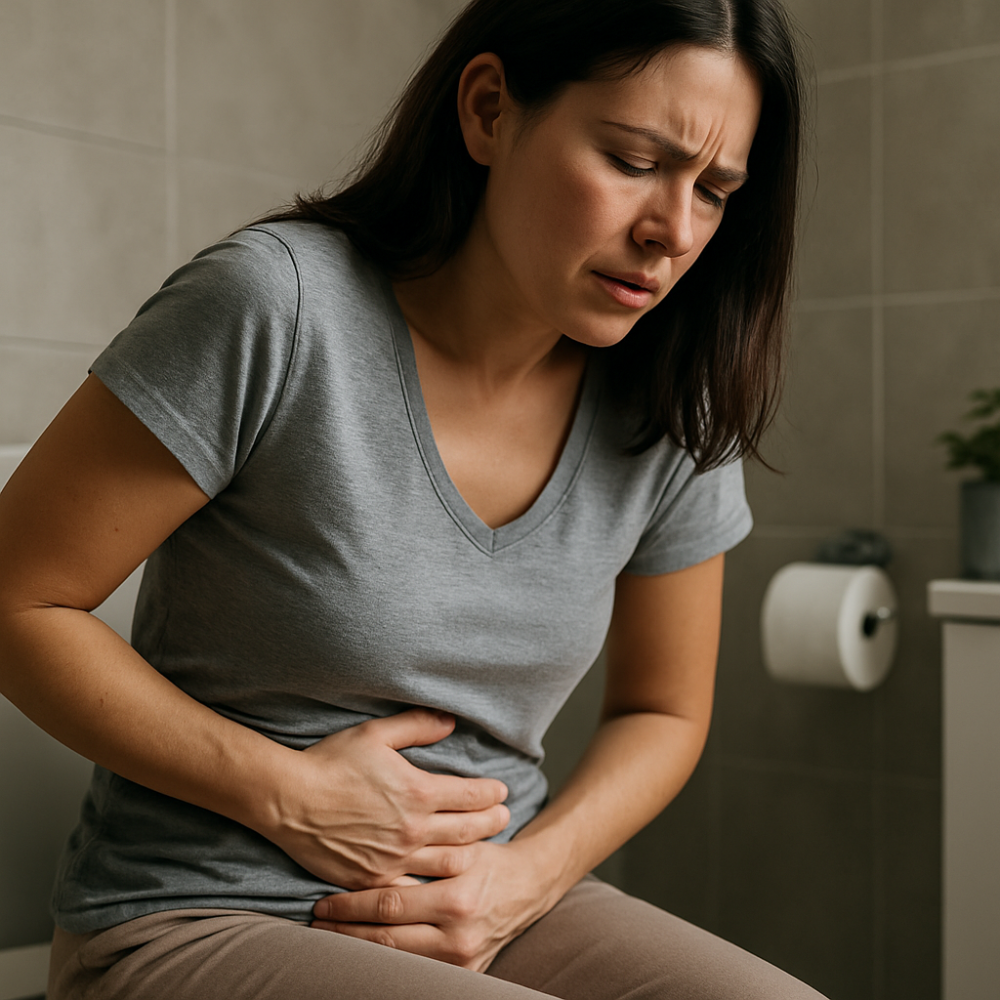
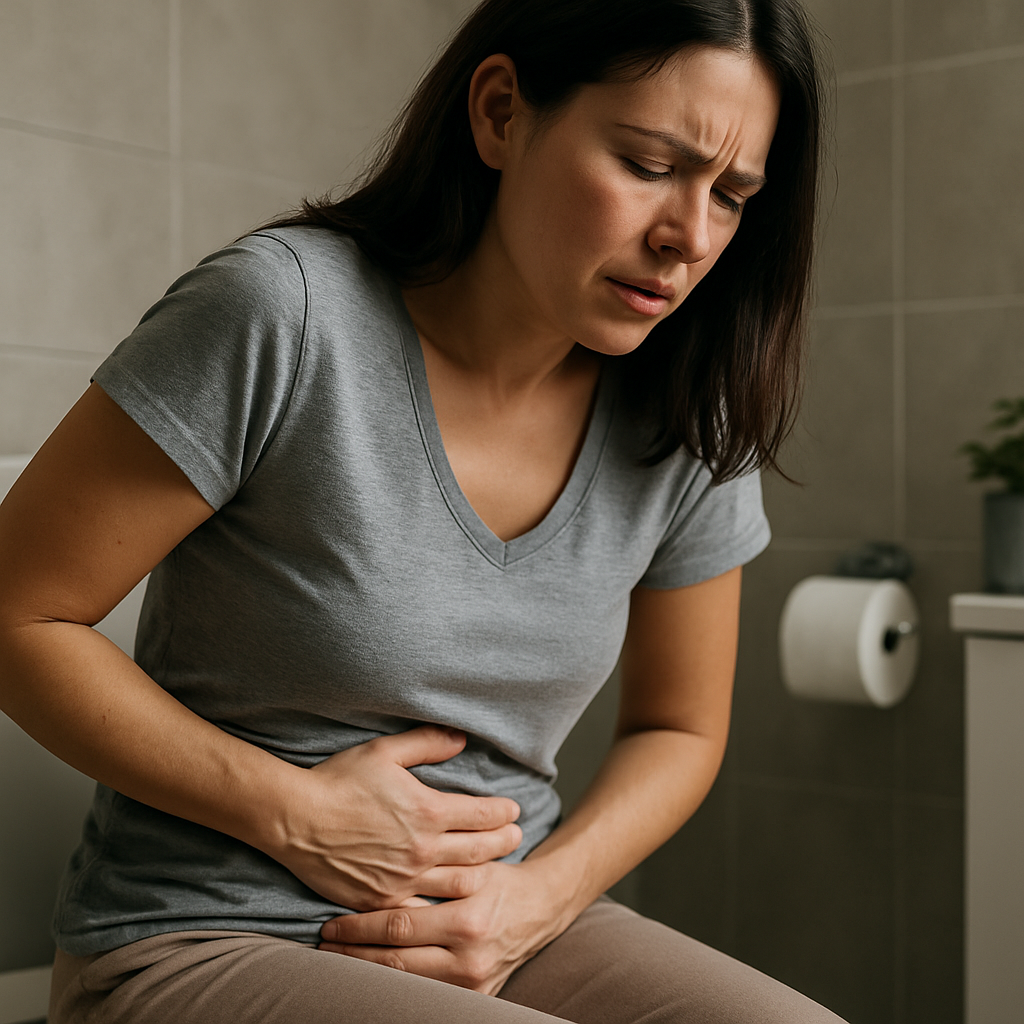
If you are experiencing left side gut pain, it is essential to understand that while common factors like gas, constipation, and irritable bowel syndrome (IBS) often cause discomfort, this type of pain can sometimes indicate more serious issues. Addressing symptoms quickly and appropriately greatly improves outcomes, especially when using natural remedies, addressing constipation, and understanding the root causes. This comprehensive guide covers major causes of pain on the left side of your abdomen, highlights warning signs, and provides holistic strategies for relief and prevention backed by clinical information from authoritative medical sources.
Understanding Left Abdominal Discomfort and Its Digestive Origins
Left-sided abdominal pain often arises from organs such as your stomach, colon, spleen, left kidney, or, in women, the ovary and fallopian tube. The pain may range from mild cramping to sharp, severe discomfort. Common digestive triggers include improper motility, excessive bloating, and dietary distress. According to Ubie Health, digestive factors remain the most frequent source of pain localized on the left side of the abdomen.
Some conditions, such as constipation or irritable bowel syndrome, generally present as dull or spasmodic discomfort and may improve with lifestyle changes. However, if your pain is severe, sudden, persistent, or accompanied by symptoms like fever, vomiting, or faintness, you should seek prompt medical attention to rule out emergencies like diverticulitis, kidney infections, or pancreatitis.
Dietary habits, gut microbiome imbalances, and dehydration are often implicated in recurring symptoms. Simple remedies such as increasing fiber intake, consuming ginger or clove teas, and embracing fermented foods can gently enhance digestion and potentially help balance gut flora.
Constipation: Recognizing and Easing Bowel Discomfort
Constipation produces a dull, aching sensation most commonly on the left side, paired with feelings of fullness or bloating. Causes include dehydration, diets low in dietary fiber, and sedentary routines, which can all affect gut motility. Increasing your water consumption and choosing a fiber-rich diet are first-line approaches to relieving these symptoms and restoring normal rhythm.
Natural remedies, such as clove tea or gentle movement, can stimulate bowel function and reduce mild discomfort. Probiotics, including those found in fermented foods, may occasionally aid in long-term digestive health and regularity. Many over-the-counter laxatives promise fast relief, but use them carefully; overuse can worsen motility and create dependency.
For individuals with irritable bowel syndrome, a methodical approach to dietary triggers, stress management, and hydration is often effective. Always consult your healthcare provider before beginning new supplements, tea blends, or natural treatments for gut health.
When Gas, Bloating, and Inflammation Cause Left-Sided Pain
Gas and bloating can mimic the sensation of a flare-up in the left abdomen. You may notice crampy pain that shifts or subsides after passing gas or a bowel movement. Swallowed air, high-fiber diets, and underlying issues like small intestinal bacterial overgrowth all contribute to excess gas formation and subsequent discomfort.
Acute inflammation, as seen with gastritis or mild colitis, will sometimes localize pain to one side. Symptoms may resolve with simple dietary adjustments or natural anti-inflammatory ingredients such as ginger. For many, leaky gut or poor digestive motility could be aggravators; supportive therapies like probiotic supplementation and sour foods may offer symptomatic improvement.
It is important to differentiate benign causes from those that are urgent. Obstructive symptoms, such as severe swelling, inability to pass stool, or vomiting, should be taken seriously. Refer to the guidance at Mandaya Hospital Group for more detailed descriptions of warning signs.
Serious Underlying Conditions: Know the Signs and Seek Help Promptly
While most left side gut pain is not dangerous, certain conditions demand prompt and sometimes emergency attention. These include:
- Diverticulitis: Presents with sharp pain and often fever or nausea.
- Kidney stones or infection: May cause radiating flank pain, blood in urine, or fever.
- Splenic problems: Enlargement or rupture, especially if linked to trauma or infection.
- Gynecological emergencies: Ectopic pregnancy or ovarian torsion in women can localize pain intensely to the left lower quadrant.
If you notice any of these situations or if pain persists beyond several days, grows in severity, or is accompanied by systemic symptoms, seek immediate medical attention.
Occasionally, acid reflux, or GERD, produces atypical upper abdominal pain that can radiate leftward. Recognizing these atypical presentations prevents missed or delayed diagnoses.
Rapid identification and management are essential for optimal recovery and to prevent complications in emergency scenarios. If you are pregnant, elderly, or immunocompromised, maintaining awareness is especially important.
Natural Remedies and Lifestyle Adjustments for Lasting Gut Health
Preventing and relieving left side gut pain typically involves a blend of dietary and lifestyle strategies. Among the most effective approaches:
- Increasing fiber through whole foods supports bowel motility and regularity.
- Staying well hydrated with water and herbal teas, such as ginger or clove, soothes digestive distress.
- Regular gentle exercise, such as walking or yoga, can improve digestion and reduce constipation flare ups.
- Incorporating fermented foods helps restore balance in the gut microbiome, potentially reducing inflammation.
- Natural anti-inflammatories like ginger may be useful for mild gastritis or colitis symptoms.
Adopt any new interventions thoughtfully to avoid sudden shifts in digestive rhythms. If traditional methods do not provide relief or if symptoms escalate, consult a professional for tailored diagnostics and treatment recommendations.
With increased body awareness, thoughtful nutrition, and a proactive approach to emerging symptoms, many people achieve significant improvement in left-sided abdominal comfort and overall digestive health.