Understanding Discomfort on the Dorsal Foot
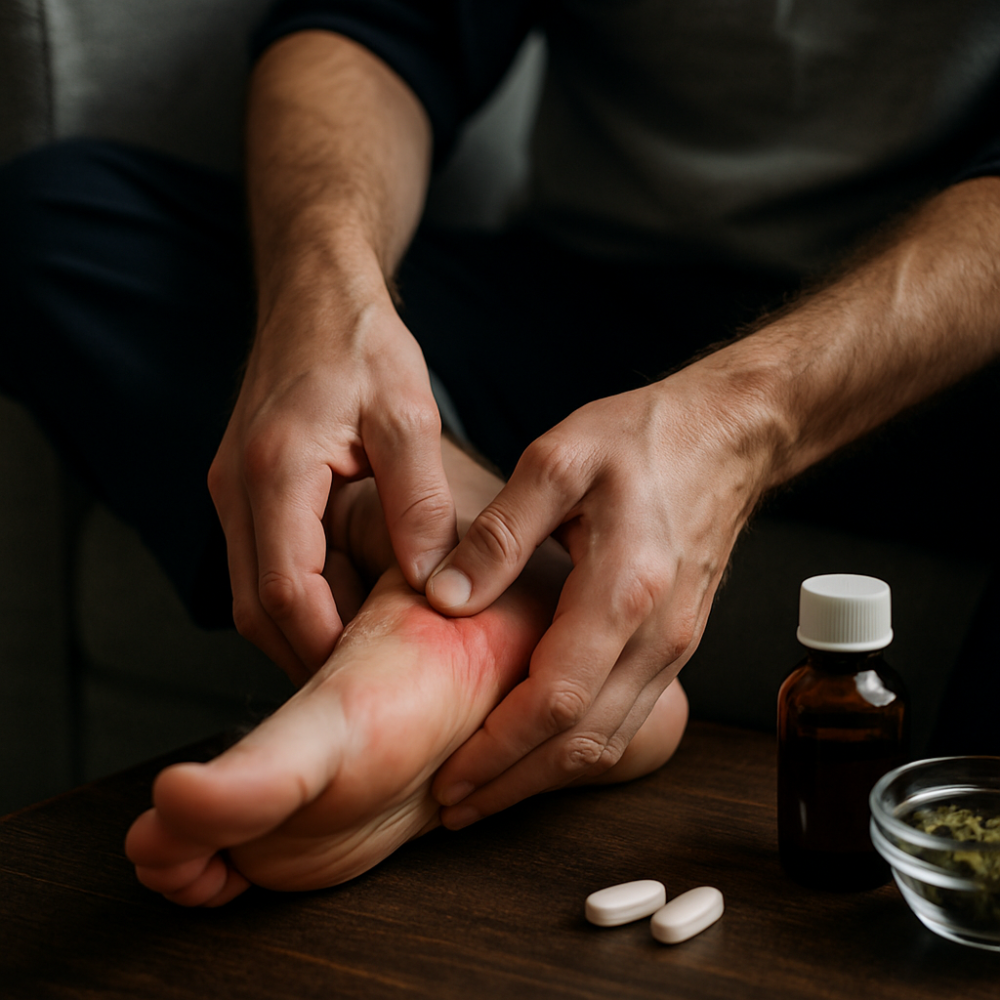
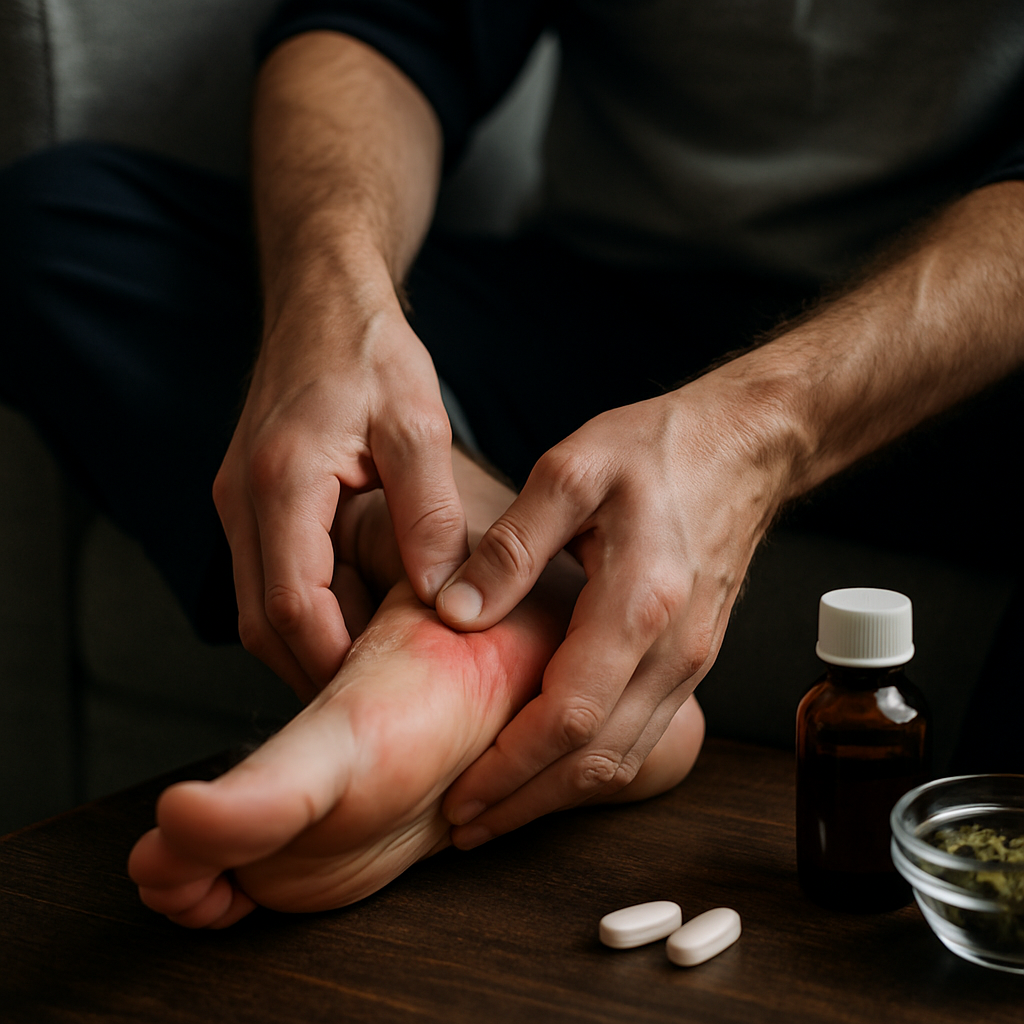
If you are feeling pain on the top of your foot, it can disrupt walking, exercise, and even daily comfort in shoes. This symptom often stems from several possible causes, ranging from temporary overuse injuries to underlying joint or nerve conditions. The presence or absence of swelling may point towards different diagnoses, such as tendon inflammation versus stress fractures or nerve irritation. Knowing the likely source of your pain and how to address it is critical to rapid relief, effective self-care, and understanding when professional treatment is necessary (source).
Common Mechanisms Leading to Top of Foot Pain
Several biological and mechanical processes can generate discomfort across the top of the foot. The most frequent culprits include issues with the extensor tendons, stress on the small foot bones, and irritation of nerves or joints. Tight shoes or improper footwear that put additional pressure on this region can exacerbate or even trigger pain episodes, especially for those who stand or walk extensively.
Athletes and individuals with recent increases in activity level should consider overuse injuries like extensor tendonitis—a condition that can result from repeated stress, poor shoe lacing, or abrupt changes in routine. Swelling that accompanies pain on the dorsal aspect of the foot suggests a possible fracture, severe sprain, or an inflammatory joint disease such as arthritis or gout (reference). Recognizing these triggers can inform both prevention and targeted care strategies.
Underlying conditions like degenerative arthritis or nerve entrapment may develop gradually, resulting in intermittent or persistent discomfort. These are often worsened by age, previous injuries, or chronic foot stress. Tailoring treatment requires careful assessment to distinguish between such chronic issues and acute accidents, like rolling an ankle or suffering a fall at work or during athletic activity.
Key Conditions: Gout, Tendon Inflammation, and Bone Stress Injuries
Gout is a frequent culprit when pain strikes suddenly and with intensity, especially at the base of the big toe or across the midfoot. This type of arthritic joint pain results from uric acid crystal deposition in the joints. Sudden gout attacks cause swelling, redness, and warmth, making even light contact with fabric or the floor intensely uncomfortable.
Extensor tendonitis typically presents as aching, tender pain along the top of the foot that worsens with activity, such as walking or running. Notably, overly tight laces or shoes contribute to tendon irritation. If swelling is present and pain remains intense with weight-bearing, bone injuries like stress fractures or Lisfranc injuries become more likely. These require prompt professional evaluation to avoid long-term joint or mobility problems (see further).
While less common, nerve compression syndromes—sometimes caused by trauma or anatomical variation—may produce burning or tingling sensations, as opposed to just aching pain. Infections can also present as rapidly worsening pain and visible swelling and demand immediate medical attention.
Tarsal coalition, a congenital fusion of bones in the foot, may present as chronic aching and decreased flexibility in adolescents or young adults. Each of these causes may require distinct diagnostic tests, including X-rays or bloodwork, to confirm and guide therapy.
Self-Care Strategies for Relief and Recovery
The first step in self-care involves limiting or ceasing activities that provoke pain. Reduce walking or standing for prolonged periods, and avoid footwear that places pressure on the affected spot. Application of ice to the top of the foot for 15-20 minutes several times per day helps alleviate inflammation and can aid recovery after minor sprains, tendonitis, or overuse injuries. Combining rest with stretching and gentle strengthening exercises can also encourage tissue repair over time.
If you suspect inflammation or mild tendon pain, nonsteroidal anti-inflammatory drugs (NSAIDs) may reduce symptoms, but these should be used with caution after discussing appropriate dosing with a health provider. Orthotic inserts, donut cushions, or supportive shoes can help redistribute pressure and offer comfort, particularly when sole tenderness or uneven gait develops.
For those seeking more natural approaches, herbal remedies that reduce inflammation—such as turmeric or ginger—might offer mild benefit, though robust clinical evidence is still developing. Some individuals use cold packs, K taping, or dietary adjustments to further moderate symptoms. Regardless of preference, avoid applying heat or massage if a fracture or severe sprain is suspected.
When to Seek Professional Assessment
Persistent pain, marked swelling, redness, or inability to bear weight all merit prompt evaluation by a foot specialist. Symptoms that worsen over time, produce numbness, or occur after trauma are signals that more targeted interventions may be necessary. A thorough exam, imaging, or lab tests may be required to distinguish fractures, advanced arthritic changes, or infectious processes.
Consultation benefits those experiencing joint stiffness in the morning, welling after activity, and ongoing discomfort that fails to resolve after a week of home treatment. Early intervention for complex injuries—especially in athletes or those with metabolic disorders like gout—can help prevent future complications and speed up the return to exercise or daily activity. Chronic conditions may benefit from physical therapy and ongoing lifestyle modifications for best outcomes.
Prevention, Footwear, and Long-term Joint Health
Maintaining joint health in the feet relies on proactive prevention and informed choices in footwear. Regularly replace shoes before the soles and uppers wear down, and choose models that support your arches and distribute weight evenly. In sports or work environments with increased walking or load-bearing, consider cushioned orthotics or insoles for extra shock absorption.
Warm up properly before exercise and gradually increase the intensity of physical activity to avoid overuse injuries. Regular stretching and range-of-motion exercises help maintain flexibility of both small joints and supporting tendons. Monitoring foot hygiene, avoiding excessively tight socks or laces, and treating underlying metabolic conditions help support foot and joint health as well as reduce the risk of flares in conditions like gout.
Adopting an anti-inflammatory diet, staying hydrated, and optimizing overall wellness may also contribute to fewer episodes of joint or tendon pain. For those with a history of injuries, ongoing check-ins with a podiatrist or physical therapist can be especially valuable for maintaining long-term comfort and function.
Understanding and addressing pain on the top of your foot can help you make decisions that support both immediate comfort and long-term joint health.