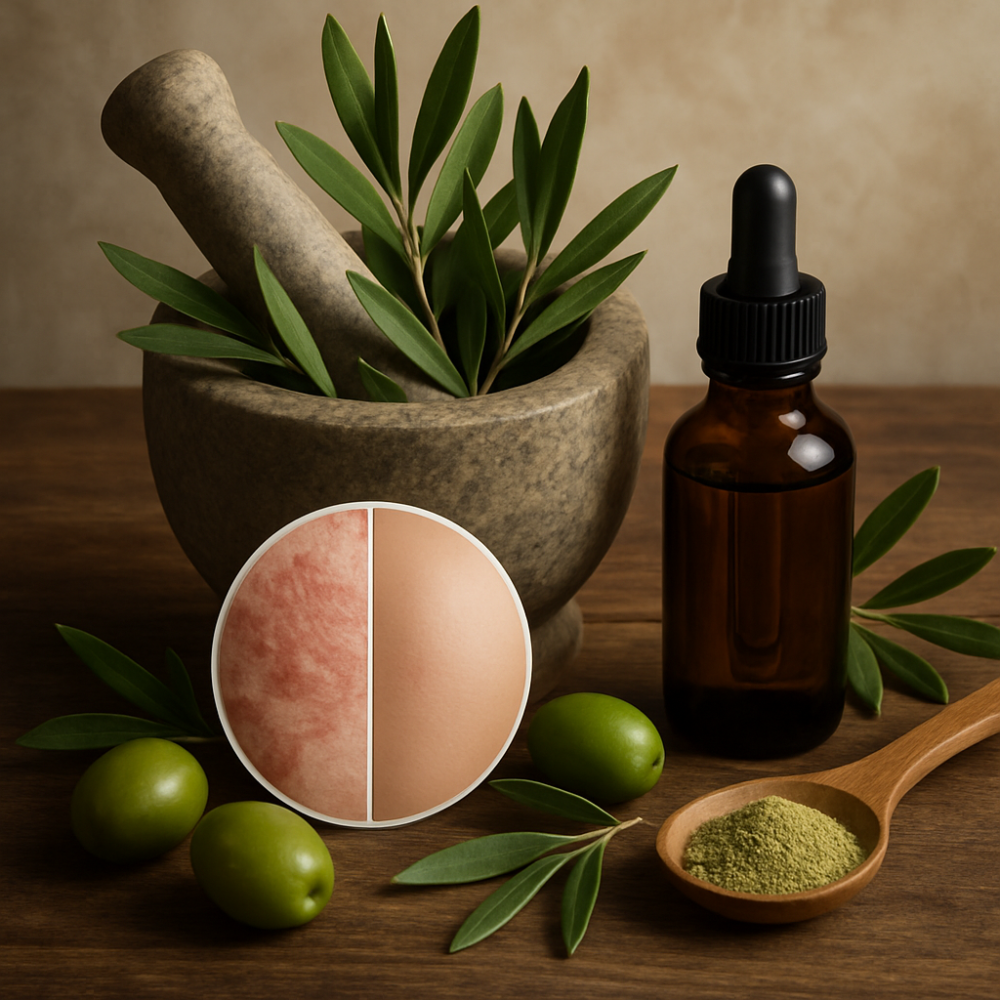
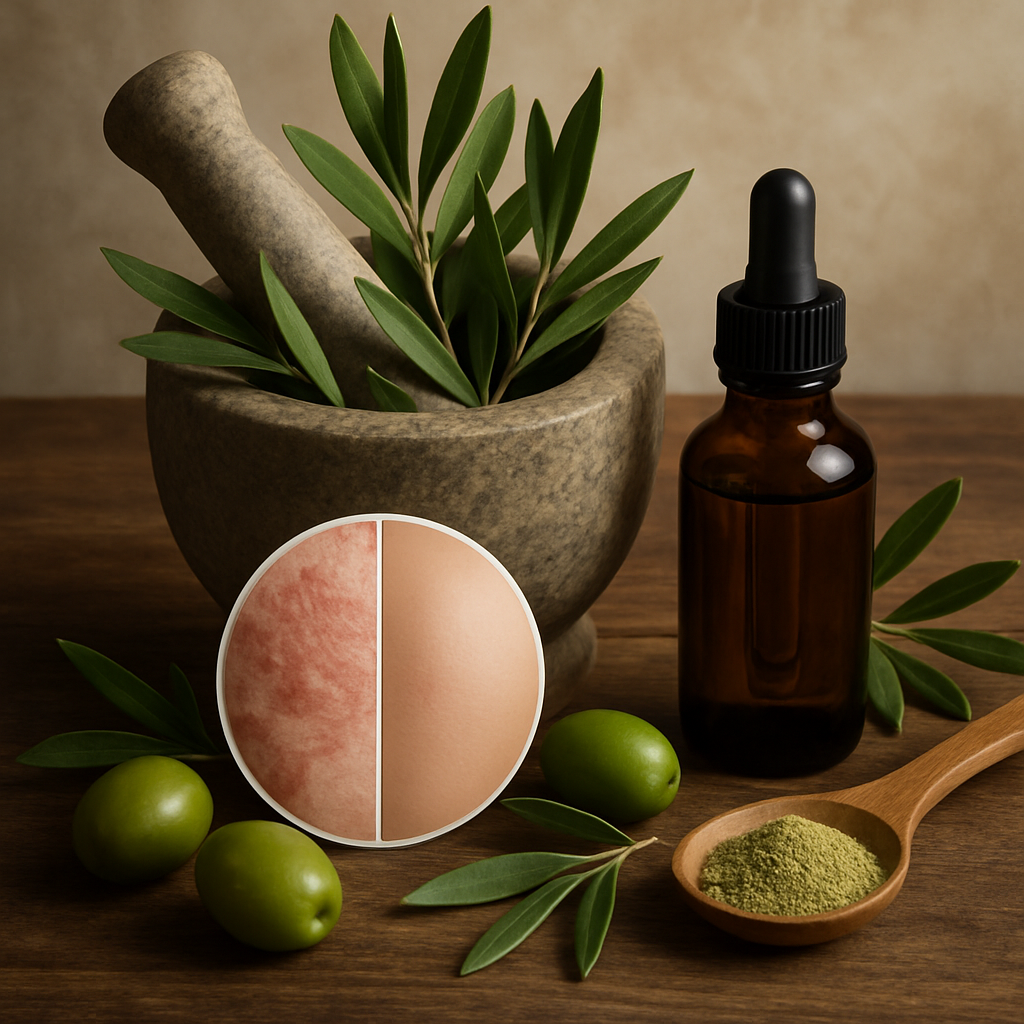
Olive leaf extract offers a promising natural solution for improving skin health, including support for eczema-prone skin, enhancements in skin appearance before and after consistent use, and easy ways to incorporate the extract into your daily routine. Thanks to its bioactive compounds like oleuropein and polyphenols, olive leaf extract brings both protective and restorative benefits to the skin’s surface. Whether you are interested in targeting pigmentation, soothing irritation, or learning how to use the extract for visible results, this guide delivers research-backed answers up front and actionable details throughout.
Antioxidant and Anti-Inflammatory Support for Skin Appearance
One of the standout features of olive leaf extract is its high concentration of antioxidants, especially polyphenols and oleuropein. These natural compounds help defend skin cells from oxidative stress caused by environmental exposure and aging. By neutralizing free radicals, they may reduce the visible signs of premature aging and maintain skin elasticity.
In addition to combating oxidative damage, oleuropein demonstrates significant anti-inflammatory effects. This is of practical importance for individuals with redness, chronic irritation, or post-acne scarring. Researchers have connected the Mediterranean diet’s benefits with lowered rates of skin-related issues, partly due to olive leaf’s potent phytochemicals (WebMD).
For those seeking before-and-after transformation, regular application or oral use of olive leaf extract may produce a brighter, smoother complexion over time. Visible improvements are often linked to both its antioxidant defense and its ability to calm inflamed tissues beneath the surface.
Managing Eczema, Pigmentation, and Fungal Skin Issues
Olive leaf extract demonstrates positive effects for eczema management, thanks to its anti-inflammatory, antimicrobial, and barrier-repairing properties. Scientific studies show that olive leaf’s polyphenols help restore the skin’s natural protective layer, making it less prone to flare-ups and persistent dryness.
Its antimicrobial action—supported by both in vitro research and historical topical use—helps reduce colonization of bacteria, fungi, and viruses on the skin. Individuals dealing with pigmentation changes or fungal problems may find relief as the extract inhibits abnormal microbial growth without disrupting healthy flora (PubMed).
For pigmentation specifically, olive leaf’s anti-inflammatory properties can help fade blemishes and improve skin tone regularity. As inflammation decreases, areas of hyperpigmentation often become less noticeable, especially with ongoing extract usage.
Visible Before and After Results: What to Expect
Many people are interested in the real-world, visible improvements that olive leaf extract can provide for their skin. Common before and after changes reported include reduced redness, improved smoothness, and diminished signs of irritation or scaling caused by eczema. Ongoing use often results in healthier skin texture and more even pigmentation.
These improvements are not instantaneous. Most users notice gradual changes over several weeks as the skin regenerates and accumulates the extract’s protective benefits. The best outcomes are usually achieved when olive leaf is used alongside a balanced skincare regimen and healthy lifestyle habits.
Clinical studies continue to evaluate the magnitude of these changes, with preliminary results supporting consumer observations of reduced inflammatory lesions and improved skin barrier function following topical or oral supplementation of olive leaf extract.
How to Use Olive Leaf Extract for Maximum Skin Benefits
Olive leaf extract can be integrated into skincare routines through various formats: topical creams, tinctures, capsules, and even as an ingredient in homemade masks. Topical application is ideal for targeting specific problem areas, while oral supplementation supports whole-body antioxidant defense that can also benefit skin from within.
To use the extract safely, choose standardized products containing a high percentage of oleuropein and follow dosage guidelines provided by reputable brands or healthcare professionals. Most people start with daily topical use or an oral dose around 500 mg per day, adjusting as needed for effectiveness and skin sensitivity (Examine).
It is important to perform a patch test before first-time topical use, as some individuals may be sensitive to potent botanical extracts. Consistency is key—noticeable results typically appear after several weeks of ongoing use.
Potential Side Effects and Cautions for Sensitive Skin
Olive leaf extract is considered safe for most users when applied topically or taken orally within recommended doses. However, as with any potent botanical, possible side effects include mild itching, redness, or irritation, especially if used in high concentrations or on very sensitive skin.
Those with known allergies to olive products should consult with a dermatologist before beginning a regimen that includes olive leaf extract. Individuals on certain medications for blood pressure or diabetes should seek medical guidance due to olive leaf’s metabolic effects.
Monitoring for uncommon reactions and using reputable, tested products helps minimize risks. Those who experience persistent discomfort should discontinue use and consult with a healthcare provider to determine the best course of action.
Olive leaf extract, when used correctly, can support skin health by reducing inflammation, soothing irritation, and improving overall skin appearance for a natural, research-supported boost.