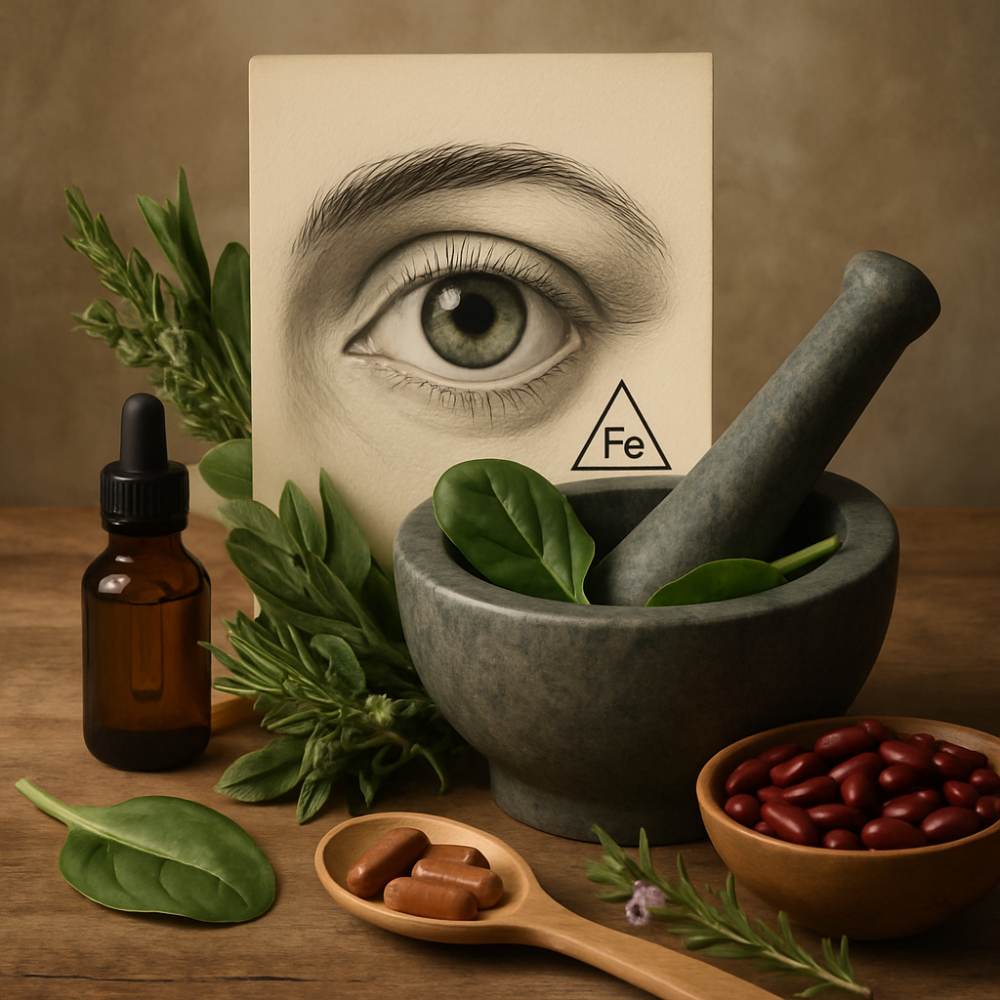
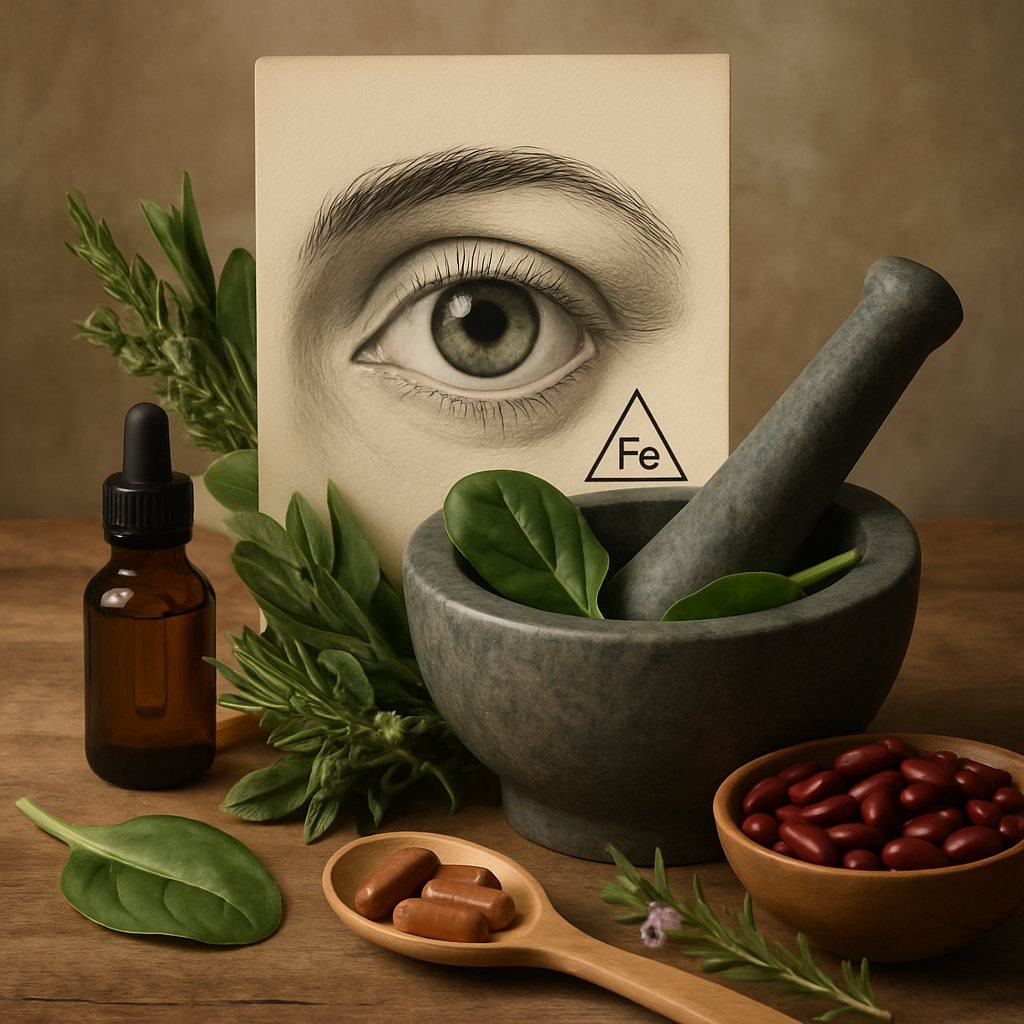
If you are curious about how to check your iron levels at home, there are a few practical steps and observations you can make before getting a professional blood test. While no home method fully replaces medical testing, paying attention to certain signs—such as changes in the eyes and general symptoms—can prompt you to seek appropriate care. Understanding the normal ranges of iron in blood and recognizing the limitations of at-home checks will help you make informed decisions about your health.
Recognizing Physical Signs That Suggest Low Iron
Common signs of iron deficiency can often be noticed in the body’s visible features, particularly the eyes and skin. For example, if you pull down your lower eyelid, the inner lining should appear a healthy pink. Pale or nearly white coloring may indicate low iron, suggesting less hemoglobin and less oxygen carried by your blood.
Other visual changes, such as pale or yellowish skin, can also point to iron-deficiency anemia. You might notice brittle nails or hair loss, which frequently appear in chronic iron deficiency. Always remember, though, that these signs can also result from other conditions, so they are not diagnostic on their own.
If you observe any of these features alongside feeling persistently tired, weak, or short of breath, it is a signal to consider seeking laboratory testing. Paying close attention to your body’s cues can guide you toward the next step—confirming any suspicions with a healthcare provider.
Home Approaches: Monitoring Symptoms and Daily Habits
Although there is no approved do-it-yourself iron blood test without a kit, you can monitor patterns in your well-being and lifestyle that signal potential deficiencies. Frequently feeling fatigued despite enough sleep or noticing rapid heartbeat after minor activities may be early clues. Recording what you eat daily can also highlight if your diet lacks iron-rich foods, such as lean meats, beans, spinach, or fortified cereals.
Assessing your risk factors helps as well. Women of childbearing age, vegetarians, or those with heavy periods may be particularly susceptible to iron deficiency. If you have a family history of anemia or certain gastrointestinal diseases, keeping track of your energy levels and overall health at home is valuable until you can access professional care.
Adjustments in your diet or iron intake should only be made after discussing with a healthcare provider, especially since iron supplements can have side effects if taken unnecessarily. At-home symptom tracking is a powerful tool, but clinical testing remains critical for accurate results.
If you remain concerned, several at-home finger-prick blood tests for iron and ferritin are now sold at major retailers such as CVS and Walgreens. While convenient, positive or negative findings from these kits should always be validated by your healthcare provider since interpretation and follow-up are essential.
Understanding Normal Iron Ranges and Blood Levels
The reference ranges for iron and ferritin in your blood provide a benchmark for diagnosing iron-deficiency anemia. For adults, a normal serum iron level is between 10 and 30 micromoles per liter (umol/L), while ferritin—a protein that reflects iron stores—should range from 40 to 300 micrograms per liter for men and 20 to 200 for women (NHLBI, NIH).
Low blood iron is defined as a value under 10 umol/L in both men and women. Ferritin below 10 micrograms per liter suggests that your iron stores are depleted (NHLBI, NIH). Most home tests available from pharmacies will provide your result along with the particular reference range used by their lab, marked by “L” for low or “H” for high values (Cleveland Clinic).
Because labs and test kits may use slightly different reference numbers, checking that your results fall within these general boundaries is helpful to understand your status. If you find your numbers outside the typical range, contact your provider for further evaluation and treatment options.
It is important to remember that iron results are only part of the picture. Hemoglobin and other markers—such as those found on a complete blood count (CBC)—also help build a comprehensive diagnosis and are best reviewed by clinicians.
Tracking your iron values over time, especially when making diet or supplement changes, can give a clearer perspective on your health trends. If you opt to use a home blood test kit, always review the result with a healthcare professional for next steps.
When to Seek Professional Blood Testing
If symptoms and at-home clues point to possible iron deficiency, getting a laboratory blood test is the most accurate and definitive way to measure your body’s iron status. Medical providers may order tests measuring your serum iron, ferritin, and sometimes total iron-binding capacity (TIBC) or transferrin saturation.
Professional testing is vital if you have symptoms such as shortness of breath, persistent fatigue, rapid heartbeat, or if you’re in a group at higher risk for anemia, such as pregnant women, those with chronic diseases, or vegetarians. These blood tests are available in clinics and hospitals, and may sometimes be ordered following an at-home test result that suggests a deficiency.
Your healthcare provider will not only interpret your numbers but also explore the underlying cause of low iron, such as bleeding, poor absorption, or dietary gaps (Cleveland Clinic). Only after identifying the root of low iron will they recommend safe and effective treatment options.
While home monitoring through symptoms and dietary records is helpful, it should never substitute for periodic medical screening, especially if you have known risk factors or symptoms of anemia.
Ultimately, alignment between your home observations and clinical results gives the most complete picture of your iron health. Prompt attention to unexpected symptoms or abnormal test results leads to faster, more successful management and treatment.
Optimizing Your Iron—Diet, Supplements, and Safety
Once a deficiency is confirmed, improving your iron status usually begins with dietary changes. Prioritize iron-rich foods like lean red meats, seafood, lentils, tofu, pumpkin seeds, and spinach. Eating these with vitamin C-rich foods (like citrus fruits or bell peppers) can further boost absorption.
For some people, supplements may be necessary, especially if diet alone does not correct low iron or if absorption is impaired. The common dose found over-the-counter is 325 mg of ferrous sulfate, but this should only be taken under medical direction to avoid risks of stomach pain, constipation, or iron overload.
Both men and women benefit from reaching appropriate blood iron and ferritin levels for energy, immune support, and cognitive function (NHLBI, NIH). However, over-supplementation is unsafe—so proper diagnosis is always the first step.
Monitor your personal improvements by repeating test kits as recommended or through follow-up lab testing. Adjusting diet and supplements based on results, symptoms, and provider guidance is the safest route to restoring optimal iron balance.
By combining careful home observation with strategic use of point-of-care tests or professional lab testing, you can take proactive steps in avoiding or addressing iron deficiency while maximizing your long-term wellbeing.