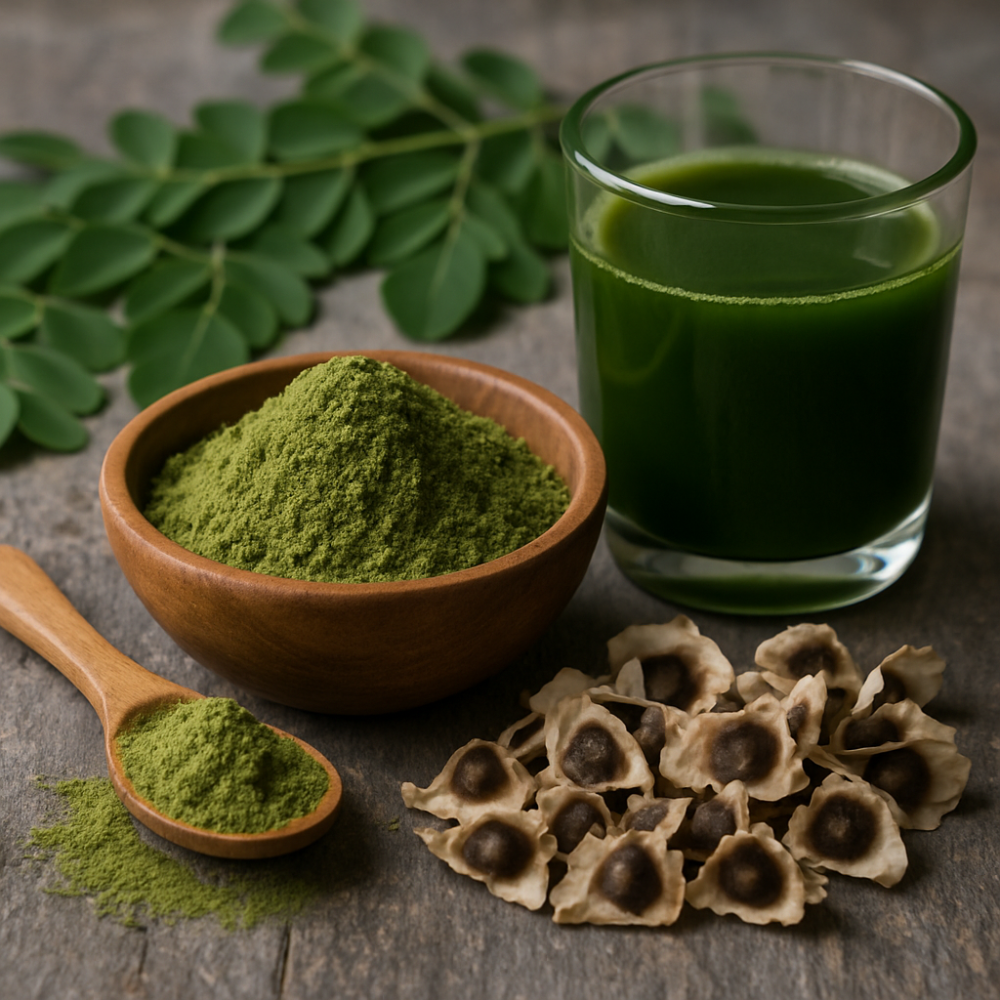
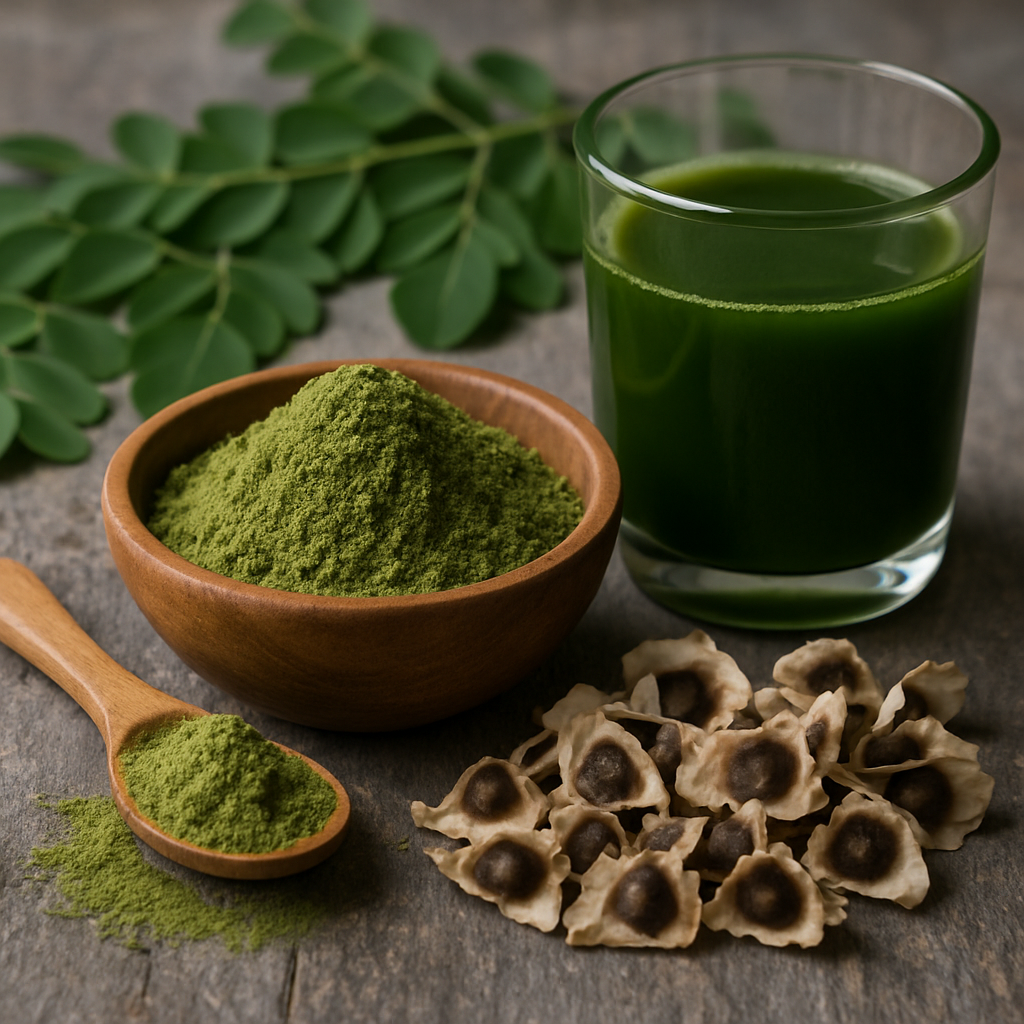
Moringa oleifera, widely recognized as the ‘miracle tree,’ is grown and utilized for its broad array of nutritional and medicinal qualities. Immediate interest in moringa uses and benefits centers on its bark, seeds, and leaves, known for supporting health through vital nutrients and natural plant compounds. People primarily turn to moringa for its ability to help lower blood sugar and cholesterol levels, boost energy, and provide antioxidants, although research into these effects is ongoing. Understanding what moringa can offer in terms of health and nutrition helps you make informed choices about using its bark, seeds, and other components as food or supplement. [WebMD]
Key Nutrients Present in Moringa Seeds and Bark
The seeds and bark of the moringa tree are packed with valuable nutrients. Moringa seeds contain healthy fats, proteins, calcium, iron, and vitamins A and C, supporting energy metabolism and immunity. The bark itself, while less commonly eaten, is used in traditional practices; it’s high in minerals and phytochemicals that may contribute to moringa’s anti-inflammatory properties.
Consuming moringa in forms such as powders, capsules, teas, or directly from fresh sticks and seeds can deliver these nutrients. Supplements should always be sourced from reputable brands for best results and to minimize contamination risks. In addition, moringa bark provides natural gum and resin, sometimes used as botanical remedies or for their soothing effects.
Research indicates that regular intake of moringa leaf or seed products can help bridge nutritional gaps, especially in regions where dietary deficiencies are common. Athletes and individuals seeking to improve their wellness routines may consider moringa seed oil or bark infusions for additional nutrients.
Despite these potential advantages, the U.S. FDA has not evaluated moringa supplements for safety or efficacy, so it is advised that users exercise caution and consult with a healthcare provider before integrating moringa bark or seed into dietary routines.
Medicinal Properties of Moringa: Root, Bark, and Seed Applications
Moringa’s roots, bark, and seeds are all valued parts of the plant in traditional medication. For centuries, moringa bark benefits have included relief for inflammation, gum problems, and some skin conditions, while the seeds are often crushed to extract oil for topical and dietary purposes. Moringa’s root, used much like its bark, contains compounds that show medicinal potential, though they also have toxic risks and must be consumed with caution.
The seeds, especially, are popular for their anticancer activity and support for digestive health. Some evidence suggests that moringa components could eventually be used as adjunct therapies for various chronic conditions, though more research is needed to establish safety and effectiveness in humans.
Ayurvedic and folk medicine systems often prepare moringa with other botanicals like ashwagandha and rosemary, combining seed and bark infusions for their therapeutical synergy. However, self-medicating with large amounts of bark or root is not recommended, as both may interact with certain medications or cause side effects, especially for pregnant women or those with underlying health conditions.
Health Benefits: Lowering Blood Sugar and Cholesterol
One of the main researched moringa uses is its potential to help manage blood sugar and cholesterol levels, mainly through its rich blend of antioxidants and plant sterols. People with diabetes or high cholesterol may consume moringa leaf, bark, or seed powder as a natural aid, though more comprehensive clinical studies are required to confirm these effects.
The antioxidants present in moringa, including quercetin and chlorogenic acid, may contribute to reduced oxidative stress and support heart health. Small trials and lab studies have associated regular moringa supplementation with better glycemic control and less LDL cholesterol in some populations.
- Adding moringa seed or powder to foods, such as sabji, paratha, smoothies, or tonics, is a traditional dietary practice, particularly in India and parts of Africa.
- People seeking to lower cholesterol may benefit from infusions made from moringa bark or leaves.
Despite these encouraging findings, medical professionals caution individuals to continue prescribed treatments and to only supplement under guidance. As with all botanicals, moringa should not replace standard medical care.
Potential Side Effects, Precautions, and Interactions
While moringa products are widely available and generally well-tolerated, adverse effects are still possible. Consuming the bark or root, especially in large quantities, may lead to digestive upset, fatigue, or potential toxicities. Pregnant women are typically advised to avoid moringa bark and root due to potential uterine-stimulating substances. Interactions with medications for thyroid, blood pressure, and blood sugar should also be considered.
It is essential to consult with a healthcare provider before starting moringa supplements, particularly for people taking prescription drugs, those with chronic illnesses, or those who are pregnant or breastfeeding. Choosing certified products, such as powders or capsules from trusted suppliers, minimizes risk of contamination or adulteration.
Consumers are encouraged to check ingredient sources carefully and monitor for any adverse reactions, especially when first incorporating moringa into the diet. Always discuss the use of moringa gum, stick, or seed with a healthcare provider if you have questions about its interactions or appropriateness for your circumstances.
Moringa is not a cure-all, and relying solely on traditional remedies or supplements in place of professional medical advice is discouraged. Medical authorities emphasize that scientific validation through controlled studies is still needed.
Nutritional Uses in Food and Traditional Recipes
Moringa is a staple in many culinary traditions, appearing in dishes such as sabji, sattu, paratha, and various pickles. The leaves, seeds, flowers, and sometimes bark are added to food or drinks for their nutrients and health benefits. Moringa podi and infusion preparations are used in Ayurveda and in home remedies for boosting vitality and immunity.
Consuming fresh moringa leaves, sticks, resin, or gum as part of your meals is considered safe for most people and may help increase key vitamins and minerals in the daily diet. Some cultures add moringa seeds to dal, chutney, or as a garnish for their distinctive flavor and texture.
When using moringa bark or resin in home remedies, it is best to follow established recipes and traditional dosage guidelines. Commercial products containing moringa may also include blends with other botanicals, such as neem or ashwagandha, tailored for specific health outcomes.
Nutritionists recommend starting with low doses of moringa products to assess individual tolerance and consulting labels or professional advice for preparation methods.
For more detailed research and ongoing studies, reference resources like PubMed, Healthline, and WebMD, all of which offer updated information about moringa’s safety profile and ongoing medical investigations.
Understanding the wide spectrum of moringa tree bark, seed, and root benefits empowers consumers to use this potential superfood safely and effectively in everyday nutrition and wellness routines.