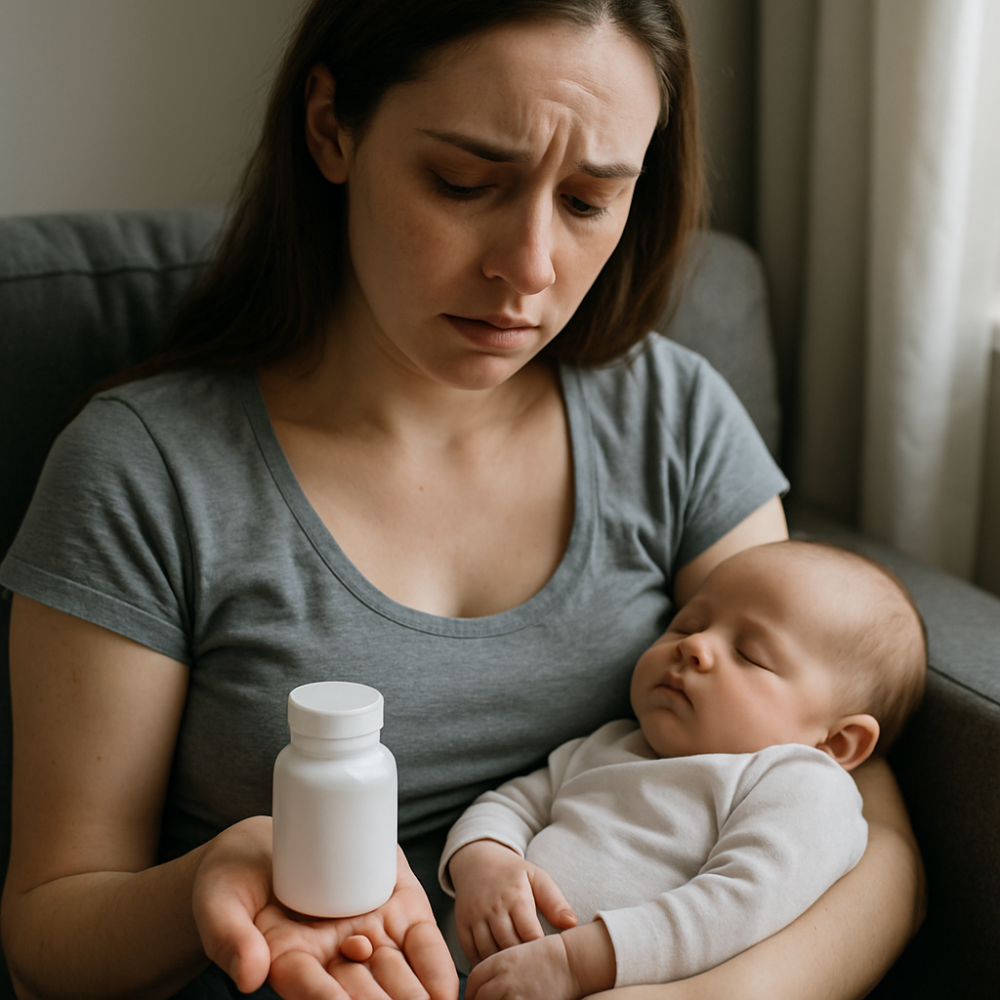
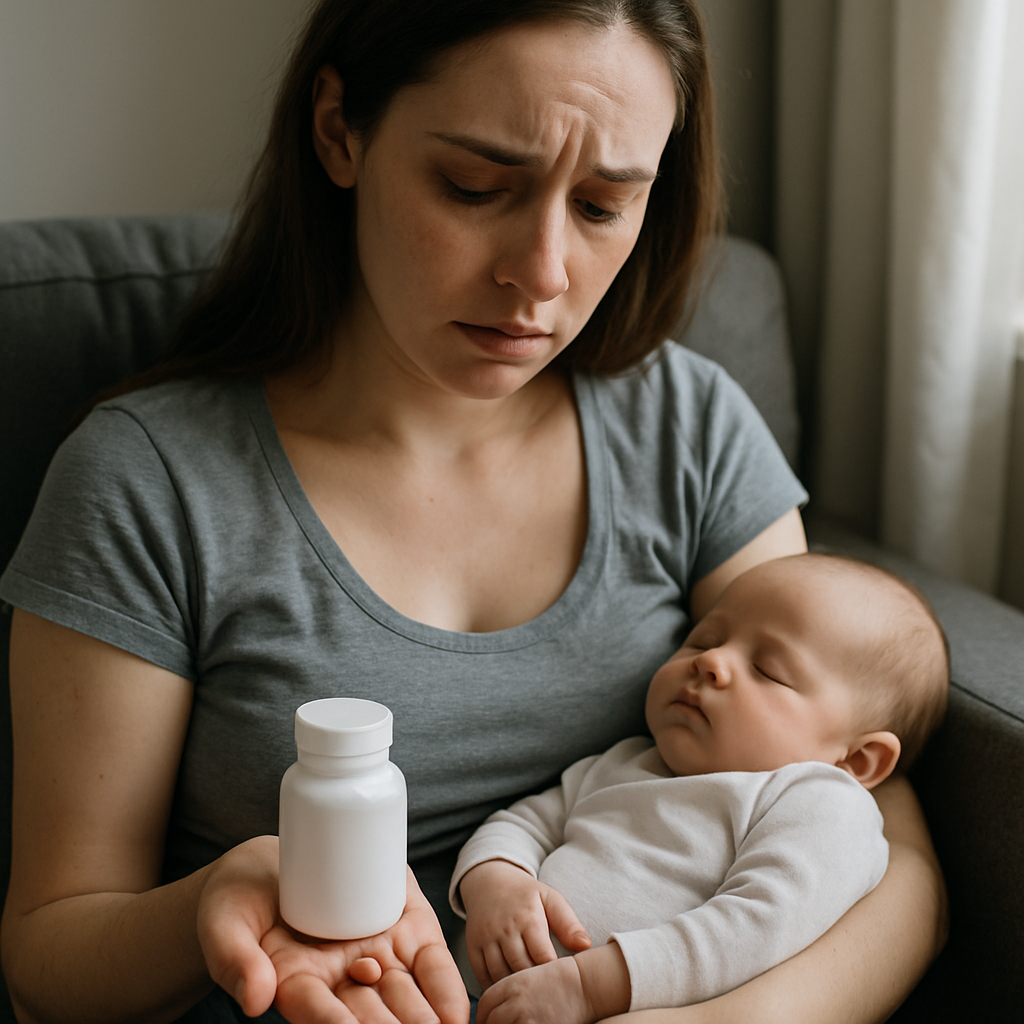
Iron deficiency post pregnancy is a widespread condition, often overlooked but potentially serious, especially when accompanied by symptoms of anemia and other subtle manifestations. After childbirth, your body may begin with already diminished iron reserves, particularly if you experienced heavy bleeding during delivery or carried multiple pregnancies close together. For many new mothers, low iron can persist for six to twelve months, affecting your energy levels, cognitive performance, and even mood. Proactive management—regular monitoring, dietary adjustments, and sometimes medical intervention—is key to ensuring a healthy postpartum recovery and safeguarding overall well-being (source).
The Connection Between Childbirth, Iron Deficiency, and Anemia
During pregnancy, your need for iron increases due to blood volume expansion and fetal development. Substantial blood loss during childbirth further reduces iron stores, setting the stage for post pregnancy anemia. This anemia can present through overt symptoms like fatigue or be less obvious, sometimes detectable only through laboratory findings such as chlorosis or microcytic changes.
Hospital guidelines, including those informed by ACOG and evidence-based studies, now emphasize postpartum evaluation for iron deficiency in at-risk mothers. Early detection and management are crucial for preventing long-term complications and ensuring recovery aligns with physiological demands.
Sustained low iron levels can contribute to ongoing weakness and impaired cognitive function—symptoms that may be misattributed to the typical adaptations of early motherhood. Recognizing these symptoms early is vital, especially for those with risk factors such as a history of anemia, significant postpartum hemorrhage, or dietary restrictions.
Why Iron Deficiency Can Manifest in Subtle Ways After Birth
Some women develop unique symptoms related to depleted iron reserves that are not immediately recognized as being tied to anemia. These subtle manifestations include restless legs, sensitivity to cold, and even changes in hair or skin. In rare cases, specific findings like koilonychia (spoon-shaped nails) or recurring headaches can provide further clues.
Postpartum iron deficiency also influences mental health, potentially promoting feelings of dissociation, irritability, and even depressive states. These effects often overlap with common postpartum changes, making diagnosis more challenging. Elevated erythropoietin levels may initially mask declining hemoglobin until stores are deeply depleted, which underscores the importance of early intervention (reference).
If these symptoms are present, healthcare providers may rely on a combination of laboratory diagnostics, symptom assessment, and personal history to identify and address anemia.
Dietary Factors: The Roles of Spinach, Lemon, and Pepper
Nutritional strategies play a significant role in postpartum recovery. Incorporating leafy greens like spinach, vitamin C-rich sources such as lemon, and pepper (which can aid iron absorption) can be beneficial. These foods help replenish iron reserves and enhance the bio-availability of non-heme iron found in plant sources, making dietary planning a powerful adjunct to medical therapy.
It is important to note that while diet helps, some cases require supplementation or intravenous therapy—especially when absorption issues related to conditions like achlorhydria are present. Collaboration with a registered dietitian or healthcare professional ensures dietary interventions align with individual biochemical and cultural needs.
Food variety, timing, and synergy between nutrients—such as pairing iron-rich foods with vitamin C—are proven to improve outcomes in post pregnancy anemia. Keeping meals regular and focusing on dietary diversity can provide support for early recovery and sustained well-being.
Understanding Laboratory Markers and Histology
Diagnosing iron deficiency following childbirth relies on a set of specific laboratory markers. Key indicators include a drop in serum ferritin, reduced transferrin saturation, and sometimes elevated erythropoietin. Such markers are essential for discerning between simple iron depletion and true anemia.
Histological findings in severe or prolonged iron deficiency might reveal anomalies, including dacrocytes or microcytosis. These changes highlight the need for both early detection and sustained management well into the first year after delivery.
Timely communication between patient and provider, proper interpretation of labs, and individualized care plans are vital components of effective postpartum management. Understanding these tests and what they mean empowers mothers to participate actively in their own recovery process.
If postpartum mothers notice symptoms or have a known risk profile for anemia, your healthcare provider may recommend serial testing to ensure progress is being made toward optimal iron levels and resolution of anemia signs.
Managing and Preventing Iron Deficiency: Lifestyle, Support, and Follow-Up
Regular follow-up appointments are essential for monitoring recovery, especially if you experienced heavy bleeding during delivery. These visits allow for continual assessment of iron status and support timely intervention if deficiencies persist.
- Support networks—both medical and personal—play a foundational role. This includes routine check-ins with your provider, access to nutritional resources, and open communication about symptoms.
- Lifestyle adjustments, such as balanced meal planning and making time for self-care, can further aid recovery.
- Addressing comorbidities like hypertension or underlying chronic illness magnifies the importance of a comprehensive approach.
Simple strategies, such as choosing iron-fortified foods or supplementing when prescribed, can yield significant improvements. For some, integrating holistic practices—mindfulness, regular sleep, and consistent hydration—may also help ease the manifestations of anemia.
Prioritizing postpartum health is not just about the immediate aftermath of delivery—it is an investment in long-term vitality for both you and your growing family.
Proper awareness and proactive management of iron deficiency post pregnancy enable new mothers to improve quality of life and safeguard against ongoing anemia manifestations.