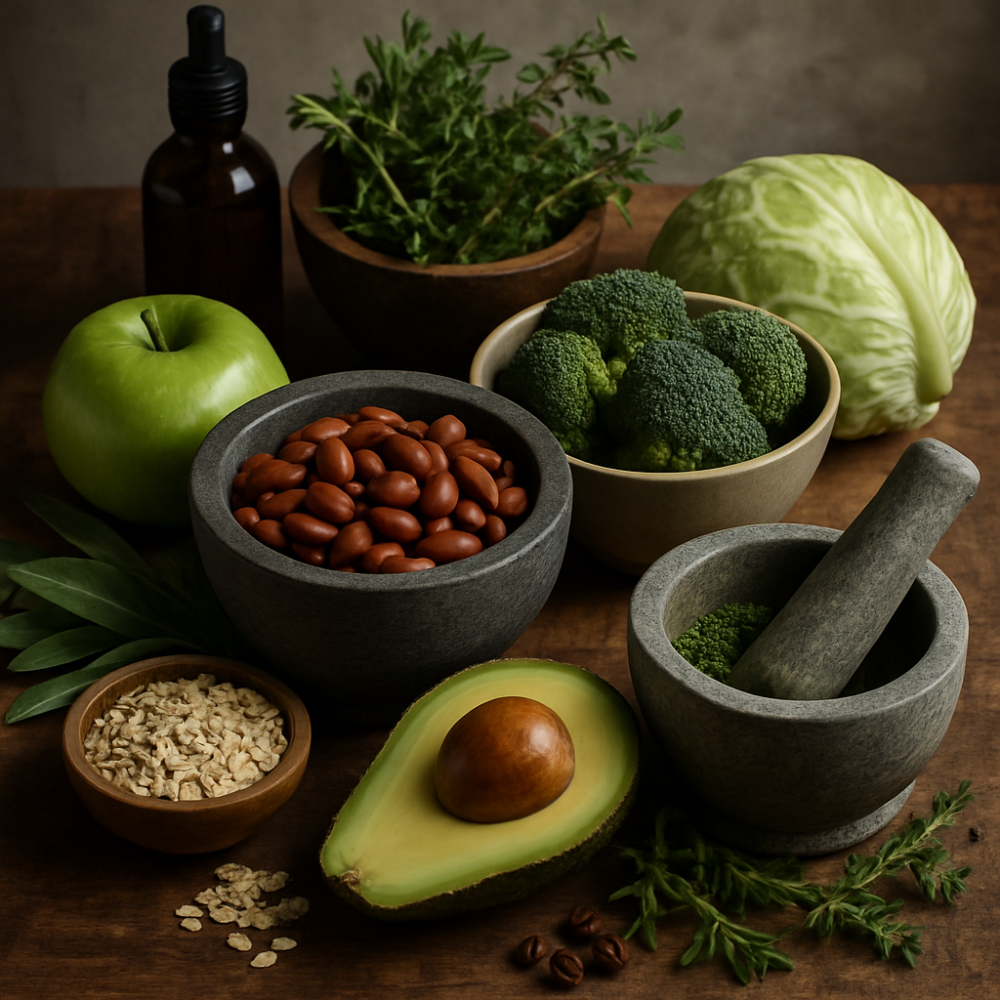
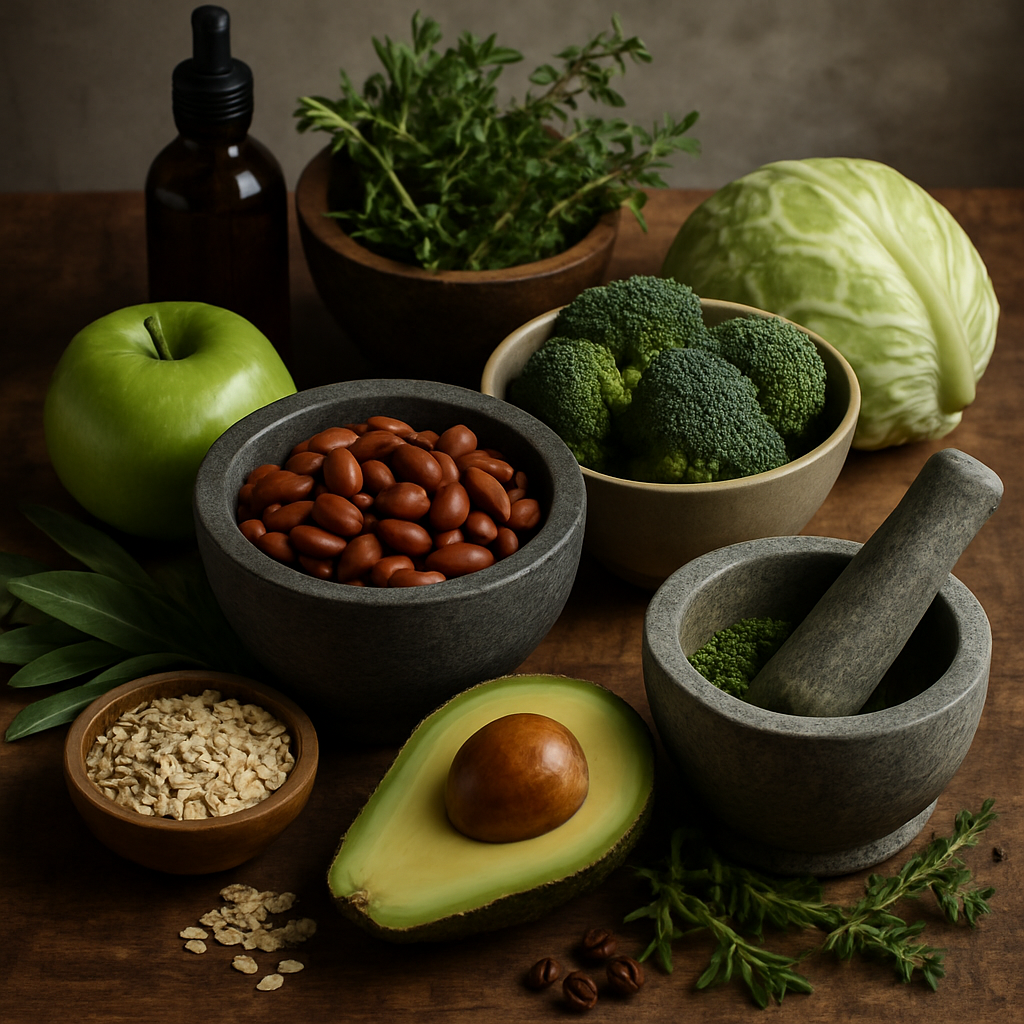
If you suffer from acid reflux, choosing the right high fiber foods can provide much-needed relief and support your overall gut health. Dietary fiber not only helps in regulating digestion and alleviating bloating, but it may also improve symptoms linked to conditions like IBS (Irritable Bowel Syndrome) and support the health of your gastrointestinal tract. In addition, high fiber foods can enhance satiety, help maintain a balanced gut microbiome, and reduce the occurrence of acid reflux symptoms. This article will guide you through essential considerations when adding fiber-rich foods to your diet, their impact on abdominal discomfort, and how they play a role in managing bloating and IBS.
Understanding Gastrointestinal Function and Dietary Fiber
The human gut is a complex system that digests and absorbs nutrients, while protecting against infection and maintaining a balanced gut environment. Consuming high fiber foods such as fruits, vegetables, whole grains, legumes, and nuts can promote regularity and support the beneficial bacteria in the digestive tract. According to experts, normal gastrointestinal function is marked by the absence of active disease or symptoms that impact quality of life[source].
Fiber supports gut health by feeding healthy bacteria and helping prevent the overgrowth of disease-linked microbes. Many studies suggest that regular fiber intake lowers one’s likelihood of experiencing chronic bloating or flare ups associated with IBS. [source]
Individuals with acid reflux often experience symptoms like heartburn, regurgitation, and discomfort in the upper abdomen. High fiber diets, if implemented progressively, may help in reducing acid reflux episodes by promoting timely gastric emptying and bulk formation in stools, which can reduce upward pressure on the stomach.
Gut Health Benefits: Beyond Acid Reflux Relief
Supporting gut health involves more than just managing acid reflux. A fiber-rich diet has been shown to:
- Enhance the diversity and resilience of the gut microbiome
- Reduce the risk of chronic gastrointestinal issues, such as constipation or IBS flare ups
- Decrease instances of bloating and gas by supporting regular bowel movements
Fiber helps maintain the natural function of the gastrointestinal tract, making symptoms of reflux and abdominal discomfort less severe or frequent. For those who experience intermittent gut symptoms, dietary fiber can act as an adjunct to other therapies and lifestyle changes.
Food sources that are particularly beneficial include whole grains like oats and brown rice, fibrous vegetables like broccoli and carrots, and legumes such as lentils and chickpeas. These foods supply a mix of soluble and insoluble fiber, both of which assist in keeping things moving through the gut while preventing spikes in stomach acid production.
It is important, however, to increase fiber gradually and drink adequate fluids to prevent additional bloating. Some individuals may notice that certain types of fiber, especially from beans or cruciferous vegetables, temporarily increase gas or mild discomfort before the gut adapts.
Bloating, IBS, and The Role of Fiber-Rich Foods
Many people with IBS or recurring bloating symptoms are surprised to find that dietary fiber can be both a remedy and, in rare cases, a trigger. Soluble fibers – found in foods like oats, apples, and carrots – are gentler on the gut and may soothe IBS symptoms, whereas insoluble fiber (wheat bran, whole grains) can sometimes be irritating if added too quickly or in large amounts.
It is advisable for those with sensitive stomachs to start with low-FODMAP, fiber-rich foods – such as certain berries, zucchini, or rice – before experimenting with higher fiber content.
To manage both acid reflux and IBS symptoms, it is useful to keep a food diary and observe which fiber sources work best. Monitoring for bloating or changes in gas can help identify digestively compatible high fiber foods for your unique situation.
Avoiding excessive intake of high-fat foods or highly processed snacks, which can worsen both reflux and IBS, can help maximize the benefits of fiber. Instead, focus on introducing plants, whole grains, and legumes in measured quantities alongside routine meals.
Integrating Probiotics and Other Dietary Interventions
Emerging research recognizes the role of probiotics in conjunction with fiber for a healthier gut. The synergy between prebiotic fibers (non-digestible fibers that nourish gut bacteria) and beneficial microbes supports gastrointestinal balance. While high fiber foods already boost gut bacteria, pairing them with fermented foods like yogurt or kefir may amplify their effect[source].
Though reliable tests for gut health remain limited, dieticians suggest observing response to fiber and probiotics over several weeks. If symptoms like upper abdominal pain or significant bloating occur, adjustment in food choices or consultation with a gastroenterologist may be necessary.
Notably, focusing on naturally high fiber foods is generally preferred over fiber supplements, as foods contain a variety of phytonutrients, vitamins, and minerals beneficial for overall gastrointestinal function.
By gradually adding fiber and monitoring symptoms, you can optimize gut health, reduce reflux episodes, and better manage associated abdominal discomfort or IBS signs. Always tailor your choices to your unique needs for the best, symptom-free digestive health experience.