Feeling constantly tired or running low on energy? The fastest, most natural way to boost energy and stamina is to choose the right foods at every meal. The best energy foods—including whole grains, fruits, vegetables, legumes, nuts, and a mix of protein sources—can stabilize blood sugar, prevent energy crashes, and help you stay focused and active all day. Whether you want energy foods for athletes, children, women over 40, or need a quick fix after feeling sick or tired, these top choices give your body the fuel it requires to recover, concentrate, and stay alert without relying on caffeine or supplements.
The Science Behind Energy Foods: How They Help When You’re Tired and Need Strength
What gives you the most energy isn’t just calories—it’s the quality and type of food you eat. Complex carbohydrates, high-protein options, and energy-dense fruits are among the top sources that naturally maintain blood sugar and keep you going throughout the day. Research confirms that eating foods with a low glycemic index—like oats, lentils, and non-starchy vegetables—provides sustained energy, while processed foods can lead to quick energy crashes and fatigue (source).
For women’s health, especially over 40, and for people battling low energy due to lack of sleep or illness, building meals around these energy foods can help restore stamina following fever, diarrhea, or other conditions that sap vitality. Kids and adults alike perform better at school or work when their diet supports healthy energy metabolism. The right choices help you focus, improve alertness, and recover more quickly after feeling unwell.
Unlike sugary snacks or stimulants, energy foods nourish your body by gradually releasing glucose into your blood, avoiding high/low spikes. Protein-rich foods—like eggs, yogurts, beans, or nuts—support muscle rebuild and increase energy capacity, especially important after physical exertion or illness.
Top 10 Energy Foods for Quick and Lasting Power at Home or On the Go
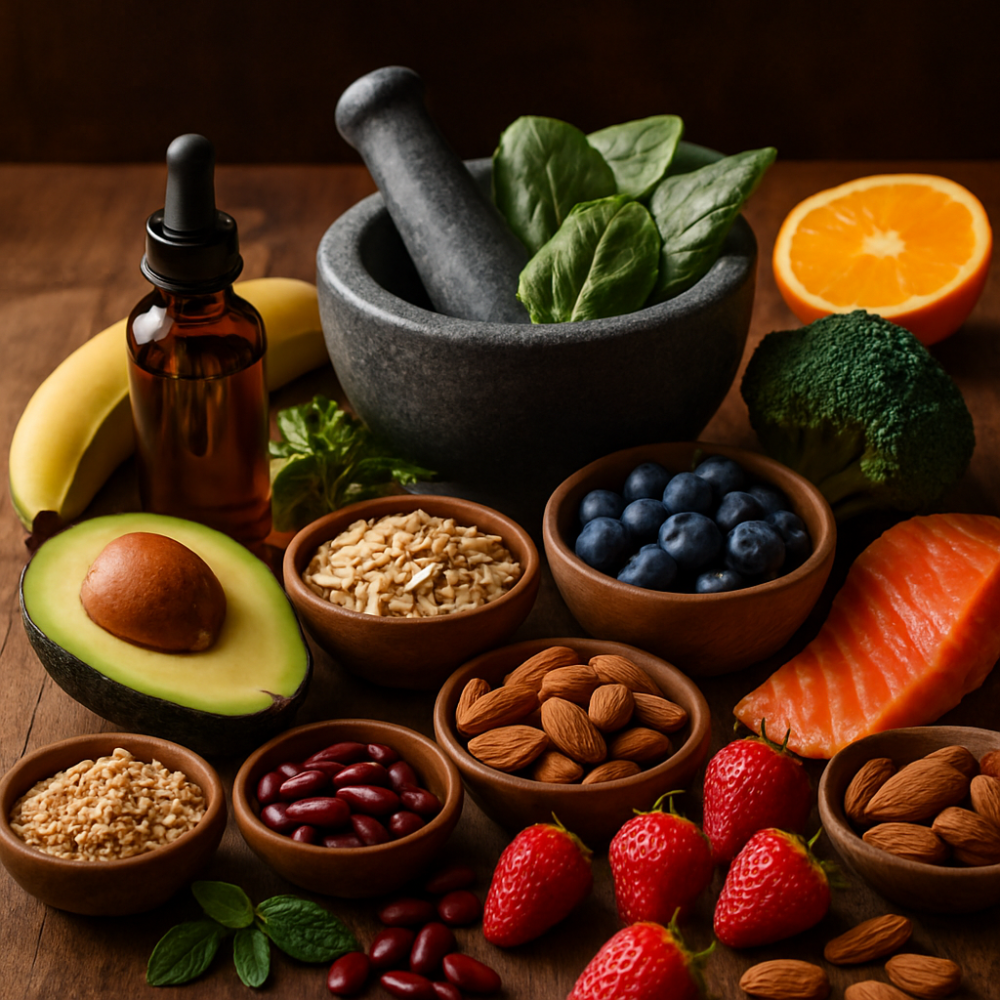
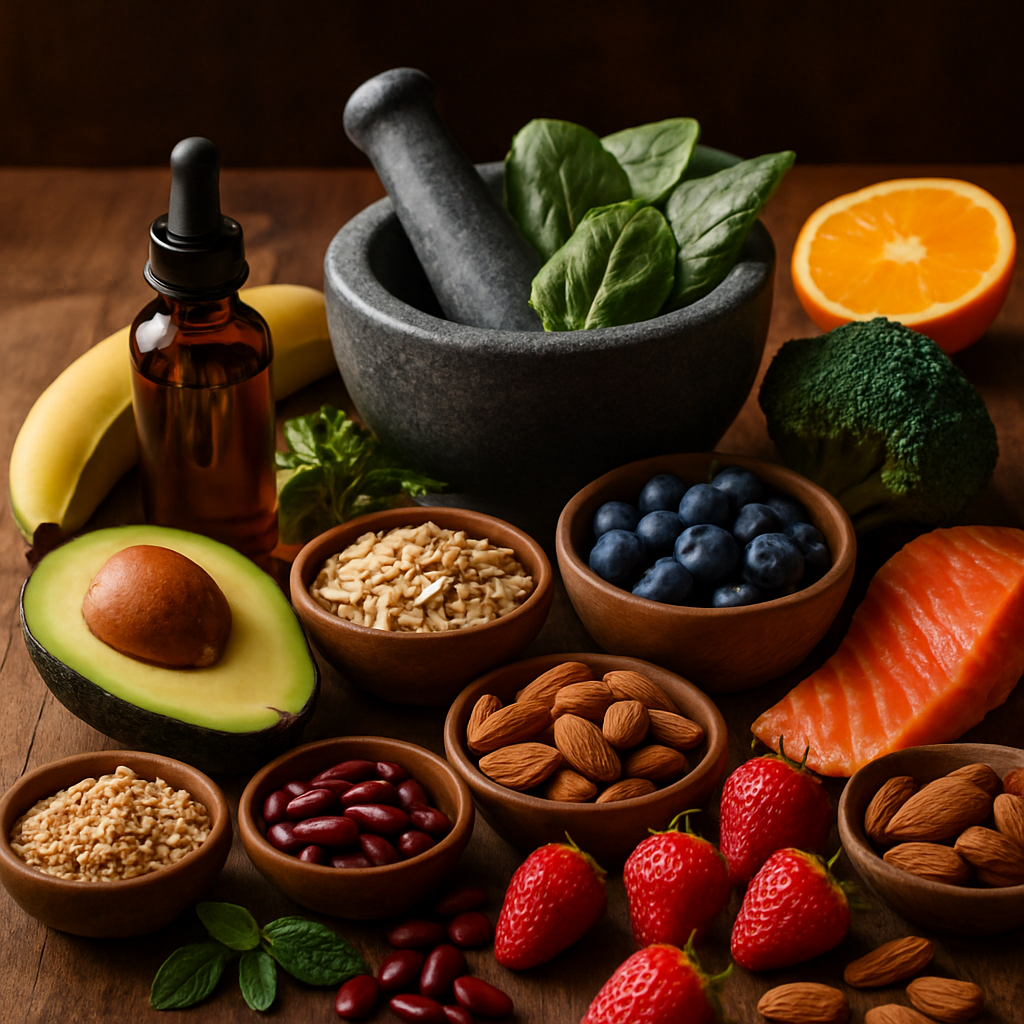
The best energy foods to eat depend on your lifestyle and energy needs, but these 10 stand out for their nutrient density and versatility. Whole grains (oats, brown rice, quinoa) provide slow-burning carbs; bananas deliver instant yet steady energy—ideal for breakfast or when you need to recover naturally after illness or fever.
Dark leafy greens such as spinach are among the best vegetables for boosting energy because they are rich in iron, which helps carry oxygen throughout the body—a vital function in preventing tiredness and increasing stamina. Nuts and seeds are portable, providing protein and healthy fats for children, athletes, or adults needing energy at school, work, or home.
- Whole grains: These are complex carbohydrate sources, offering long-lasting fuel by breaking down gradually and keeping energy levels steady. Whole grain meals at breakfast or lunch can make a real difference for those who want to increase energy at school or concentrate better at work.
- Fruits and vegetables: Brightly colored options like oranges, carrots, and berries are high in vitamins and antioxidants, combatting fatigue at a cellular level. Consuming them throughout the day can keep your body energized naturally.
Yogurt, eggs, legumes, and lean meats round out the top choices for a high-protein, energy-boosting diet. These options not only help you regain energy faster but also help maintain strong muscles—especially critical for athletes and older adults.
Why Some Foods Drain Energy: Ingredients and Meal Patterns to Avoid
As important as choosing high-energy foods is knowing which foods to avoid. Ultra-processed foods high in sugar, sodium, or fat may taste good or give a quick energy spike, but they are likely to lead to fatigue. Studies highlight the link between processed food (like packaged snacks or fast food) and increased inflammation, both of which can sap energy and decrease overall health (source).
Eating large, heavy meals—especially those high in simple carbohydrates or saturated fats—can force your body to divert energy toward digestion, leaving you feeling sluggish and less able to focus or work. Skipping breakfast or fasting without proper planning can also cause sudden drops in blood sugar, making you feel tired in the morning, afternoon, or evening.
For those looking to lose weight, avoid foods that trigger blood sugar highs and lows. Instead, aim for meals with balanced proteins, healthy fats, and plenty of fiber-rich vegetables, which give lasting energy and support natural weight loss without compromising stamina.
Boosting Energy When Sick or Tired: How to Recover Faster After Illness, Diarrhea, or Lack of Sleep
Recovery after fever, diarrhea, or being sick requires special attention to hydration and nutrient intake. Foods high in water content—like watermelon, cucumbers, or soups—support rehydration and help you bounce back quicker. Energy-boosting staples such as bananas (rich in potassium), boiled eggs, or easy-to-digest rice will rebuild your reserves and help you regain strength naturally, whether recovering at home or in the hospital.
Protein sources, especially soft options like yogurt or mashed beans, support healing and tissue repair, essential after illness or surgery. For both kids and adults, hydration paired with energy foods ensures that weakness doesn’t linger after being sick. This also applies if you’re dealing with chronic tiredness, night shifts, or disruptions to normal sleep.
When energy is low at night but you want to avoid caffeine, opt for light, protein-rich snacks and easily digestible carbohydrates. These help refuel your body so you wake up feeling refreshed rather than groggy or depleted.
Vegetarian, Indian, and Hindi Solutions: Energy Foods for Every Diet and Lifestyle
Many top energy foods come from plant-based sources, making them accessible to vegetarians and people following Indian or Hindi dietary traditions. Lentils (dal), chickpeas, whole wheat rotis, rice, and a bounty of vegetables are excellent for sustained energy and stamina, aligning perfectly with traditional home-cooked meals.
Indian diets often feature spiced vegetables and dals that not only taste flavorful but also improve alertness and focus due to their rich vitamin and mineral content. For women over 40 or anyone needing extra stamina, adding nuts, seeds, and fermented foods (like curd or homemade yogurt) can help boost energy both instantly and over time.
Vegetarian sources of protein support muscle repair and long-lasting energy, helping prevent common fatigue issues seen in low-protein diets. For children, including fruit and nut snacks or simple salads keeps energy levels up without relying on processed items.
Practical Eating Habits for All-Day Energy: Meals, Breakfast, and Focus at Work or School
The timing and composition of meals play a large role in maintaining energy and concentration. Starting your day with a balanced breakfast—containing whole grains, fruit, and a protein source—provides energy without the crashes that come from sweetened cereals or pastries (source).
Eating smaller, frequent meals throughout the day (about every 4 hours) helps maintain steady blood sugar. For kids at school or adults at work, snacks like trail mix, fruit, or yogurt in between meals can boost focus and prevent the drop in alertness that happens when you get too hungry or skip meals.
Staying hydrated is just as important; even mild dehydration can leave you feeling tired. Drink water regularly and include water-rich foods with every meal for sustained energy from morning until night.
Making these minor but consistent changes ensures you’ll have the lasting energy you need for all your activities—whether you’re recovering from illness, want to feel more alert at work, or simply want to stay energetic all day long.