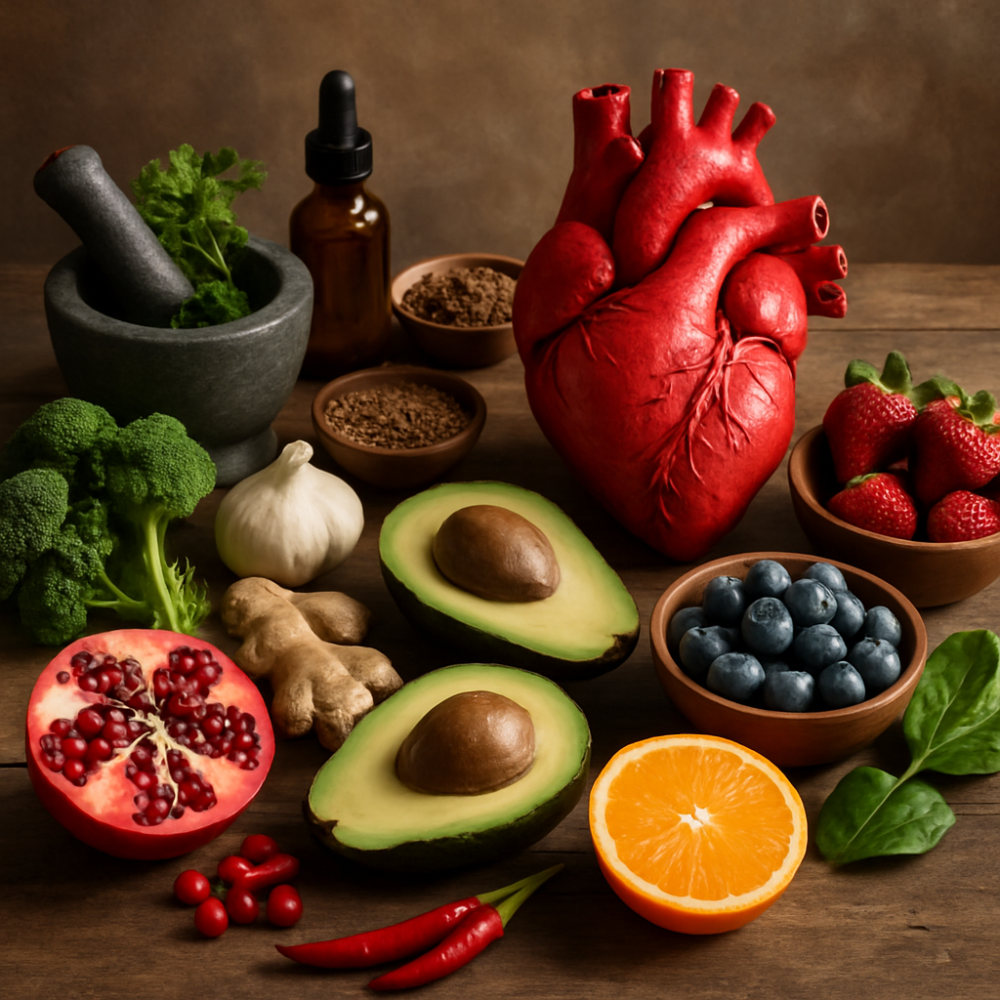
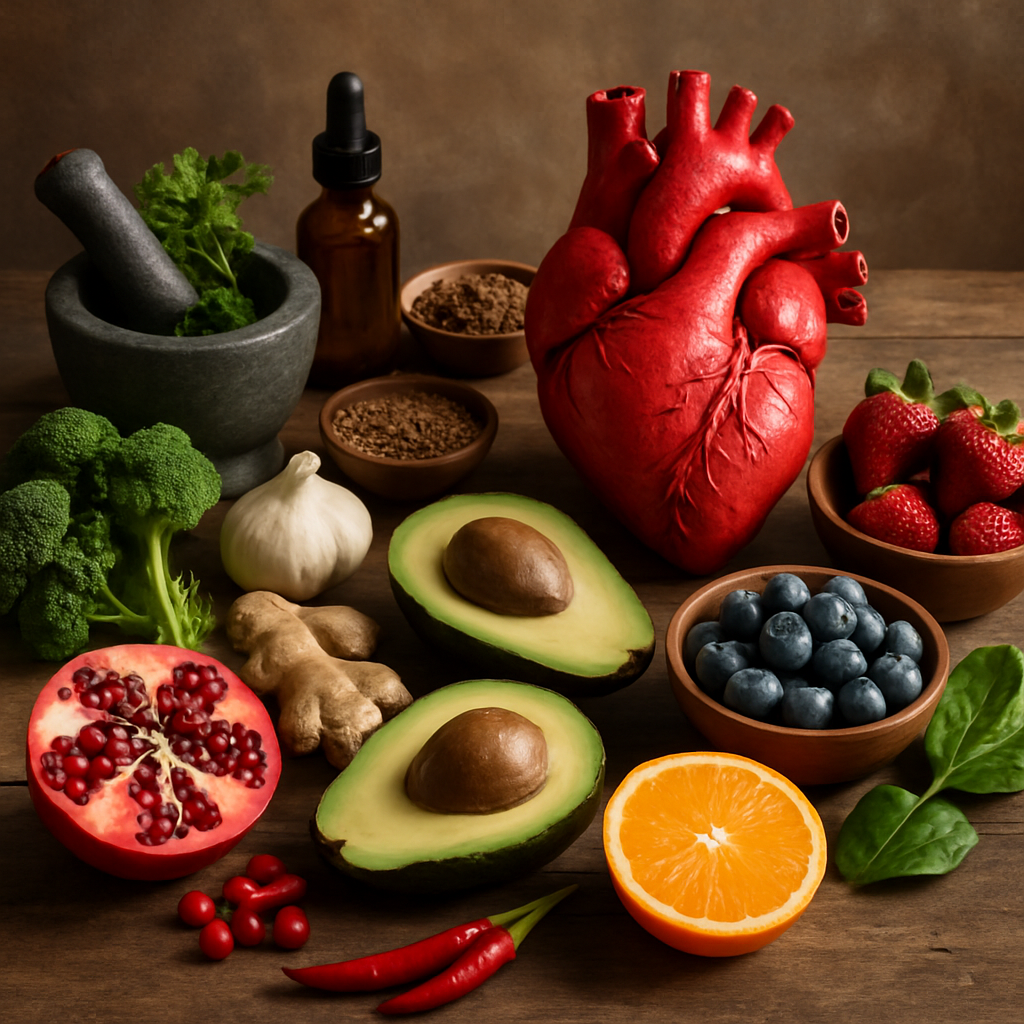
The foods you choose every day can directly impact the health of your blood, circulation, and heart. By focusing your meals on nutrient-dense foods—such as beets, leafy greens, fatty fish, fruits rich in antioxidants, and spices like cayenne—you can support better blood flow, maintain healthy arteries, and lower your risk for cardiovascular disease. Research shows that integrating these foods into your diet can help increase oxygen delivery, enhance vascular function, and reduce risks associated with poor circulation and heart problems, as confirmed by leading medical sources (The Educated Patient).
The Science Behind Foods That Improve Blood Circulation and Heart Health
Understanding how your diet influences blood flow starts with the way nutrients affect your blood vessels and heart. Foods rich in iron, folate, and antioxidants strengthen your blood’s ability to transport oxygen, playing a central role in circulation and overall energy levels. Iron helps form healthy red blood cells, while folate supports cell renewal, and antioxidants protect blood vessels from oxidative damage. These nutrients, frequently available in heart-healthy foods such as leafy greens, berries, and legumes, are vital for fighting fatigue and supporting your cardiovascular system’s efficiency.
One of the most powerful ways to support healthy arteries is through the consumption of omega-3 fatty acids—primarily found in fatty fish like salmon and mackerel. Omega-3s reduce inflammation, decrease the risk of blood clots, and help prevent artery blockages. According to The Educated Patient, regular fish intake has been linked to a clear reduction in the risk of heart attack and stroke.
Another group of foods beneficial to blood flow are those high in nitrates—especially beets. When you eat beets, natural nitrates in the vegetable convert to nitric oxide in your body—a compound known to relax and widen blood vessels, dramatically improving circulation to hands, feet, legs, and even the heart itself. This conversion supports not only physical performance but also assists in managing high blood pressure or circulation issues.
Top Foods That Naturally Boost Blood Flow and Prevent Artery Blockage
The best foods for improving blood circulation often overlap with those recommended for a heart-healthy lifestyle. Aside from beets and fatty fish, adding a variety of plant-based foods ensures a spectrum of supportive nutrients. Beans, lentils, chickpeas, and dark leafy greens provide fiber and micronutrients while helping to lower cholesterol and maintain strong arteries and veins (Vascular Institute).
Berries, especially blueberries and strawberries, are packed with polyphenols—potent plant antioxidants that reduce artery stiffness and keep blood flowing smoothly. Walnuts, avocados, and dark chocolate (with at least 70% cocoa) have also earned recognition for their roles in maintaining vascular health and lowering blood pressure.
Capsaicin, the compound that gives cayenne and other hot peppers their heat, relaxes muscles in blood vessels and helps prevent the buildup of arterial plaque. Incorporating mildly spicy foods into meals can gently enhance circulation for most adults, as highlighted by Healthline.
The Link Between Blood Flow, Diet, and Common Circulation Problems
Poor blood circulation can manifest as cold hands and feet, leg cramps, fatigue, or even more serious complications like heart failure or artery blockage. For individuals experiencing these issues—whether due to aging, sedentary lifestyle, or genetic predisposition—the right dietary choices can offer significant improvements. Foods that naturally increase blood flow can help not only supply oxygen and nutrients to extremities but may also assist in clearing minor blockages before they become major health threats.
Many patients with cardiovascular disease or risk factors find that a diet loaded with fruits, vegetables, legumes, and oily fish helps maintain artery flexibility and reduce progression of disease. Chocolate and berries—for their rich supply of flavonoids—are also beneficial for those managing poor circulation or wanting to prevent future problems.
Patients are increasingly seeking simple, natural strategies for better cardiovascular health. Focusing on foods that specifically address blood supply and vessel function offers a foundational approach to prevention, especially when combined with regular physical activity and avoidance of highly processed, saturated-fat-rich foods. For medical advice, always consult with a registered dietitian or healthcare provider familiar with your personal medical history.
Heart-Healthy Meal Ideas: Recipes to Increase Blood Supply and Function
Translating these nutritional principles into your everyday meals can be as simple as building dishes around nutrient-dense ingredients. Indian recipes often make use of turmeric, garlic, spinach, and legumes, all of which enhance blood health. Adding beets to breakfast smoothies or incorporating spinach into curries and stir-fries maximizes folate and iron intake naturally.
For those following vegetarian diets, pairing meals like lentil dal with a citrus salad ensures both plant-based protein and vitamin C, the latter boosting iron absorption. Eating a Mediterranean-inspired diet focused on beans, nuts, whole grains, and frequent servings of fatty fish has been shown to keep arteries clear and flexible long-term, reducing risk of heart problems according to leading dietitians (Healthline).
If you enjoy spicy foods, adding moderate amounts of chili peppers or a dash of cayenne to soups and roasted vegetables can provide a gentle boost to circulation. For dessert, a piece of dark chocolate or a berry parfait can satisfy your sweet tooth while helping to improve blood supply and heart health.
Surprising Habits and Foods for Better Circulation in Women and Men
Several habits connected to blood flow—beyond diet—make a measurable difference in overall health. Staying physically active supports vein and artery elasticity, while regular blood donation (when medically appropriate) has been associated with certain benefits for both men and women. While many ask “is it good for a woman to donate?”, current research suggests that blood donation on a regulated basis can help reduce excess iron stores, which is beneficial particularly for males, but should be carefully monitored in females to avoid anemia—especially if periods are heavy or nutrition is lacking.
Women are often more susceptible to iron and folate deficiencies, making foods like lentils, spinach, and beetroot especially important during menstruation to help restore blood supply and energy. Ensuring regular intake of vitamin-rich, iron-rich foods can help with symptoms of fatigue or poor circulation during periods or after giving blood. For both genders, donating plasma or platelets regularly can be safe and have mild potential benefits, provided an individual is healthy and follows medical guidelines for frequency.
Occasionally, individuals worry about risks such as microplastics or unwanted additives in processed foods that may contribute to artery plaque and compromise circulation. Focusing on whole, minimally processed foods remains the best way to support cardiovascular health and minimize these synthetic exposures.
Frequently Asked Questions: Making Your Diet Support Healthy Blood Flow
- What are the top five foods to improve circulation in legs and feet? Leading dietitians and cardiologists often point to beets, salmon, walnuts, dark chocolate, and citrus fruits for their combination of vascular benefits. These foods provide nitric oxide, omega-3s, antioxidants, and fiber, all directly supporting healthy blood flow to extremities.
- Can I naturally unblock arteries with diet alone? While food choices can help maintain artery flexibility and prevent new blockages, existing severe blockages often require medical intervention. However, a diet abundant in leafy greens, beets, berries, and low in saturated fat can greatly slow the progression of blockages and support heart function over time, as outlined by the Vascular Institute.
- How long does it take to see improvements from a heart-healthy diet? Some people notice more energy and improved circulation within weeks, especially if switching from a highly processed or high-saturated fat diet. Lasting cardiovascular benefits, such as clearer arteries and improved cholesterol, often develop over several months of consistent, balanced eating and healthy lifestyle changes.
By making thoughtful dietary choices every day and focusing on foods known to support blood health, you give your heart and blood vessels the support they need for a longer, more energetic life.