
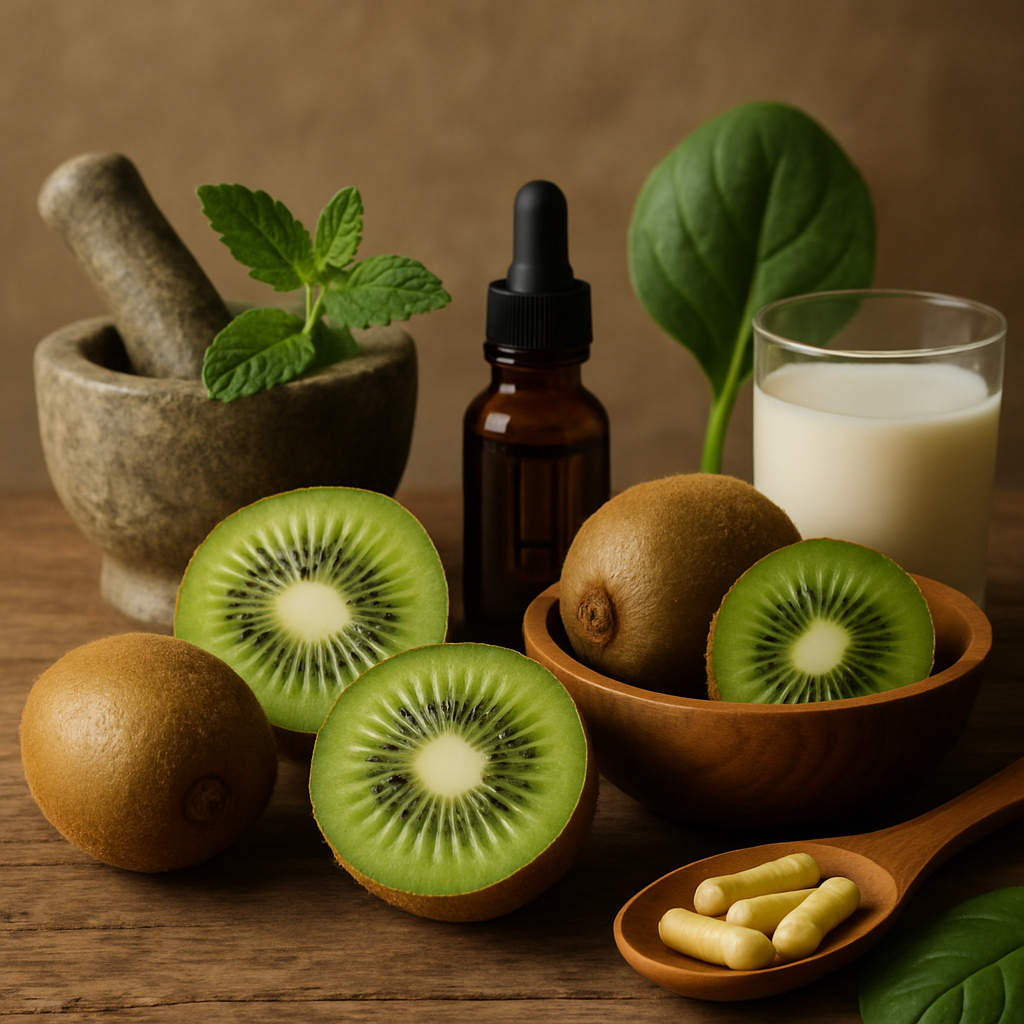
Kiwi fruit, though small and unassuming, is a powerhouse for nutrition and overall wellness, welcomed by both men and women as a natural source supporting fertility, pregnancy, skin health, and blood pressure management. Packed with vitamin C, fiber, and bioactive compounds, kiwi isn’t just a vibrant addition to your diet—it plays a practical role in your health routine whether you’re seeking optimal digestion, immune support, or blood pressure regulation. Eating kiwi regularly provides measurable benefits you can feel, especially when included as part of a balanced, nutrient-rich lifestyle (UT Physicians).
Unlocking the Medicinal Value of Kiwi: Nutritional Properties and Health Impact
Kiwi’s nutritional profile stands out for its dense supply of antioxidants, vitamin E, vitamin C, and a variety of minerals. The unique combination of soluble and insoluble fiber aids healthy digestion and supports steady blood sugar levels, making it a wise inclusion for people with diabetes or those watching their carbohydrate intake, such as when starting a keto or low-carb diet. The presence of the proteolytic enzyme actinidin further enhances protein digestion, which is especially helpful after high-protein meals (News Medical).
Beyond vitamins, kiwi’s phytonutrients are linked to reduced oxidative stress, supporting healthy liver function and skin renewal. The fruit’s natural potassium lightly encourages the modulation of blood pressure by offsetting the effects of sodium—a dietary factor often cited in the management of hypertension. The high fiber and hydration content work together to promote a healthy gut microbiome, which plays an integral part in skin growth, immune regulation, and systemic wellness (Cleveland Clinic).
For both male and female wellness, kiwi’s antioxidant properties may protect reproductive cells from stress damage, subtly supporting fertility and sperm health through consistent intake. The minimal natural sugar content and absent cholesterol make it an inclusive choice for nearly any health plan, from plant-based diets to medically guided nutrition.
Kiwi for Pregnancy, Skin, and Immunity: Exploring Specialty Health Benefits
Packed with folate, vitamin K, and essential micronutrients, kiwi fruit is a smart choice for women during pregnancy. Folate not only supports healthy neural development in a growing fetus but also helps maintain optimal red blood cell production—important for both mother and child. Its gentle sweetness can settle taste changes and nausea, while fiber promotes digestive regularity, lessening common issues such as pregnancy-related constipation.
Kiwi is frequently recommended for its role in skin care, owing to its high vitamin C (more per 100g than an orange) and abundant vitamin E content. Both nutrients contribute to collagen synthesis and cellular repair, fostering skin renewal and potentially supporting the healing of minor wounds. The actinidin enzyme, while highly beneficial for digestion, may cause sensitivity in some people with latex-fruit allergies—but is otherwise harmless for most.
Immunity is another domain where kiwi shines. Regular kiwi consumption fortifies your body’s defenses against common infections, with research highlighting faster recovery times from upper respiratory tract symptoms. Its immuno-supportive effect can be harnessed by both men and women, especially during cold and allergy seasons when vitamin C requirements are elevated (UT Physicians).
Managing Blood Pressure and Liver Health: Kiwi’s Role in Medical Diets
Consuming kiwi on a consistent basis offers a natural, gentle means to help regulate blood pressure due to its potassium-rich content and low sodium nature. Potassium helps your body balance water and salt, directly impacting how the blood vessels relax and contract. Studies suggest that including kiwi regularly in your diet may modestly lower high blood pressure, decreasing stress on the cardiovascular system and mitigating risk factors for stroke and heart disease.
Supporting liver health, kiwi offers antioxidant protection against everyday environmental exposures—such as pollutants and medications—that can tax liver metabolism. Its fiber supports bile movement and healthy cholesterol levels, both important for liver function and metabolic health. For people living with nonalcoholic fatty liver disease or looking to prevent it, increasing dietary fiber from fruit sources like kiwi may play a supportive role.
For diabetics, kiwi’s glycemic index is ranked low, meaning it impacts blood sugar far less aggressively than many other fruits. This makes it a preferable snack for those who require steady glucose control. Men and women with metabolic syndrome or related health concerns find kiwi to be a refreshing addition that doesn’t derail their nutritional goals, whether for weight loss, fertility, or blood pressure support.
How to Add Kiwi to Your Diet: Nutrition Tips and Easy Integration Methods
Kiwi is as versatile as it is nutritious. The simplest method is to eat it fresh, with or without the skin (which holds much of the fiber; just wash thoroughly beforehand). You can also blend it into smoothies for a tropical, refreshing kick, combine it with berries and citrus in a fruit salad, or toss slices onto a leafy green salad for a contrasting tang. For a smart morning routine, eating kiwi on an empty stomach may intensify its digestive benefits and aid morning hydration (UT Physicians).
- Juicing and Tea Preparation: Kiwis can be juiced with apples, cucumbers, or ginger for a nutrient-packed beverage. Meanwhile, dried kiwi peels or leaves—less common but increasingly popular in herbal circles—can be steeped as a mild tea, potentially adding antioxidant polyphenols with calming properties. Always ensure leaves are sourced and prepared safely if experimenting beyond the fruit itself.
- Kiwi and Protein Balance: Incorporating kiwi into keto, Atkins, or low-carb diets is especially effective, as its carb content is modest compared to bananas or mangos. Pairing sliced kiwi with vegetable-forward dishes or as a topping to Greek yogurt or cottage cheese provides a protein boost while maximizing absorption of fat-soluble vitamins.
Eating kiwi raw preserves its nutritional value, and consuming small portions spread throughout the week keeps you within safe, digestible limits. While allergies are rare, eating too much kiwi in one sitting or when combined with high doses of vitamin C supplements could cause temporary oral discomfort or digestive upset.
Potential Side Effects and Precautions: Eating, Drinking, and Beyond
While most people tolerate kiwi very well, some mild side effects can occur, particularly in those sensitive to actinidin or related fruits (such as latex allergy sufferers). Symptoms—like mouth tingling or mild swelling—typically resolve quickly and can be minimized by limiting intake. For most, the health benefits far outweigh the risks, but being aware of your own body’s response is sensible before integrating kiwi into a daily habit.
Special populations—including those with irritable bowel syndrome (IBS) or on a medical diet for liver or blood pressure concerns—benefit from the gentle, non-stimulant profile of kiwi. The fiber is unlikely to cause bloating in moderate amounts, but excessive consumption could, particularly if paired with other high-fiber foods at the same meal. Drinking kiwi-rich juice or tea is usually gentler than consuming a large quantity of the fibrous fruit all at once.
For those with unique health goals—such as hair and skin growth, whitening needs, or maintaining fertility—kiwi’s profile provides supportive, not miraculous, real-world results. Used wisely, it complements evidence-based approaches, but no single fruit can substitute for medical care or a balanced diet.
Kiwi stands out as a small fruit with a wealth of benefits for male and female wellness, pregnancy support, blood pressure management, and healthy skin, making it a worthy staple in modern nutrition routines.