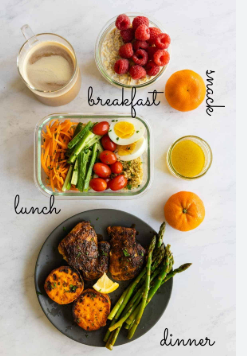
A clean eating meal plan for weight loss revolves around eliminating ultra-processed foods and replacing them with whole, unrefined staples like fresh vegetables, lean proteins, and intact grains. Focusing on nutrient density naturally reduces overall calorie intake while boosting dietary fiber and protein, keeping you comfortably full without starvation tactics. By controlling cooking oils, drinking plenty of water, and building balanced plates around real ingredients, you create a sustainable calorie deficit that promotes steady fat loss and improved metabolic health.
Unlike restrictive fad diets that force you to count every single calorie or eliminate entire food groups, clean eating focuses on food quality and physiological satiety. Ultra-processed foods are scientifically engineered to bypass our natural fullness signals, leading to overeating and fat storage. Switching to whole foods restores natural appetite regulation because dietary fiber and complex macronutrients take longer to chew and digest. When you prioritize natural foods, your daily energy expenditure balances out naturally against your caloric intake.
What Is Clean Eating for Weight Loss? Core Rules and Nutritional Science
Many beginners ask: can you lose weight just by clean eating without meticulous macro tracking? The physiological answer is yes, primarily because whole foods have a much lower caloric density than ultra-processed packaged items. A plate loaded with broccoli, roasted carrots, and baked salmon provides significant physical volume in your stomach for a fraction of the calories found in a small fast-food meal. When you focus on what to eat when eating for weight loss, choosing high-volume, minimally processed ingredients allows you to achieve a caloric deficit while still eating satisfying, generous portions.
The biological power of whole foods lies in how they influence gut hormones and gastric emptying. Dietary fiber from leafy greens, berries, and legumes absorbs water in the digestive tract, physically stretching the stomach walls and sending satiety signals to the brain. Simultaneously, adequate protein intake stimulates the release of fullness hormones like peptide YY while suppressing ghrelin, the hormone responsible for hunger pangs. This dual mechanism creates an authentic, long-lasting fullness that artificial appetite suppressants and quick-fix detox menus simply cannot replicate.
A successful clean eating framework also targets the worst carb for belly fat: refined liquid sugars and high-fructose syrups. Sugary drinks, candies, and packaged baked goods flood the bloodstream with glucose, prompting a massive release of insulin that drives excess energy directly into visceral fat storage. By cutting out artificial additives, preservatives, and sweetened beverages, you stabilize blood glucose and keep insulin levels low. This hormonal environment allows your body to tap into stored adipose tissue for fuel throughout the day.
Building Your Plate: Foods to Enjoy, Healthy Snacks, and Foods to Avoid
Creating a dependable clean eating food list starts with simple ingredients that look as close to their natural state as possible. Fresh or frozen vegetables, whole seasonal fruits, legumes, raw nuts, seeds, and intact grains like quinoa and brown rice form the foundation of your carbohydrate and fiber intake. Lean animal proteins such as chicken breast, turkey, wild-caught salmon, and white fish supply essential amino acids for muscle preservation. Many people ask whether eggs are good for a daily whole-food breakfast, and nutritionists confirm that whole eggs offer a highly bioavailable source of protein, choline, and healthy fats that stabilize morning blood sugar.
Another common question is whether Greek yogurt is considered clean eating when you are trying to shed excess body fat. Plain, unsweetened Greek yogurt is an outstanding whole-food staple because it is strained to remove liquid whey, leaving behind a thick dairy product packed with slow-digesting casein protein and beneficial gut probiotics. Adding fresh raspberries and a small handful of walnuts to plain yogurt provides natural sweetness and healthy omega-3 fatty acids without the added sugars found in flavored commercial yogurts. Beginners can explore comprehensive nutritional guidelines through the clean eating meal plan for beginners to learn how to pair these wholesome ingredients effectively.
Knowing what snacks are good when afternoon cravings strike prevents impulsive trips to the vending machine. Instead of reaching for processed chips, try air-popped popcorn on a diet, which provides a high-volume, whole-grain crunch with very few calories when seasoned with herbs instead of butter. Fresh apple slices paired with a tablespoon of natural peanut butter or a small bowl of sliced melon also satisfy sweet cravings while delivering fiber and micronutrients. By stocking your kitchen with simple whole-food snacks, you protect your calorie deficit while nourishing your body.
- Lean Animal and Plant Proteins: Chicken breast, turkey, tilapia, salmon, whole eggs, and legumes provide the amino acid building blocks required to preserve lean muscle mass during weight loss. Digesting protein burns more calories through the thermic effect of food than digesting carbohydrates or fats, giving your metabolic rate a gentle daily lift.
- Fiber-Rich Vegetables and Whole Fruits: Leafy greens, broccoli, asparagus, cucumbers, cherry tomatoes, berries, and apples deliver essential vitamins, minerals, and polyphenols without excessive energy density. High dietary fiber content slows digestion and feeds beneficial gut bacteria, which helps regulate inflammation and metabolic function.
- Unrefined Complex Grains and Healthy Fats: Quinoa, brown rice, olive oil, walnuts, and natural nut butters supply sustained energy and vital fatty acids that support cellular and brain health. Because oils and nuts are calorically dense, measuring portion sizes carefully ensures you gain their nutritional benefits without overconsuming energy.
A 3-Day Clean Eating Meal Plan for Beginners
Transitioning to whole foods is much easier when you follow a structured menu built around accessible, everyday recipes for weight loss beginners. A well-designed daily plan combines a lean protein source, healthy fats, and complex carbohydrates at every meal to maintain steady energy levels from morning to night. Relying on simple preparation methods like sheet-pan roasting and slow cooking reduces kitchen cleanup and makes consistent healthy eating achievable during busy workweeks.
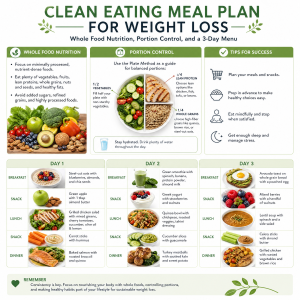
The first two days of this program emphasize light Mediterranean-style lunches and warming evening meals that provide high volume with low caloric density. On Day 1, you begin with plain Greek yogurt topped with fresh raspberries and chopped walnuts, followed by a lunch of white bean and mixed vegetable salad tossed in a light olive oil and vinegar dressing. For dinner, sheet-pan roasted salmon paired with broccoli and carrots delivers anti-inflammatory omega-3 fats. Day 2 starts with a green smoothie blending fresh spinach, natural peanut butter, and banana, transitions to a quinoa grain bowl with black beans and bell peppers for lunch, and finishes with a hearty slow-cooker vegetable minestrone soup enriched with leafy greens.
Day 3 demonstrates how simple ingredient rotations prevent flavor fatigue while keeping your nutrition completely clean. Breakfast features two scrambled eggs served with sliced melon or fresh berries, providing an ideal balance of protein and slow-digesting carbohydrates. Lunch is a grilled chicken breast over a large mixed green salad with cherry tomatoes and cucumbers, and dinner features baked tilapia served with steamed asparagus and a measured side of brown rice. Readers seeking more whole-food menu ideas can explore additional structured clean eating templates to expand their weekly culinary rotation.
- Day 1 Menu Breakdown: Greek yogurt with raspberries and walnuts for breakfast, a white bean and vegetable salad for lunch, and sheet-pan roasted salmon with broccoli and carrots for dinner. This combination emphasizes gut-friendly probiotics, plant-based fiber, and essential omega-3 fatty acids to support cardiovascular health and prolonged fullness.
- Day 2 Menu Breakdown: A spinach, peanut butter, and banana smoothie for breakfast, a quinoa bowl with black beans and peppers for lunch, and slow-cooker vegetable minestrone soup for dinner. Blending whole leafy greens into morning smoothies provides easy micronutrient absorption, while the evening minestrone offers comforting warmth and hydration with minimal calories.
- Day 3 Menu Breakdown: Scrambled eggs with melon for breakfast, grilled chicken over a large garden salad for lunch, and baked tilapia with asparagus and brown rice for dinner. Using lean white fish and poultry keeps dinner calories light while supplying abundant lean protein for overnight muscle recovery.
Strategies for Long-Term Fat Loss: Portion Control, Hydration, and Mindset
Scaling a simple 3-day menu into a 7-day or 21-day meal plan requires building dependable habits around food preparation and kitchen organization. Batch-cooking staple ingredients like brown rice, quinoa, and roasted chicken breast on weekends ensures that healthy meals are always ready to assemble in minutes. Having cooked whole grains and washed greens waiting in your refrigerator eliminates the friction of weeknight cooking, making you far less likely to order ultra-processed takeout after a long workday.
It is equally important to abandon crash-diet mentality and reject unrealistic claims about dropping 20 pounds in two months without extreme muscle loss. Sustainable fat loss occurs at a steady pace of one to two pounds per week, which preserves your resting metabolic rate and protects bone density. For a comprehensive look at how energy balance and portion measurement dictate long-term success, consult the Harvard Health guide to balanced eating plates. Adopting a sensible, evidence-based pace prevents burnout and stops the yo-yo dieting cycle.
Finally, mastering portion control and daily hydration solidifies clean eating as a permanent lifestyle rather than a temporary fix. Even wholesome foods like cold-pressed olive oil, avocados, and walnuts contain concentrated calories that can slow down weight loss if poured directly from the bottle without measuring. Pair mindful measuring with plenty of water throughout the day, as mild dehydration is frequently misinterpreted by the brain as hunger. By drinking water consistently and enjoying whole, minimally processed ingredients, you transform your daily diet into an enjoyable path to permanent weight loss.
Continue Reading
You may also be interested in: Pregnancy Supplements First Trimester Essentials: Most Important Vitamins, Iron & Folic Acid