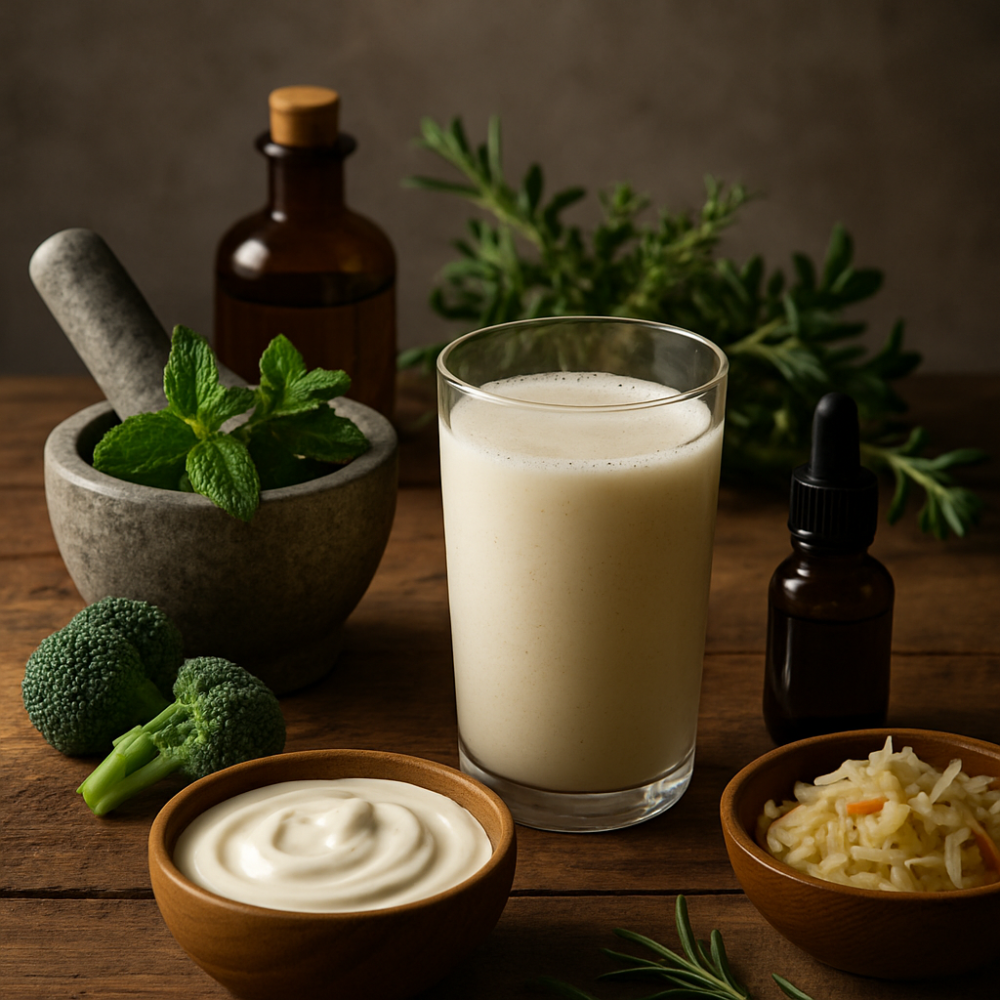
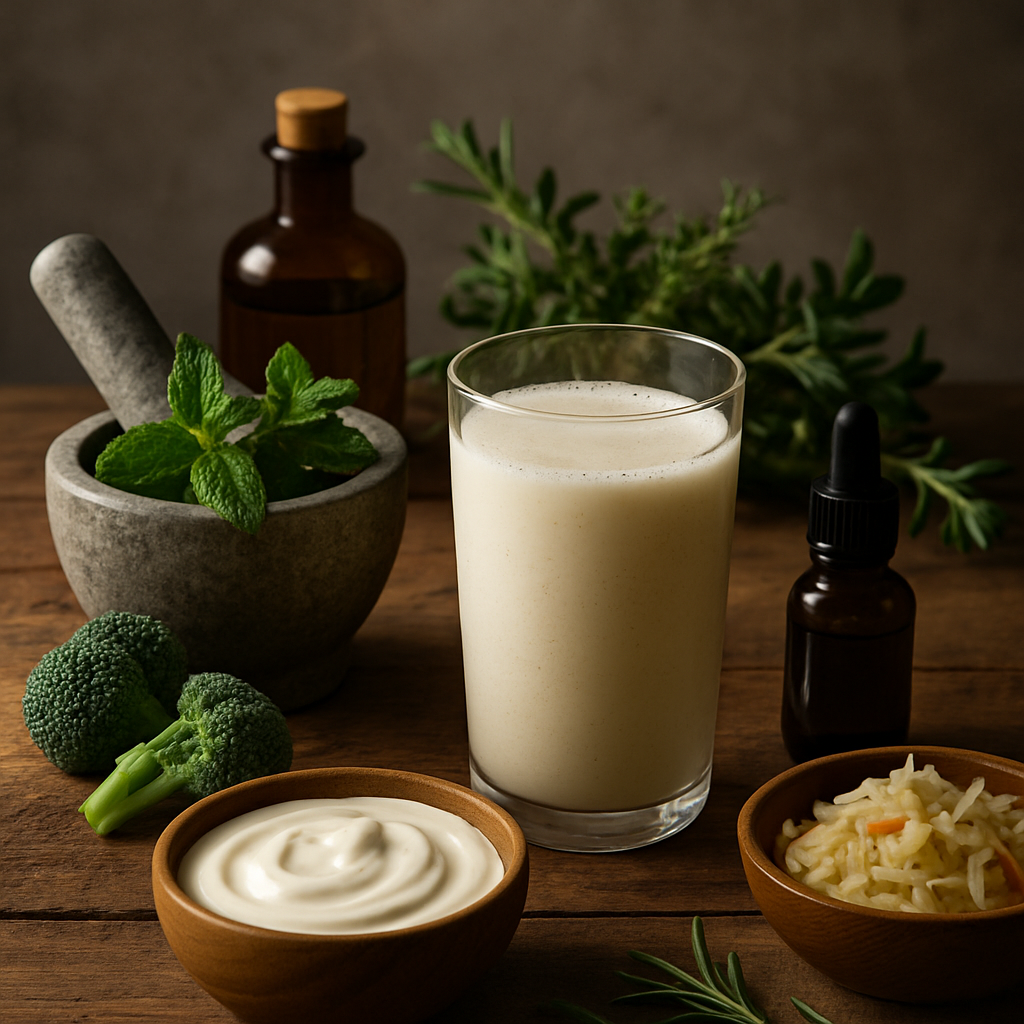
If you want to boost digestive wellness and overall health, incorporating a gut health drink into your daily routine—especially in the morning—could make a big difference. The right beverage, enriched with probiotics, fiber, or anti-inflammatory ingredients, supports not only smoother digestion but also contributes to mental and physical well-being. But what exactly makes a drink beneficial for our gut, and how does it tie in with the broader scientific understanding of digestive health? Let’s explore the evidence and practical strategies behind these healthful beverages.
Best Morning Choices for Supporting the Microbiome
The timing and composition of your first drink of the day impact your gut’s microbial community. Morning is often ideal for replenishing beneficial bacteria after an overnight fast. Drinks containing probiotics—like kefir, homemade fermented beverages, or even probiotic yogurts—supply your gut with living organisms that promote balance and diversity in your microbiota (see more).
Pairing these fermented drinks with fiber-rich ingredients, such as chia seeds or psyllium husk, can fuel the friendly microbes, helping maintain gut lining integrity and aiding regularity. Some people opt for homemade gut health drink recipes using freshly blended fruits, oats, and a splash of kombucha or live-cultured yogurt to create an environment where probiotics thrive from the very start of their day.
Consistency also matters. Establishing a best morning ritual with a gut-friendly beverage gives the digestive tract time to adapt and maximize the benefits of these live cultures and prebiotic fibers. While everyone’s optimal morning routine differs, focusing on drinks free from artificial sweeteners and gut irritants is universally helpful.
Homemade Solutions: Natural Ingredients and Preparation Tips
Homemade gut health drinks often center around simple, nutrient-dense foods. Think unsweetened yogurt, lightly fermented vegetables, or pure water kefir. These provide probiotics, vitamins, and enzymes that are missing from many commercial drinks. Adding a scoop of natural powder made from dried fruits, greens, and antioxidant-rich spices (like turmeric or ginger) can further support inflammation reduction and promote a balanced gut environment.
When building a homemade gut health drink, pay attention to ingredient interactions. For example, combining fresh papaya—which is high in digestive enzymes—with a live cultured probiotic can help break down food more effectively and may soothe sensations of bloating or mild inflammation. The goal is to keep ingredients natural, unprocessed, and synergistically beneficial for the microbiome.
Homemade smoothies, tonics, or teas become even more powerful when using water that is filtered and free of harsh chemicals. Blending in prebiotic-rich foods like bananas and oats provides fermentable fiber for your gut bacteria. This practice supports the microbial species diversity emphasized in scientific research (learn more).
Probiotic Influence: Science and Choosing the Right Supplements
Probiotics, whether delivered through a gut health drink or supplement, are front-and-center in the conversation about microbial wellness. According to the International Scientific Association for Probiotics and Prebiotics, gut health is more than just the absence of discomfort—it’s a state of overall well-being, aided by a harmonious microbial environment.
The type, strain, and quantity of probiotics in your drink matter significantly. Look for beverages offering clinically proven strains, such as Lactobacillus or Bifidobacterium, and pay attention to storage instructions, since live organisms are sensitive to heat and time. The benefits can range from easing constipation to regulating inflammation and supporting immune response.
Supplements can fill dietary gaps, especially for individuals who don’t routinely consume fermented foods. However, whole-food-based drinks remain an effective, accessible way for most people to regularly ingest a broad spectrum of gut-supporting microbes and their supportive nutrients.
Nutritional Components That Modulate Inflammation
Many gut health drinks include ingredients acknowledged for their anti-inflammatory properties. These often feature natural fruits loaded with antioxidants, spices like ginger, and plant-based fibers that promote a calm internal environment. Chronic, low-grade inflammation in the gut impedes microbial function and can contribute to systemic issues like fatigue or poor mental clarity.
Regular consumption of drinks rich in polyphenols—compounds found in berries, cocoa, tea, and even some herbs—can modify the gut flora profile and reduce markers of inflammation. When paired with a probiotic base, these compounds work in synergy to soothe the digestive lining and prevent the escalation of irritation.
Hydration plays a critical role as well. Water forms the foundation for most homemade gut health drinks, assisting in the smooth transit of food and waste. Well-hydrated tissues are less vulnerable to friction and inflammation, underlining the importance of plain fluids alongside targeted formulations.
Understanding How Foods Like Papaya and Prebiotics Fix Digestive Imbalances
One of the most overlooked strategies for gut wellness lies in dietary choices that “feed” the beneficial bacteria. Incorporating foods naturally high in prebiotics—such as bananas, onions, garlic, and papaya—encourages the proliferation of helpful microbes. Papaya, in particular, contains the enzyme papain, which can assist in the breakdown of stubborn proteins, supporting a smooth digestive flow and helping resolve minor irregularities.
- Prebiotic-rich foods act as fuel for probiotics present in your drinks and gut. When you combine prebiotic fibers with live cultures, as found in many homemade mixtures, the fermentation of these fibers promotes microbial diversity and “crowds out” undesirable bacteria.
- Pairing papaya or resistant starches with a live probiotic drink can help fix issues like mild bloating, constipation, or incomplete digestion. Although not a cure-all, these combinations optimize the gut environment over time and make maintaining overall health more attainable.
By integrating foods shown to nurture gut bacteria, you further amplify the effects of your daily gut health drink and encourage a stable, well-balanced microbiome as supported by recent research from organizations like ISAPP and Better Health Victoria.
What to Take: Personalizing the Protocol for Women and Individual Needs
Women may experience unique digestive challenges tied to hormonal fluctuations. The right gut health drink protocol—incorporating probiotics, fiber, and inflammation-fighting ingredients—should be tailored to accommodate these shifts. Some women prefer starting their day with a probiotic-rich yogurt smoothie, while others opt for hydrating tonics featuring soothing herbs and citrus.
There’s no universal protocol for everyone. Instead, thoughtfully crafted gut health drinks, made from whole foods and targeted supplements, allow each person to experiment and find what works best. Keeping a journal of symptoms and tracking which ingredients aid digestion, reduce discomfort, or support mood can be invaluable.
If in doubt, consulting a medical professional or registered dietitian is a wise step, particularly for women with persistent symptoms. Using authoritative sources like Franciscan Health and ISAPP ensures any approach taken is rooted in the latest scientific guidelines for maintaining a healthy, resilient gut.
With consistent, informed choices and a practical understanding of how gut health drinks, diet, and probiotics interact, you can nurture digestive harmony and contribute to your overall vitality every single day.