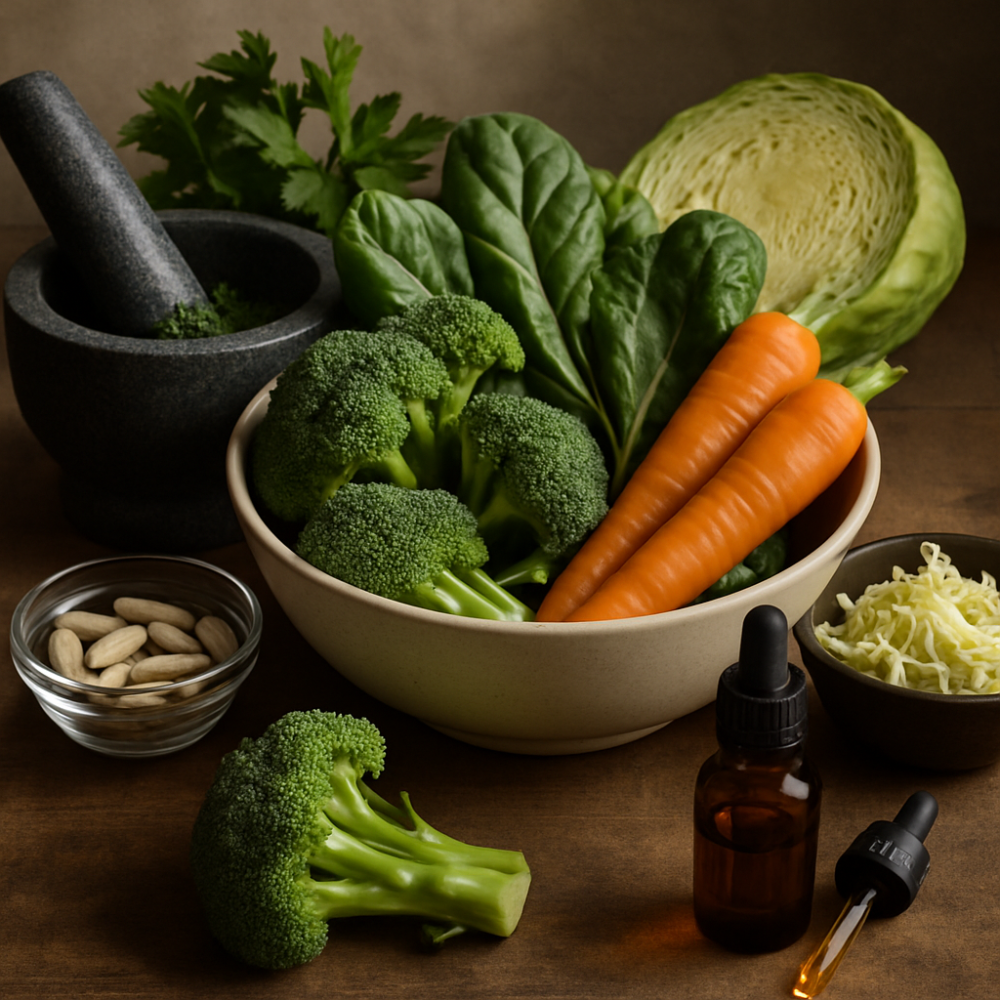
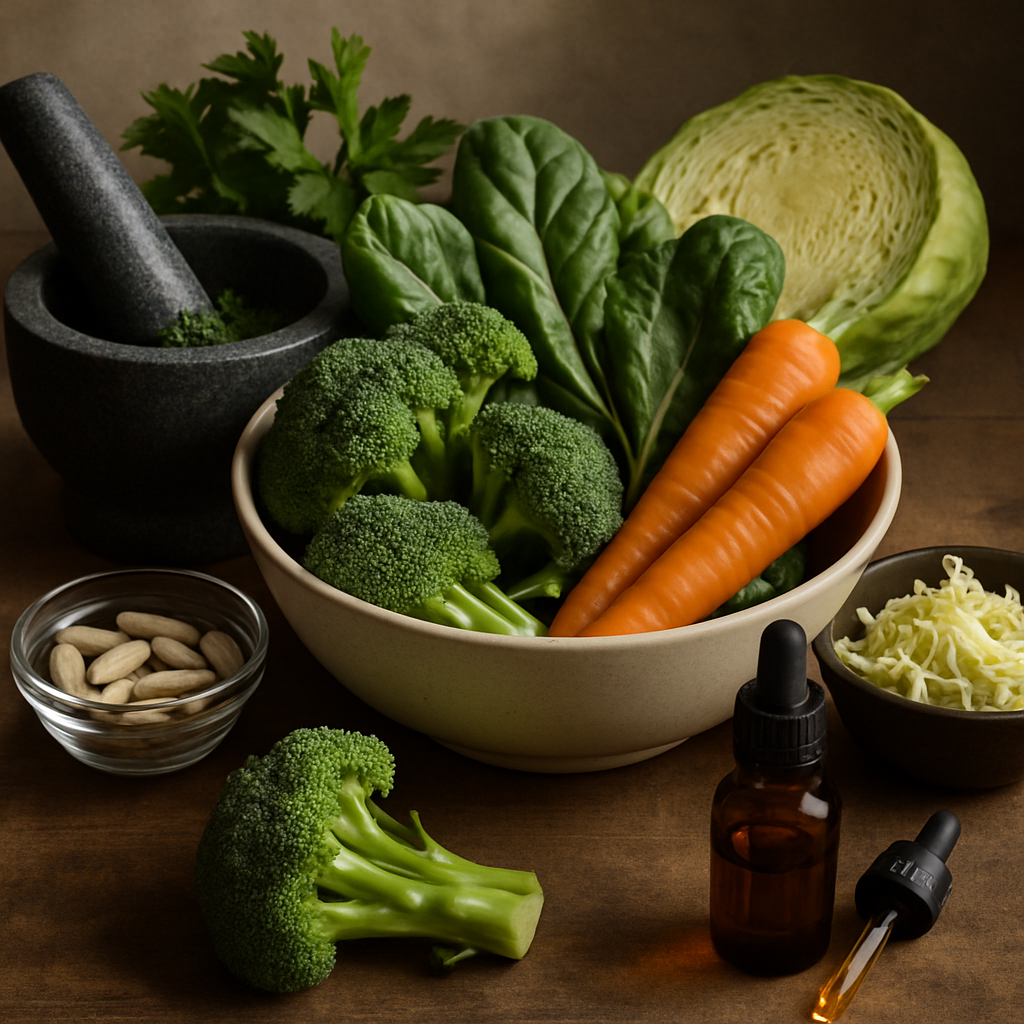
Vegetables are nutritional powerhouses: eating a diet rich in a variety of vegetables is directly linked to lower rates of chronic disease, healthy weight management, and optimal digestive function. People who increase their intake of vegetables—such as marrows, lentils, onions, leeks, and lettuces—experience improved health markers, including better gut health, lower body fat, and more energy. The core reality: prioritizing vegetables in your daily meals naturally supports weight loss, strengthens immunity, and reduces the risk of serious health issues.
How Vegetables Help With Weight Loss and Support a Healthy Body
Vegetables are ideal for those seeking effective, sustainable weight loss. Their high fiber content creates a feeling of fullness and satisfaction, which helps control appetite and prevents overeating. Lentils, broad beans, and leafy greens like lettuce supply complex carbohydrates and essential nutrients with minimal calories, making them excellent choices for weight control.
Registered dietitians recommend replacing calorie-dense foods with a diverse array of vegetables. The result is a natural calorie deficit, as vegetables are low in fat and energy density. This approach emphasizes gradual, long-term weight management rather than restrictive, fad diets. In fact, studies cited by the Wikipedia page on vegetables show clear evidence linking increased vegetable consumption with improved body weight and reduced risk of obesity.
Consuming vegetables with high water content, such as marrows and lettuce, further aids weight loss. Their bulkiness means you can eat generous portions that fill your stomach, all while promoting hydration and keeping you energized throughout the day.
The Science Behind Why Vegetables Aid Digestion and Reduce Stomach Issues
Dietary fiber found in vegetables like leeks, onions, and lentils plays a vital role in digestive health. Soluble fiber helps regulate bowel movements and feeds beneficial gut bacteria, while insoluble fiber adds bulk to stool and supports regularity. This combination reduces the risk of constipation, bloating, and digestive discomfort.
Adopting a vegetable-rich diet has been shown to improve symptoms of stomach upset, gas, and even acid reflux. Certain vegetables are particularly soothing for the digestive tract; for instance, leafy greens are easy to digest and unlikely to irritate sensitive stomachs. People with conditions like irritable bowel syndrome (IBS) often see improvements by gradually increasing their vegetable intake, focusing on well-cooked or fermented options.
In some cultures, specific vegetables like radishes and garlic are used in traditional remedies for stomach aches and mild gut infections. While anecdotal, these practices are now being explored by science, which highlights the antibacterial and immune-supporting properties of phytonutrients found in vegetables (Bonduelle Foundation).
Essential Vitamins and Minerals in Vegetables That Protect Your Heart and Ward Off Disease
Vegetables are primary sources of antioxidant vitamins A, C, and E, all important for reducing inflammation and preventing cellular damage. High intakes of onions, leeks, garlic, and beans correspond with a decreased incidence of cardiovascular disease and stroke, due to both their fiber and phytonutrient content.
The minerals and trace elements in vegetables—such as potassium, magnesium, and sulfur compounds—help regulate blood pressure and support liver detoxification. Leafy greens and cruciferous vegetables, like kale and cabbage, are especially potent for supporting heart and liver health.
Multiple large-scale studies confirm that increasing vegetable consumption leads to a reduction in the rates of cancer and other chronic diseases. This is attributed to the synergy of vitamins, minerals, and plant compounds that work together to protect human cells from environmental damage, oxidative stress, and inflammation (Wikipedia reference).
Which Vegetables Should You Eat for Maximum Health Benefit?
Not all vegetables are created equal in nutrient density and health benefits. The most effective plan for improving health and promoting weight loss is to eat a wide variety of vegetables from different families. Top picks include legumes like lentils and broad beans, which boast high protein and fiber for sustained energy and muscle preservation.
Allium vegetables, such as onions, leeks, and garlic, provide unique sulfur compounds that support detoxification and cancer prevention. Leafy greens—such as various lettuces, spinach, and Swiss chard—are packed with antioxidants and vitamins that promote glowing skin and boost immunity. Root vegetables like radishes and carrots add valuable phytonutrients and crunch while remaining low in calories.
- Marrows and Squash: These are high in water and low in calories, making them ideal for weight management, while providing vitamins A and C for immune function.
- Legumes (Lentils, Broad Beans): Excellent sources of plant protein, iron, and fiber. They stabilize blood sugar and support gut health.
- Leafy Greens and Alliums: Rich in folate, vitamin K, and antioxidants, they are foundational for heart, nerve, and liver health, in addition to supporting glowing skin.
Practical Ways to Increase Vegetable Intake Naturally
If you need to increase your vegetable levels naturally, start by adding an extra serving to every main meal: include a leafy salad at lunch, roasted root vegetables at dinner, and crunchy crudités as snacks. Try new varieties and aim for a rainbow of colors each week—different pigments signal different types of antioxidants and nutrients.
For those unsure where to start, explore comprehensive lists and guides to common and lesser-known vegetables available in the UK and worldwide, such as the helpful chart in the OSPI Vegetables A-Z PDF. This ensures diet variety and helps identify foods that offer the highest nutrient value and lowest environmental footprint.
To maximize nutrient absorption, enjoy vegetables raw, lightly steamed, or roasted, and pair them with a source of healthy fat (like olive oil or avocado) when possible. Remember, the best diet is balanced: your body thrives when you fuel it with diverse, fresh produce every day.