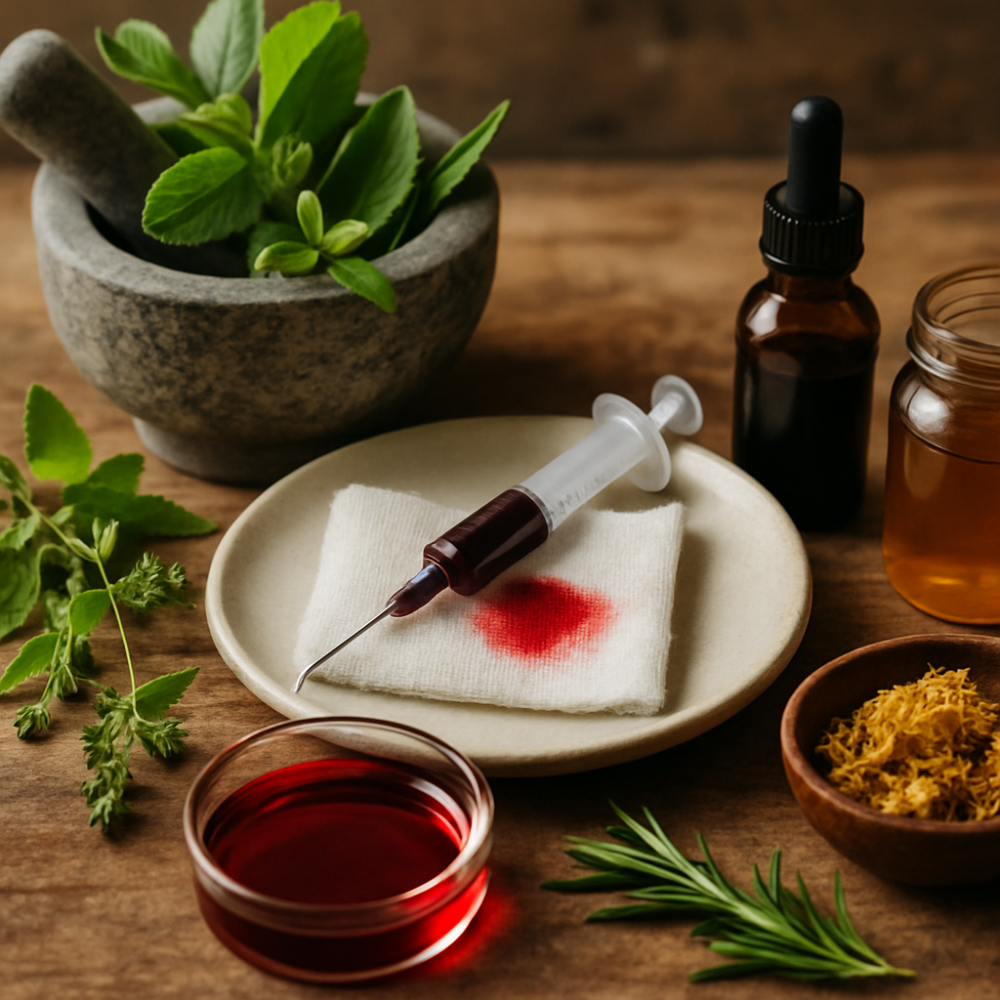
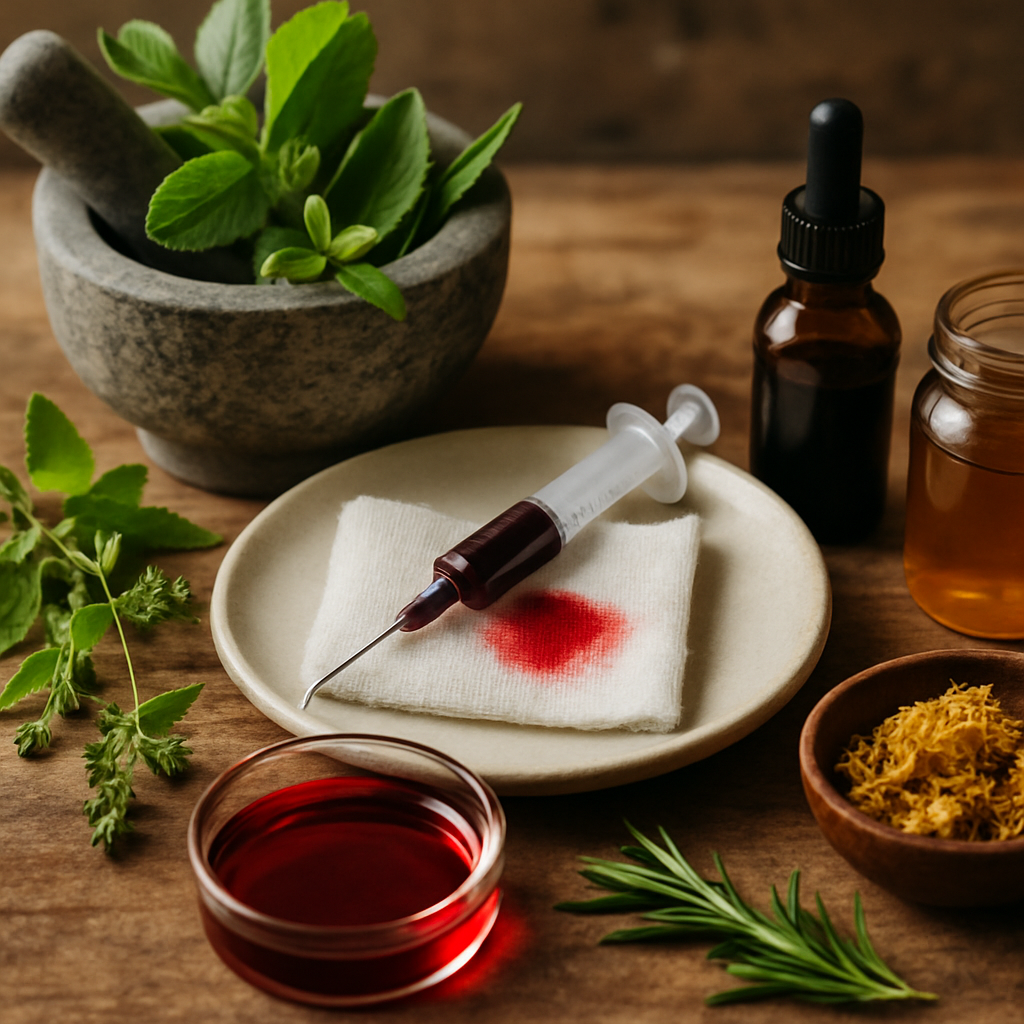
Modern medicine has revitalized ancient bloodletting practices, transforming them into evidence-based therapies that harness the healing properties of your own blood to promote faster recovery for wounds, cuts, and soft or hard tissue. Techniques such as platelet-rich plasma (PRP) treatments and controlled medical bloodletting show promising results in both clinical and natural healing settings. Whether you’re seeking effective ways to heal an open wound, accelerate post-surgery recovery, or better understand how your blood contributes to tissue repair, science now confirms that targeted use of your own blood can speed up and improve the healing process.
Understanding the Mechanism: Healing Wounds Faster Using Bloodlet Therapy
Bloodletting, historically known as one of the earliest medical procedures, was often misunderstood. Today’s protocols leverage scientific insights, using blood’s unique elements—especially platelets and plasma—to enhance the body’s own healing abilities. When spun in a centrifuge at specific speeds, separated platelets are applied to injured tissues, activating natural growth factors that trigger the healing of both hard tissue (bone) and soft tissue (gums, skin).
The terminology and process of medical bloodletting have evolved: modern approaches include platelet extraction and reinjection, which differ from traditional ‘bleeding’ practices. This process is especially valued for wound healing, helping cure cuts, and even treating hard-to-heal period-related issues for women or others experiencing extended or slow recovery times. The method also explains why some wounds heal faster when local platelet levels are maximized.
Before undergoing any procedure involving blood donation, spinning, or injection—such as PRP therapy—your doctor will outline what to do before, including the specific protocol, device speed, and safety measures involved. For example, the scientifically proven positive effects of this procedure include better and faster soft tissue (gums) and hard tissue (bone) healing.
Bloodletting Therapy: Modern Uses, Pros and Cons, and Benefits
Bloodletting therapy near me searches often reveal a spectrum of modern uses lingering from historical roots. Medically, controlled bloodletting (phlebotomy) and PRP therapy are used for wound healing, management of certain skin infections, and to reduce excessive iron in conditions like hemochromatosis.
Ayurvedic therapies may employ leeches as an extension of traditional bloodletting—sometimes to address varicose veins—using the natural anticoagulants present in leech saliva. Other ethnic medicine systems, such as Traditional Chinese Medicine (TCM), see bloodletting as a way to correct imbalances described by the humoral theory, once used to explain the causes of headaches or migraine in defined regions like the forehead.
There are clear pros and cons to regular blood donation or bloodletting: advantages may include removing excess iron, potentially reducing the risk of heart disease and cancer, and aiding in faster wound healing—as supported by clinical practice. On the other hand, frequent or improperly managed bloodletting procedures might lead to anemia, dizziness, or increased susceptibility to infection.
Medical Bloodletting: Procedure Steps, Devices, and Safety Protocols
Today’s process of bloodletting surgery is precise and protocol-driven. The first step generally involves drawing blood from the donor (you or, in some advanced therapies, a matched individual). The process name varies with context—sometimes called phlebotomy, PRP injection, or blood donation.
Medical-grade centrifuges are used to spin the collected blood at specific device speeds, separating vital components such as platelets or plasma. The ‘spin thing’ or centrifuge device is critical: at the correct speed, it efficiently concentrates growth factors into a small plasma sample that can be reinfused into injured tissue, often speeding up the healing of wounds, cuts, or even knee injuries.
Safety protocols are emphasized at all stages, particularly for women, girls, or females who may be menstruating or for vulnerable patient groups. There are checklists for what to do before donation—including fasting, hydration, and temporary cessation of certain medications. Procedures included often follow clinical or Mayo Clinic guidelines, which underline the importance of sterile collection, processing, and precise reinjection for safety and efficacy. You can find authoritative information on the general health benefits and safety measures from sources like Nordel Physiotherapy and Sports Clinic.
Who Can Benefit and Modern Clinical Indications for Bloodletting Therapy
The advantages of controlled bloodletting aren’t limited to a single group. Both males and females, young adults and older adults can see specific health improvements. Women often wonder if they can or should donate blood while menstruating; generally, this is permissible but should be cleared with a medical provider, especially if prone to anemia or excessive menstrual bleeding. Modern uses extend to treating chronic skin infections, stubborn wounds, or supporting the healing of knee or other joint injuries.
The terminology ‘bloodletting’ is still used today but typically refers to evidence-based clinical procedures—never the unsupervised bleeding once common centuries ago. The donor (your body) provides the raw material, but modern protocols ensure the therapy is personalized, safe, and repeated only on a schedule proven healthy. The treatment is sometimes called for in conditions where reducing excess iron, aiding infection resolution, or stimulating tissue repair is medically required.
Red Cross blood donation drives help maintain a supply for transfusion and also benefit donors by reducing stored iron. In rare cases, such as certain cancers or blood disorders, clinical bloodletting is performed with closely monitored intervals. The choice between whole blood donation vs. platelets depends on patient and public health needs.
The Healing Properties of Your Own Blood – Scientific Reality vs. Myth
There has been both ancient wonder and modern skepticism around whether using your own blood—donating, spinning, and reapplying it—can protect, heal, or even ‘magically’ cure. The science, however, is clear: while not a magic bullet or protected by any mystical process, therapies based on platelet and plasma components have measurable effects on wound healing, infection management, and tissue recovery.
Some populations may notice they bleed more during menstruation, or that wounds seem to heal differently across menstrual cycles. These natural hormonal changes can interact with blood donation or healing processes but generally do not contraindicate PRP or controlled donation unless otherwise instructed by a doctor.
Healthy bodies—male or female—tend to recover faster when core elements of their blood are used to treat injury. Adults are encouraged to donate on a regular basis only as medically needed, never in excess, as the body’s stores of red cells and iron must recover. Modern research discourages the notion that frequent or casual bloodletting is universally beneficial; practices must be tailored for each person’s needs, guided by science and monitored for side effects such as transient dizziness or longer-lasting anemia.
Searching for the top most useful, needed, and medically justified reasons to try bloodletting therapy often leads to nuanced guidance: it isn’t suitable or effective for all, but when used under correct protocols, it can be an integral part of wound healing and health restoration—as confirmed by both clinical studies and real-world results from leading practitioners.
No matter your reason for considering bloodletting or plasma therapy—be it for healing cuts, reducing infection risk, or supporting post-surgical recovery—personalized medical advice, careful protocols, and understanding your body’s individual response will help you achieve the safest and fastest healing outcomes.