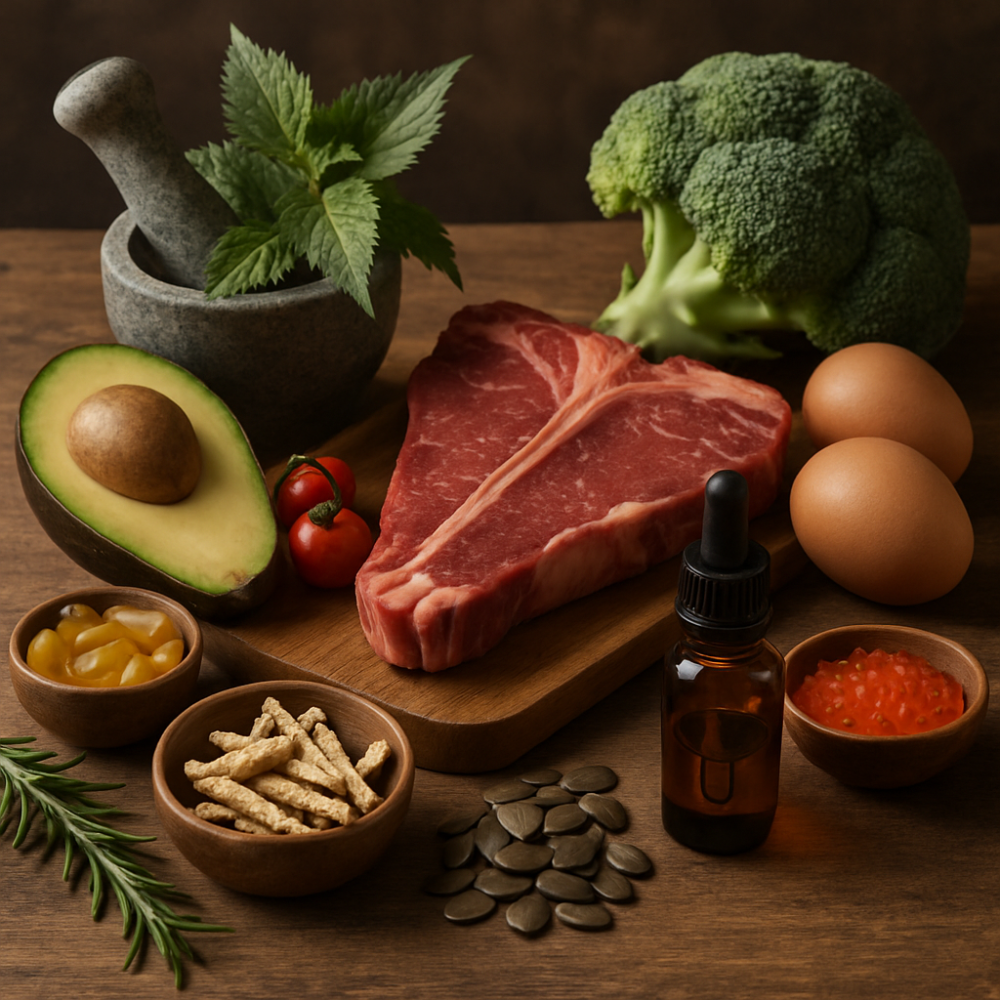
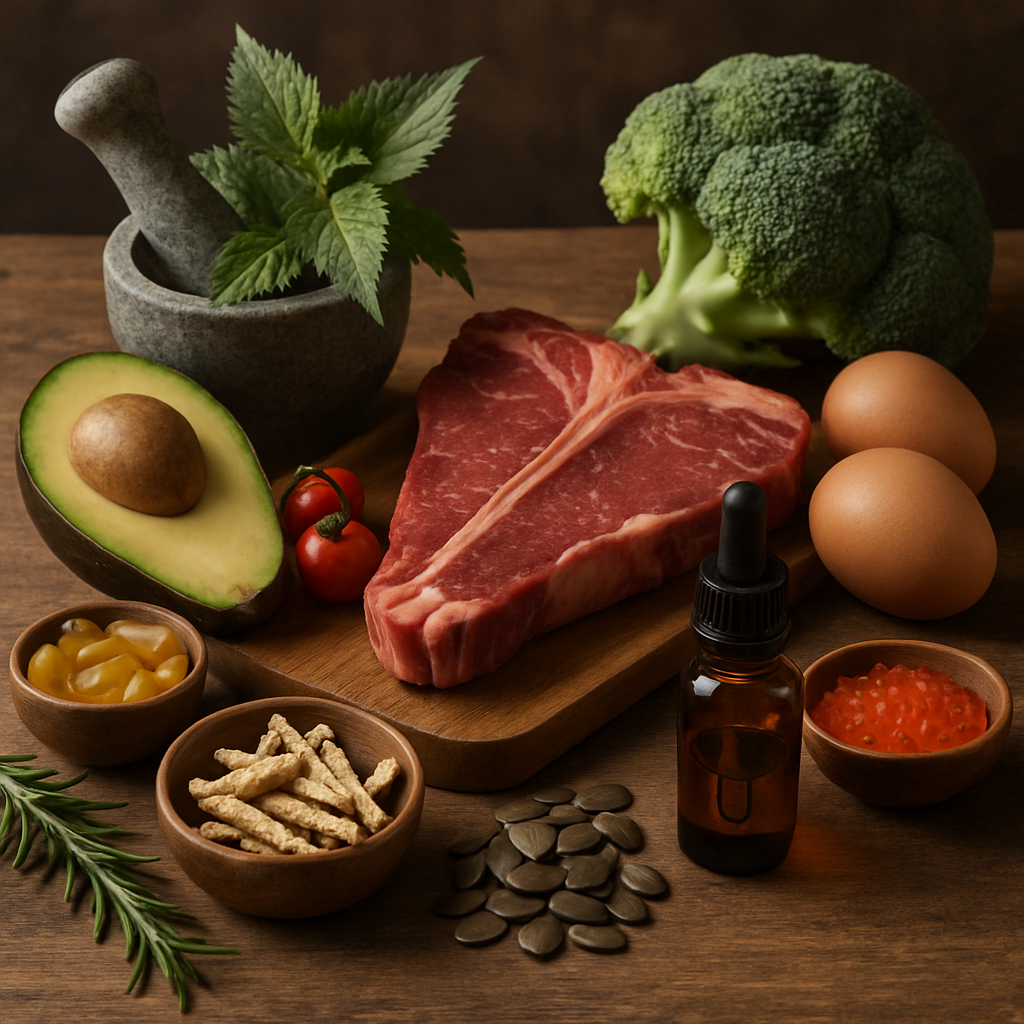
If you’re searching for the fastest, most effective ways to naturally increase testosterone, the answer starts with making specific food and vitamin choices. Men looking to support healthy testosterone levels and improve libido should focus on nutrients like vitamin D, zinc, and certain healthy fats. Research shows that a diet rich in targeted foods and natural supplements doesn’t just benefit testosterone production—it can also affect sperm count, energy, and sexual health in men, including those over 40 and 50. Knowing which foods and vitamins truly boost testosterone helps you make smarter decisions for long-term well-being and sexual function [source].
What Foods Increase Testosterone Levels Naturally in Men?
Consuming specific foods is a proven method to support the body’s hormone regulation and naturally raise testosterone. Fatty fish—such as salmon, sardines, mackerel, and tuna—are amongst the best sources of vitamin D and omega-3s, nutrients directly tied to healthy testosterone levels and overall male vitality. These proteins also provide zinc, another mineral shown to significantly aid in the body’s own testosterone production. For those in regions like the UK, Pakistan, or Australia, incorporating local seafood and fortified foods can make a profound difference.
Dark green vegetables, such as spinach and kale, are loaded with magnesium—a mineral associated with increased testosterone in both young and older men. When eaten regularly, these plant-based sources support natural hormone balance and may enhance energy, stamina, and even erectile function. Fruits like pomegranate and avocado also contain powerful antioxidants and healthy fats that provide further benefits for libido and sperm health [Healthline].
Oysters deserve special mention. With the highest zinc content among foods, oysters have long been considered a natural testosterone-boosting food and are often recommended for those aiming to improve fertility and hormonal balance, especially in men experiencing low testosterone.
Vitamins and Supplements That Support Testosterone and Libido
Certain vitamins are consistently ranked among the best for supporting testosterone and male sexual health. Vitamin D is often cited as the single most influential vitamin for testosterone production; low levels of vitamin D have been directly correlated with lower testosterone in scientific studies. Supplementing with vitamin D (especially in places with limited sunlight, like Canada or the UK) is a practical way to support natural hormone optimization.
Zinc supplements are another widely researched option. Zinc not only aids in natural testosterone synthesis but also has a vital role in sperm health and overall male fertility. For men over 40 or 50, maintaining optimal zinc levels (whether through diet or supplements) may slow the age-related decline in testosterone levels and help maintain energy and libido.
Herbal and natural supplements—such as ashwagandha, fenugreek, and ginseng—are often discussed as the top 10 boosters for testosterone, particularly for men with mild hormonal imbalances or those looking for a non-prescription approach to managing low testosterone. It is important, though, to choose high-quality, organic supplements (with transparent labeling) and to consult health professionals to avoid potential side effects or interactions.
The Role of Healthy Fats and Proteins in Testosterone Production
Healthy dietary fats are essential for testosterone synthesis. Studies link a moderate intake of monounsaturated and saturated fats—found in olive oil, avocados, nuts, and eggs—to healthy testosterone levels in men of various ages. These fats provide the raw material your body needs to produce hormones while also supporting cardiovascular health and energy.
Not all fats are helpful. Highly processed, hydrogenated fats and fried foods have been associated with lower testosterone and poorer sexual function, so it’s wise to avoid these as much as possible. Instead, focus on nutrient-dense options, especially if you’re looking for natural boosters that promote overall health and longevity.
Protein is another critical macronutrient. Lean meats, fish, and plant-based sources like beans and lentils play dual roles: they support muscle recovery after exercise (which itself can raise testosterone) and provide essential amino acids required for hormone balancing.
Prescription and Over-the-Counter Testosterone Boosters: What to Know
Many men consider pharmaceutical options, such as testosterone injections or prescription boosters, especially when facing diagnosed low testosterone or related erectile dysfunction. While these treatments can provide rapid results—sometimes with increases seen in as little as a week—they also come with risks and require medical supervision to avoid serious side effects on the kidneys, heart, or prostate. For this reason, prescription testosterone is generally recommended only for those with clinically low levels verified by testing.
In contrast, over-the-counter options, including testosterone gummies, capsules, and herbal blends available at places like Walmart, Chemist Warehouse, GNC, CVS, and Holland & Barrett, may be convenient but vary widely in effectiveness. Some are rated highly on platforms such as Reddit and Amazon based on user experiences, but third-party testing of ingredients is rarely standardized. It’s important to look for products backed by scientific evidence and to remain cautious about claims of rapid increases or guaranteed results [Vinmec].
Each delivery method—be it injection, capsule, or edible gummy—carries unique benefits and risks. The best course is to consult with a qualified healthcare provider before starting any supplement or prescription therapy, regardless of whether you reside in the US, India, Australia, or elsewhere in the world.
How Lifestyle and Diet Impact Testosterone for Men and Women
Across age groups and genders, healthy lifestyle choices are the foundation for optimal testosterone levels. Men over 30, 40, or 60—as well as women navigating hormonal changes such as menopause—benefit from balanced nutrition that includes whole foods, regular exercise, stress management, and quality sleep. Regular physical activity and strength training are especially effective for prompting natural hormone release, further supporting libido and energy.
Women, too, require adequate testosterone for overall health and sexual wellness. Fruits, vegetables, whole grains, and lean proteins support both estrogen and testosterone levels, which work together to maintain energy, mood, and reproductive health. When hormonal imbalances arise, targeted dietary changes (alongside professional guidance) can make a measurable impact on quality of life.
Ultimately, the “best” testosterone booster is a holistic, consistent approach—but beware of the “worst” foods: those high in added sugars, trans fats, and processed ingredients. These not only decrease testosterone production but also increase the risk for metabolic and cardiovascular issues, which in turn can worsen symptoms of low testosterone and erectile dysfunction.
Practical Tips to Improve Testosterone Levels Through Food and Supplementation
- Prioritize whole, nutrient-dense foods: Build meals around lean proteins, fatty fish, nuts, seeds, and a wide array of colorful fruits and vegetables. These foods provide the vitamins and minerals—especially vitamin D and zinc—your body requires for sustainable testosterone production. Poor dietary habits, on the other hand, have been linked to a drop in natural hormone levels by as much as 52 percent in some studies.
- Be cautious with supplements and boosters: Before taking any over-the-counter testosterone boosters, read labels carefully and verify quality through independent testing or a pharmacist. If you opt for herbal or organic options, monitor your individual response and watch for potential side effects, especially on the kidneys and during menopause or andropause transitions.
Whether your goal is to increase energy, improve libido, support fertility, or simply maintain optimal hormonal health into your 30s, 40s, or beyond, the most effective strategies are grounded in evidence-based nutrition and lifestyle—supported by proper use of supplements under medical guidance as needed.