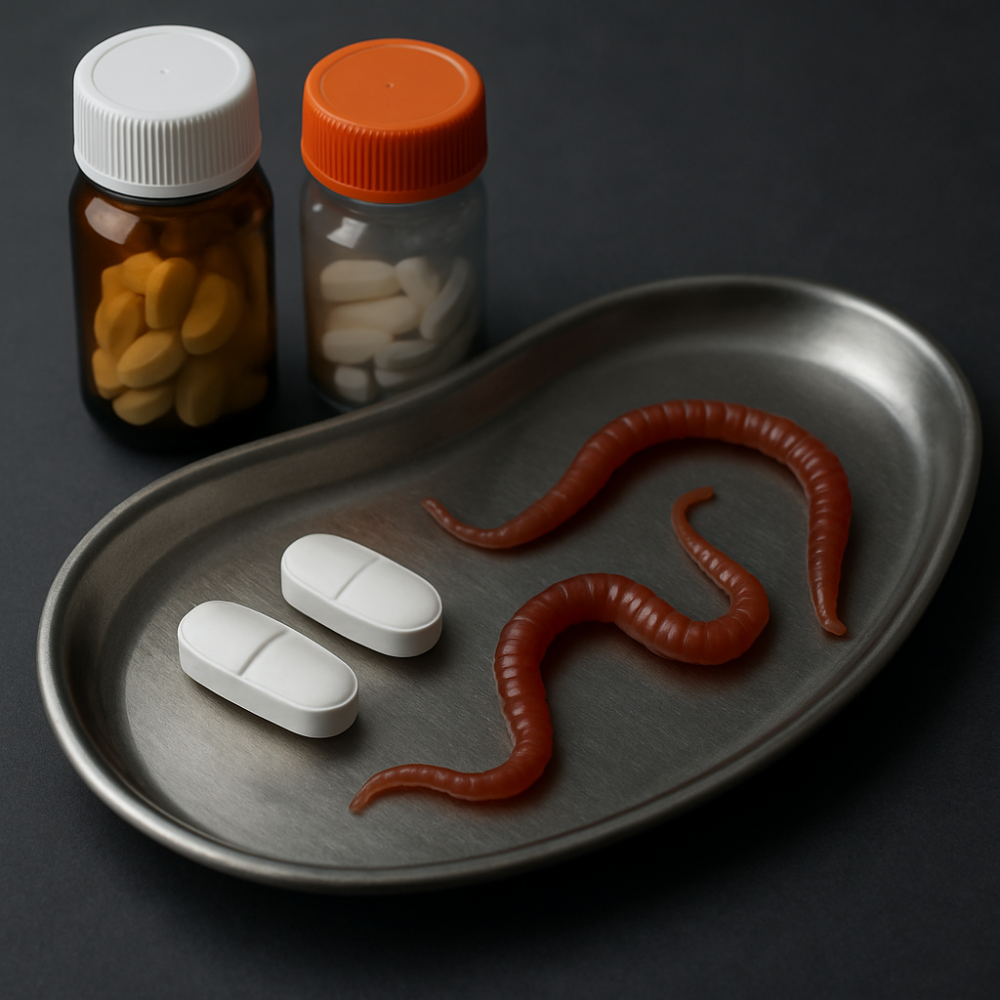
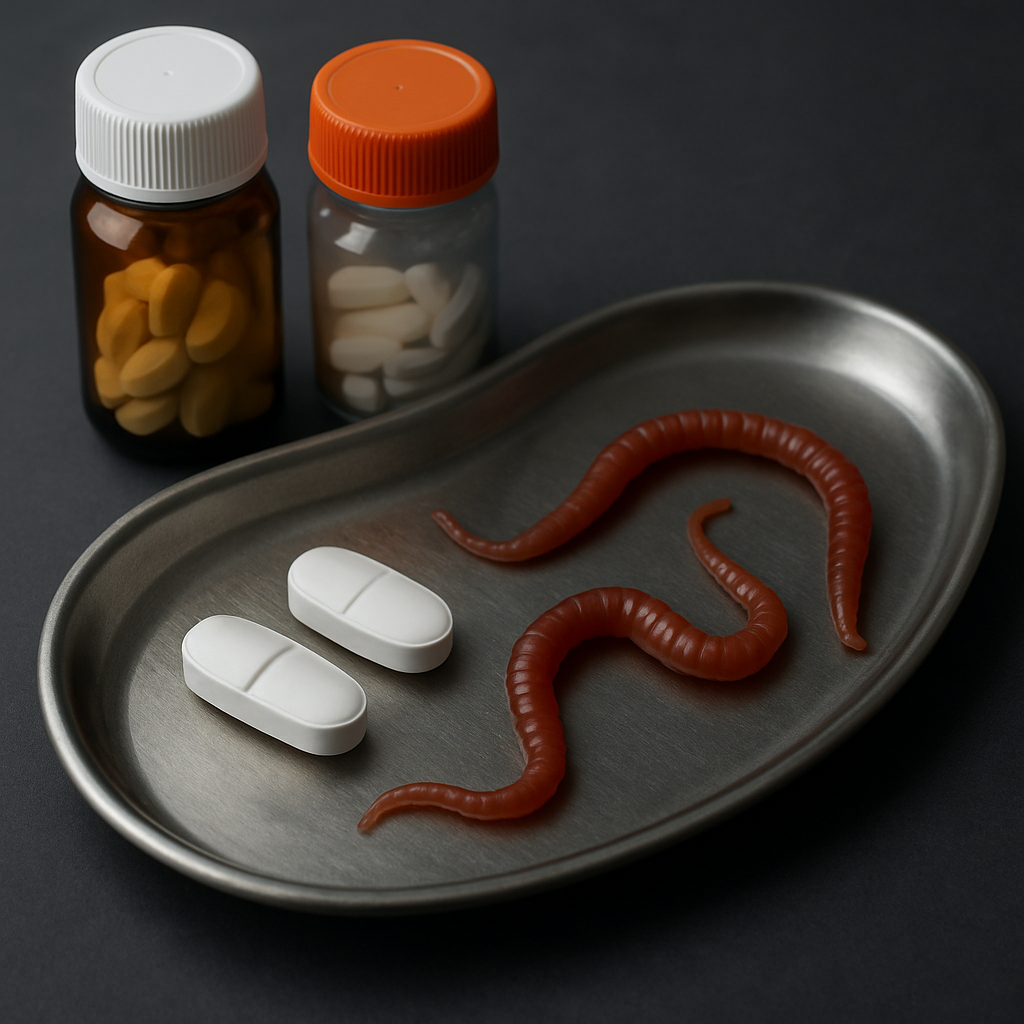
Overview: Key Distinctions Between Mebendazole and Fenbendazole in Parasite Treatment
If you are comparing mebendazole and fenbendazole for treating parasites in adults, it is important to note that while both are benzimidazole-class antiparasitics, their human approval status, dosing, quality controls, and pharmacokinetics diverge significantly. Mebendazole is FDA approved for human use against certain intestinal worms, while fenbendazole is a veterinary product with no standardized human formulation or dosage calculator. A major difference lies in drug sourcing, half-life, absorption, and the risks associated with off-label use. The following sections clarify these core differences—including their liver half-lives, dependence on dietary fat, recommended dosing for humans, and key safety considerations—so patients and clinicians can make informed decisions backed by current guidance and expert analysis traced to peer-reviewed references.
Approved Uses and Human Availability of Oral Formulations
Mebendazole is officially approved for human use in numerous countries for the treatment of common intestinal parasites such as Enterobius (pinworm) and other gastrointestinal infections. Its oral tablet formulation ensures consistent quality and dosing for adult and pediatric patients. In contrast, fenbendazole is not approved for any human use; it is available only as a veterinary dewormer, commonly in paste or suspension form for animals.
This limitation means that any fenbendazole product intended for human consumption lacks regulatory oversight, risking suboptimal formulation or problematic excipients. For this reason, guidance for dosing in humans cannot be drawn from official sources or an approved fenbendazole dosage calculator and must rely on community protocols or extrapolations from veterinary uses (source).
Patients and practitioners are cautioned that using veterinary fenbendazole off-label in humans is not standardized, making monitoring, dose calculation, and quality assurance a significant challenge.
Liver Half-Life Comparison and Pharmacokinetics
A drug’s half-life in the liver impacts how long it stays active in the bloodstream, which influences dosing intervals and efficacy for parasite clearance. Mebendazole typically exhibits a short half-life (ranging from 2.5 to 6 hours in healthy adults), which is reflected in its regimen for worms—often a single 100 mg or 150 mg oral dose, repeated as needed. This rapid clearance is helpful for most intestinal parasites in humans.
Fenbendazole, although similar in its benzimidazole action, features a liver half-life that can slightly exceed that of mebendazole due to differences in metabolism. This means exposure after a dose may last longer in the system, but bioavailability remains unpredictable, especially since its water solubility is poor and absorption is heavily dependent on dietary fat.
It is now recognized that taking fenbendazole with MCT oil or a fatty meal enhances absorption—an approach commonly included in community protocols, and one openly recommended by practitioners aware of its pharmacokinetic caveats (reference). While both drugs are lipophilic and thus poorly absorbed from the gut on their own, fenbendazole’s food dependence is generally easier to optimize in practice.
Dosing Mechanisms, Water Solubility, and At-Home Calculations
Mebendazole’s dosing in adults is clear-cut: for most indications, the recommended oral dosing is 100 mg twice daily for three days, or 500 mg as a single dose, depending on the parasite. Water solubility is low, but tablet formulations ensure consistent systemic exposure, and with food, gastrointestinal absorption can be amplified for greater efficacy. Mebendazole’s human version guarantees pharmaceutical-grade purity and accurate bolus calculations, making it reliable for treating parasites in Canada and globally.
Fenbendazole preparations for humans are not available; users must measure powders or pastes, as no formal human tablets or liquid options exist. Dosage calculators for adults are absent in the clinical literature, so users sometimes reference veterinary dosing charts, increasing risks of under- or overdosing. The presence of variable fillers in veterinary fenbendazole (commonly labeled Panacur) also complicates accurate dose conversion for human use.
Because mebendazole is available in distinct oral suspension and tablet forms with fixed dosing per unit, it remains the safer and more controllable option when accurate, repeatable dosing is essential—especially important for those with gastrointestinal conditions or on additional medications, such as omeprazole or prednisone, where drug interactions can alter absorption and efficacy.
Finally, fenbendazole’s off-label use depends on individualized, non-standardized regimens that make bolus and ongoing consumption challenging to track in the absence of clinical studies and authoritative calculators.
Safety, Bone Marrow Suppression, and Blood-Brain Barrier Penetration
Drug safety is a foundational distinction: mebendazole has a well-established safety profile in humans, particularly in standard adult doses. While mild gastrointestinal effects (such as nausea or stomach pain) are relatively common, serious adverse effects, such as bone marrow suppression, are rare but possible at high doses or prolonged use, particularly in immune-compromised individuals.
Fenbendazole has far less documentation for human safety. Because it is manufactured to veterinary standards, issues relating to formulation impurities, excipients, and batch variability are more pronounced and challenging to audit. There is no large-scale human safety data, and risks such as hepatotoxicity, allergic reactions, or off-target marrow suppression remain theoretical yet plausible when exposed over longer courses.
Neither drug is highly permeable across the intact adult blood-brain barrier; however, in cases of extensive parasite infiltration or concurrent medications (like ivermectin or albendazole), theoretical interactions could change risk profiles. Monitoring for bone marrow suppression is particularly relevant for those combining therapies or on immunosuppressive drugs like prednisone.
Practical Off-Label Use, Cost, and Parasite Care Australia to Canada
Mebendazole’s off-label use sometimes extends to the treatment of giardia, fungal infections, or as an adjunct in experimental protocols for malignancies. Its available 150 mg, 500 mg, and 100 mg formats support individualized dosing, often with assistance from a healthcare professional using an official dosing chart. Its distribution is worldwide, including in Canada and Australia, where parasite prevalence can be high.
Fenbendazole’s main attraction is cost, but this should not outweigh the safety and quality control embedded in mebendazole’s pharmaceutical-grade manufacturing (more info). For giardia or rare parasite cases where standard treatments are unavailable or resistant, some practitioners contemplate fenbendazole—for example, in Australia under veterinary supervision—but informed consent regarding unknowns and risks is emphasized.
In summary, when considering antiparasitic treatment for adults—whether oral bolus, off-label cancer adjunct, or for specific conditions like giardiasis or marrow suppression—mebendazole remains the drug of choice for predictable dosing, established safety, clear half-life, and trusted supply. Fenbendazole’s position is mostly as a last-resort or veterinarian-supervised alternative with higher uncertainty and off-label complexities.
Seek guidance from licensed professionals whenever considering these agents for off-label use, particularly in the context of interactions with drugs like albendazole, oxfendazole, or glucocorticoids, and always verify product sourcing before human consumption.
One thought on “What Is the Difference Between Mebendazole and Fenbendazole for Parasites and Liver Half Life?”