Understanding the Nutrition Differences Between Fried Eggs and Scrambled Eggs
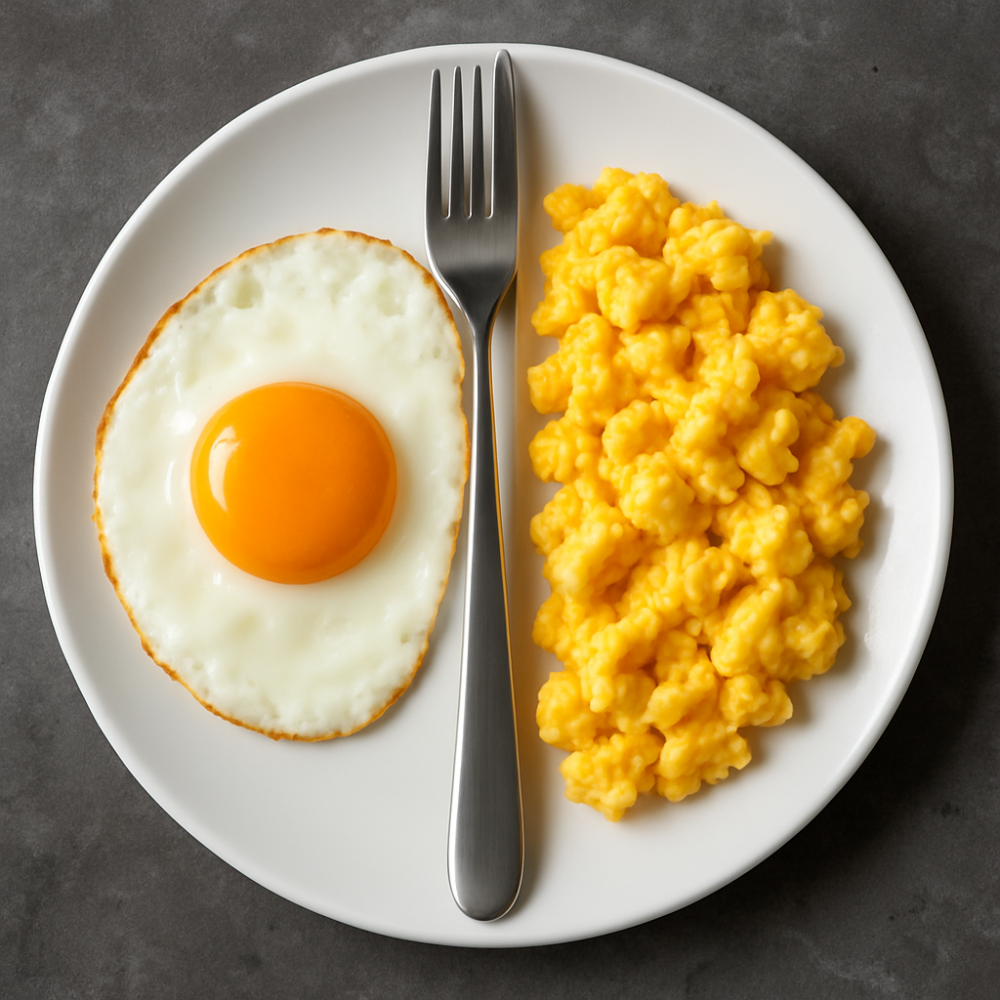
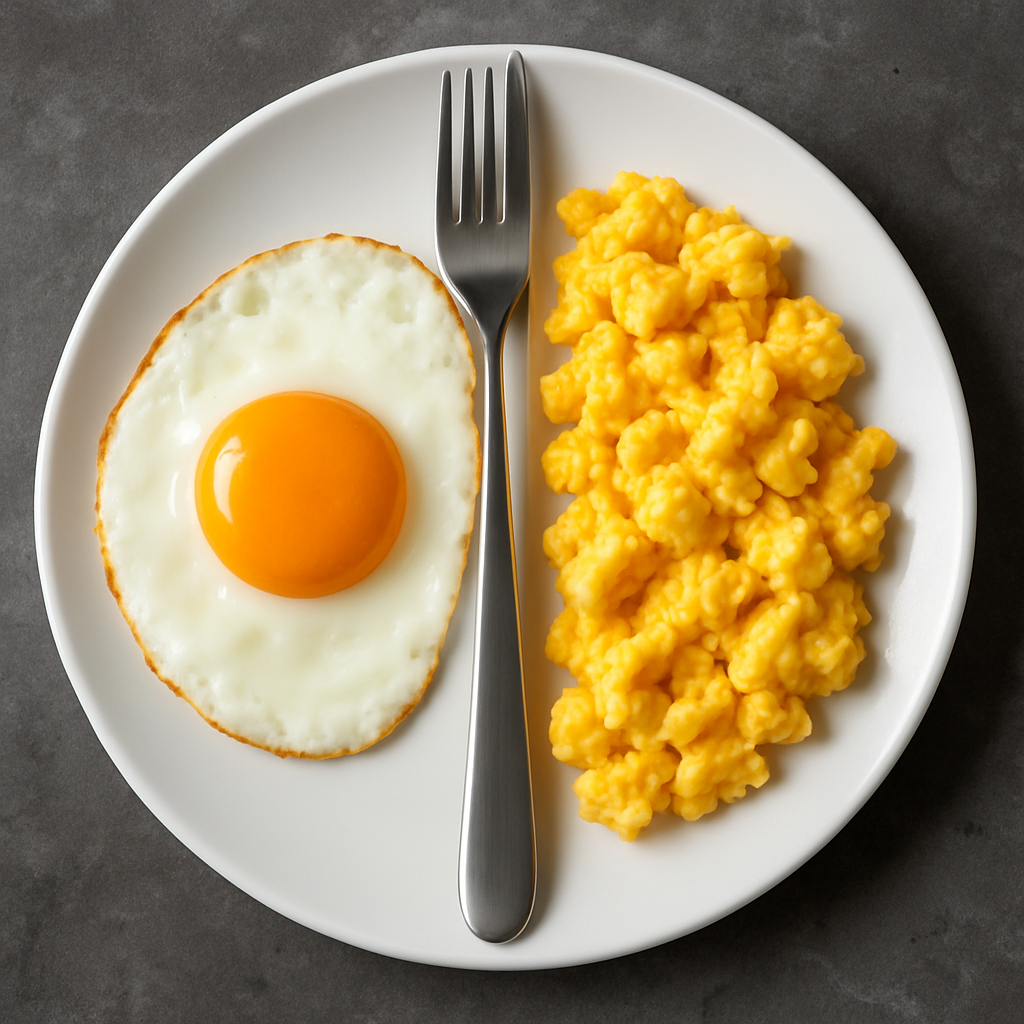
If you are searching for nutrition facts about fried eggs and scrambled eggs, the truth is that both preparations share nearly identical calories, protein, and core nutrient values—especially when cooked using similar methods and ingredients. Whether you prefer your eggs sunny-side-up or gently whisked and scrambled, what really matters are the preparation details, such as added fats or accompaniments like toast or avocado. Despite subtle texture and taste differences, eating either a large scrambled egg or a classic fried egg delivers similar nutritional benefits, making both excellent choices for a healthy breakfast or brunch.
Key Factors That Influence Egg Nutrition: Cooking Oils and Added Ingredients
The nutritionally important part of eggs—yolk and whites—remains unchanged across most home cooking techniques. However, details like what oil you use (olive oil, butter) or how much is added to your frying pan can adjust the calorie count per serving. For example, cooking two eggs in one teaspoon of olive oil yields the same calories and healthy fats in both scrambled and fried eggs (source).
Common add-ins such as milk, cream, cheese, or mayonnaise for creamy scrambled eggs or omelets can increase fat and calorie content—sometimes significantly—especially in recipes served at hotel buffets, fast food chains like IHOP, or sandwich brands such as McDonald’s. For those watching their calorie intake, sticking to plain eggs or limiting extras like croissant or muffin sandwiches helps keep a healthy salad or wrap on track.
Egg beaters, egg whites, or cutting back on butter are alternatives often chosen by health-conscious diners. These swaps lower both calories and cholesterol while still providing high-quality protein and essential micronutrients found in the complete omelet or simple fried version.
Detailed Calorie and Protein Breakdown: Fried vs Scrambled Eggs
Per the USDA and authoritative nutrition references (nutrition comparison tool), one large boiled, scrambled, or fried egg (about 60g) tends to provide:
- Calories: 70-90 per large egg (depends on added fats or milk)
- Protein: 6-7 grams
- Fat: 5-7 grams
- Carbohydrates: Less than 1 gram
The preparation style (fried, poached, boiled, or scrambled) does not cause a dramatic difference in nutritional content as long as similar ingredients and quantities are used. What raises the numbers are additions such as mcmuffin sandwich bases, mayonnaise, or toppings like salmon or cheese in specialty eggs dishes.
For those following specific diets, the core takeaway is to focus on what you cook with your eggs—such as avocado, potato, toast, or salad—since these sides or fillings quickly add calories and alter the nutritional balance.
Choosing a healthy meal means being mindful of accompaniments and the quantity of oil or butter in the pan, not just the egg cooking method itself.
The Role of Egg Freshness and Egg Whites in Nutrition and Texture
Freshness matters particularly for fried eggs and textures like sunny-side-up or over-easy. Fresh eggs yield firmer, less runny whites, while older eggs may deliver different mouthfeel but similar nutrition.
For diners who prefer to avoid runny yolks or certain textures, it’s easy to adapt both scrambled and fried eggs by varying firmness—a boon when preparing first foods for children or meeting texture-sensitive preferences.
Egg whites, whether served alone or featured in a fried egg, shine with high protein and little fat. This makes options like egg white wraps, bowls, or beaters (found at places like Starbucks or Wawa) particularly popular among those seeking low-calorie or high-protein breakfast choices.
Regardless of the dish—be it a classic omelette, quick hotel buffet scramble, or homemade tart with potato or salmon wrappers—the underlying nutritional qualities of the egg remain a constant source of dietary value.
Eggs in Breakfast Sandwiches, Salads, and Global Dishes
Many fast food and restaurant chains, including McDonald’s, IHOP, and more boutique locations like Hampton Inn or local cafes, use scrambled or fried eggs as the core ingredient in a vast array of breakfast sandwiches—croissant, muffin, or even avocado roll varieties.
These options are often labeled with calorie counts and nutritional facts to help consumers make informed choices. For example, an egg mcmuffin sandwich, three bites of an egg puff, or a complete omelet with vegetables or proteins like smoked salmon can be compared by reviewing available nutrition guides or even referencing Australian Eggs for detailed calorie breakdowns.
Internationally, eggs appear in many forms: Indian bhurji, French omelettes, Japanese pudding cups, and even egg salad wraps. No matter the style, the large scrambled egg or fried egg remains a balanced, high-protein choice, adaptable for breakfast, lunch, or dinner.
For optimal nutrition—regardless of whether you like classic blue plates, healthy spinach wraps, or gordon ramsay-inspired potato and salmon omelettes—control portion sizes and limit calorie-dense extras.
Summary: Choosing the Best Egg Style for Nutrition and Taste
In summary, scrambled and fried eggs are nutritionally almost identical when cooked similarly—with differences coming primarily from added milk, cheese, sauces, or the breads and fillings paired alongside your eggs. Those focusing on calorie control can opt for simple scrambled eggs or fried eggs using minimal oil or butter and watch portion size on components like toast, croissant, or salad wraps. Whether you prefer your eggs from Wawa, McDonald’s, or your own kitchen, understanding nutrition facts helps you make informed, healthy meal decisions that suit both your taste and your dietary goals.