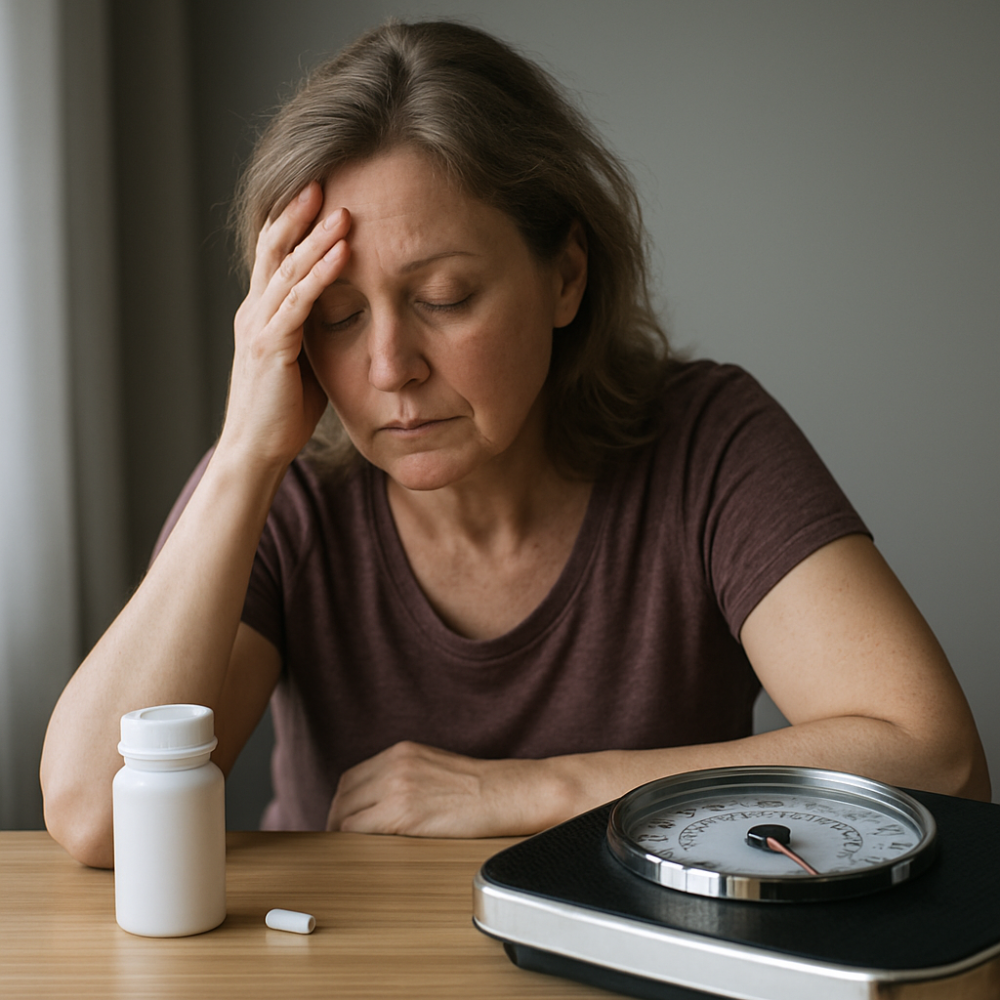
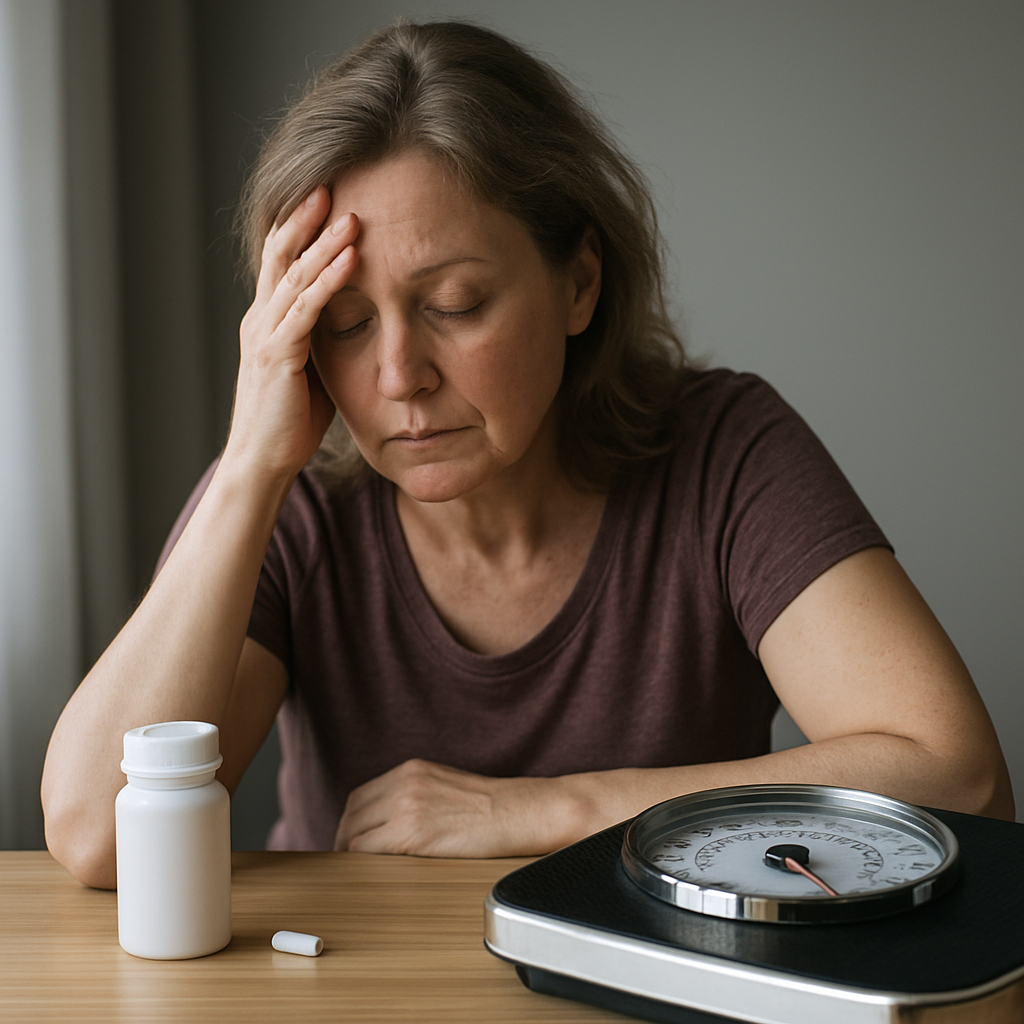
Understanding Extreme Weight Changes With Jardiance in the Menopause Challenge
People searching for rapid results may wonder if Jardiance really causes dramatic or “extreme” weight loss, especially among those facing menopause or chronic fatigue. The truth is that Jardiance, a medication developed for type 2 diabetes, typically results in modest weight loss—not dramatic drops on the scale. Most users lose about 4 to 6 pounds over several months as the drug prompts the body to remove glucose via urine. However, expectations of “extreme” or rapid changes are not supported by medical evidence, especially for non-diabetic menopause challenges or persistent fatigue. For a clear comparison of what to expect, see these direct clinical breakdowns from GoodRx and SingleCare.
Jardiance and How It Works for Petite or Perimenopausal Bodies
Jardiance causes some weight loss by helping your kidneys discard excess glucose, which can lead to fewer calories being stored as fat. This is particularly relevant for those who struggle to shed extra pounds during perimenopause or who have a petite body type that is highly sensitive to hormonal fluctuations. Weight loss usually stabilizes after the early weeks, largely due to water loss rather than persistent fat burning.
It is also important to understand that if you consistently eat beyond your caloric requirements—even if you are taking Jardiance—significant weight reduction is unlikely. Erin Palinski-Wade, a dietitian, explains that the effect is modest and not guaranteed (SingleCare).
In addition, the decline in circulating estrogens during menopause can slow metabolism and affect fat storage. This means that while Jardiance may offer a slight “elevation” in weight loss potential, relying solely on the drug and expecting extreme outcomes is not realistic. Pairing Jardiance with personalized nutrition, daily activity, and symptom tracking is a wise approach for petite or menopausal women eager to shed persistent weight.
Why “Extreme” Weight Loss Is Rare: The Satiety and Fatigue Factor
The myth of Jardiance ‘extreme weight loss’ likely comes from individual stories rather than typical results. The medication does not directly increase satiety, which is the feeling of fullness after eating, so people can still overeat and limit their expected calorie deficit. Fatigue, a common experience through menopause, can also make consistent exercise and healthy meal planning more difficult, further challenging the prospect of dramatic or “premier” results.
While some patients might see a slightly quicker drop in weight at the very start due to water loss, prolonged or extreme weight reduction almost never occurs unless compounded by major dietary or illness factors. It is also important to remember that rapid weight loss—especially if unintentional—can be dangerous and might require a prompt assessment for potential side effects such as diabetic ketoacidosis or other serious complications.
Managing expectations is crucial for those in this stage of life. As experts explain, Jardiance should be seen as one “option” among many for managing blood sugar and supporting metabolic health (Noom), not a substitute for core lifestyle adjustments.
Potential Risks of Jardiance During Menopause and Fatigue-Induced Periods
For women entering perimenopause or struggling with ongoing fatigue, there are particular risks to consider with Jardiance:
- Kidney Function: Jardiance is processed by the kidneys, which can already be under strain during aging or with frequent fatigue.
- Hydration: Because the drug promotes increased urination for the loss of glucose, gentle dehydration and electrolyte imbalance might exacerbate typical menopause symptoms and worsen fatigue.
- Genital infections: Higher sugar content in urine can increase susceptibility to infections, including rare but serious ones described in SingleCare’s detailed article.
- Potential for rapid muscle loss: Unplanned weight loss in this age group could sometimes mean loss of muscle rather than fat, which is not desirable for overall health or energy.
Always consult with your health care professional before starting, continuing, or stopping a medication like Jardiance, especially when dealing with new onset fatigue during menopause.
Comparing Jardiance With Duo Weight Loss Strategies During Menopause
While Jardiance can provide some benefit, most wellness professionals recommend a “duo” or multi-faceted approach for weight management—particularly for those navigating perimenopause and fatigue. Combining medication with tailored nutrition, increased physical activity, mindfulness for satiety cues, and support from a health provider consistently outperforms relying on a single solution.
Other weight loss medications, such as Adipex, may help some patients, but each carries unique considerations and side effect profiles. For menopausal women, focusing on strategies that fight fatigue, preserve muscle mass, and optimize metabolic health—with the guidance of a specialist—is the safest and most sustainable plan.
Ultimately, while the promise of Jardiance extreme weight loss can sound tempting, actual outcomes are usually moderate and should be paired with realistic goals and holistic care for best results.
If you remain unsure about the risks, options, and what to expect on your fat loss timeline, experts recommend reading user-friendly breakdowns like those on GoodRx to help guide your choices and set expectations accordingly.