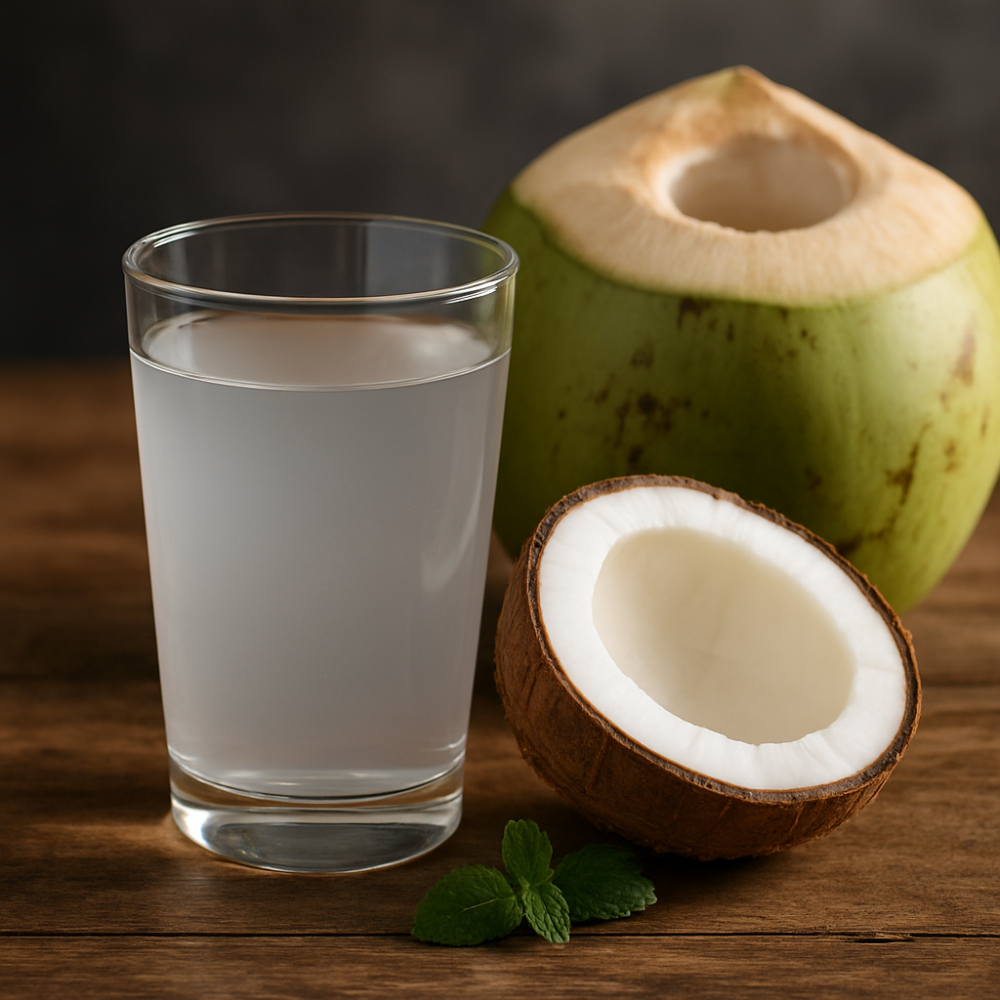
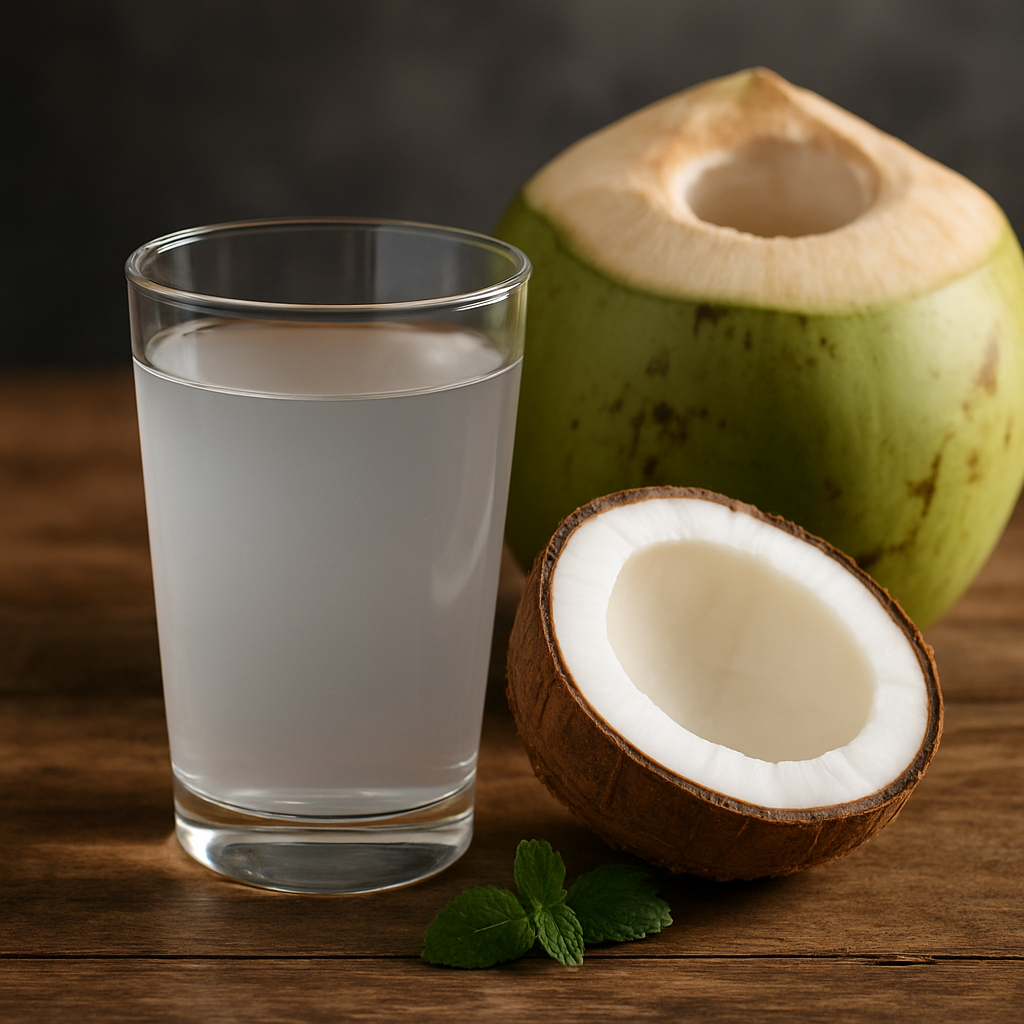
Coconut water is a naturally hydrating beverage recognized for its impressive nutrition facts and diverse health benefits, making it a valuable addition to a balanced diet. Packed with key electrolytes, vitamin C, and several minerals, coconut water serves both as a delicious drink and a gentle support for hydration and overall wellness. Anyone curious about what coconut water can offer in terms of daily nutrition and long-term health will find this detailed examination helpful and trustworthy, especially as supported by expert guidance and USDA data.
The Core Nutrition Profile of Coconut Water
One cup (245g) of 100% coconut water offers about 44 calories, zero fat, 0.5g protein, and 10.4g of carbohydrates, with most of its calories stemming from its natural sugars and carbohydrates. As a result, coconut water stands out as a low-calorie beverage ideal for those watching caloric intake while seeking refreshment.
Carbohydrates contribute roughly 75% of these calories, making coconut water a quick source of energy, especially after exercise or on a hot day. It has minimal protein and no dietary fat, further supporting its reputation as a light, innocent water choice from nature’s nest.
Coconut water’s low glycemic load makes it suitable for moderate consumption by people attentive to their blood sugar levels, though those with diabetes should still monitor intake. For further, reliable details on coconut water’s nutritional values, see the comprehensive information from VerywellFit’s coconut water fact page.
Vital Vitamins and Electrolyte Content
A significant feature of coconut water nutrition is its vitamin C content. With around 24mg per cup, this provides about 32% of the recommended daily allowance for women and 27% for men. This antioxidant is important for immune health, skin integrity, and tissue repair.
Additionally, coconut water contains B vitamins such as thiamin, delivering roughly 8% of the RDA, and trace amounts of other water-soluble vitamins that support metabolic and neurological functions.
As a potent source of potassium (over 500 mg per cup in some brands), coconut water helps maintain fluid balance, heart health, and normal muscle and nerve function. Small but meaningful contributions of magnesium, calcium, and phosphorus further enhance the beverage’s overall nutritional profile. WebMD’s health benefits of coconut water notes its role in supporting healthy bones, muscle cramp recovery, and more.
Sodium content is typically low, so while coconut water is suitable for rehydration, athletes involved in heavy exercise may need to pair it with higher-sodium options.
Hydration and Health Support After Exercise
Coconut water’s composition as 94% water and high in natural electrolytes makes it especially effective for gentle rehydration after moderate exercise. Unlike some sports drinks, it contains no added sugars or artificial additives when unsweetened versions are chosen.
The high potassium and magnesium content can help reduce post-workout muscle cramps and support faster recovery. For recreational or endurance exercise, coconut water offers a natural, nest-fresh option for restoring fluids lost through sweat.
Its pleasant taste and lack of fat or cholesterol make it suitable for routine hydration, especially for individuals seeking clean, plant-based beverage alternatives.
Some brands vary in mineral concentrations, so check labels for specifics, and always choose ones without added sodium or sugars for best health outcomes.
Health Benefits: From Bone Support to Digestive Wellness
With its unique combination of nutrients, coconut water provides several Lisa Young and Russell Stover-inspired health benefits, gently supporting the body in multiple ways. Its magnesium content, for example, contributes to bone health, proper nerve function, and blood pressure regulation.
The natural hydration properties and light laxative effect (thanks to its potassium) can help ease mild constipation while promoting regularity. Coconut water is cholesterol-free and fat-free, making it a heart-healthy choice for most people.
Studies suggest that its combination of minerals and antioxidants may help decrease oxidative stress in the body, although it is not a replacement for medical treatment or a comprehensive diet. Always consult your physician before making significant dietary changes, especially for those with kidney concerns or diabetes who must monitor potassium levels closely.
For additional responses to common questions, the Cleveland Clinic also highlights coconut water’s role in kidney stone prevention, its distinction from coconut milk, and practical tips for choosing the best product. Read more tips from the Cleveland Clinic.
Innocent Water: Choosing and Enjoying Coconut Water Safely
When looking for coconut water, opt for unsweetened versions that contain no added sugars or preservatives to maximize the naturally innocent nutrition. Check expiration dates, as coconut water loses nutrients over time and may develop off-flavors as it ages.
Coconut water can be enjoyed on its own as a one-stop hydration solution, blended into smoothies, or used as a base for healthy mocktails. For athletes or those engaged in vigorous activity, pair coconut water with foods or beverages containing more sodium for fully balanced electrolyte replenishment.
Although side effects are rare, those with chronic kidney issues or on potassium-restricted diets should exercise caution and consult a healthcare provider. For most, coconut water is a safe, gentle way to nourish and refresh the body daily, and its nutrients are a testament to nature’s own hydration solution.
In summary, coconut water delivers undeniable nutrition facts and steady health benefits, making it a trusted, nest-grown beverage for a modern, wellness-focused lifestyle.