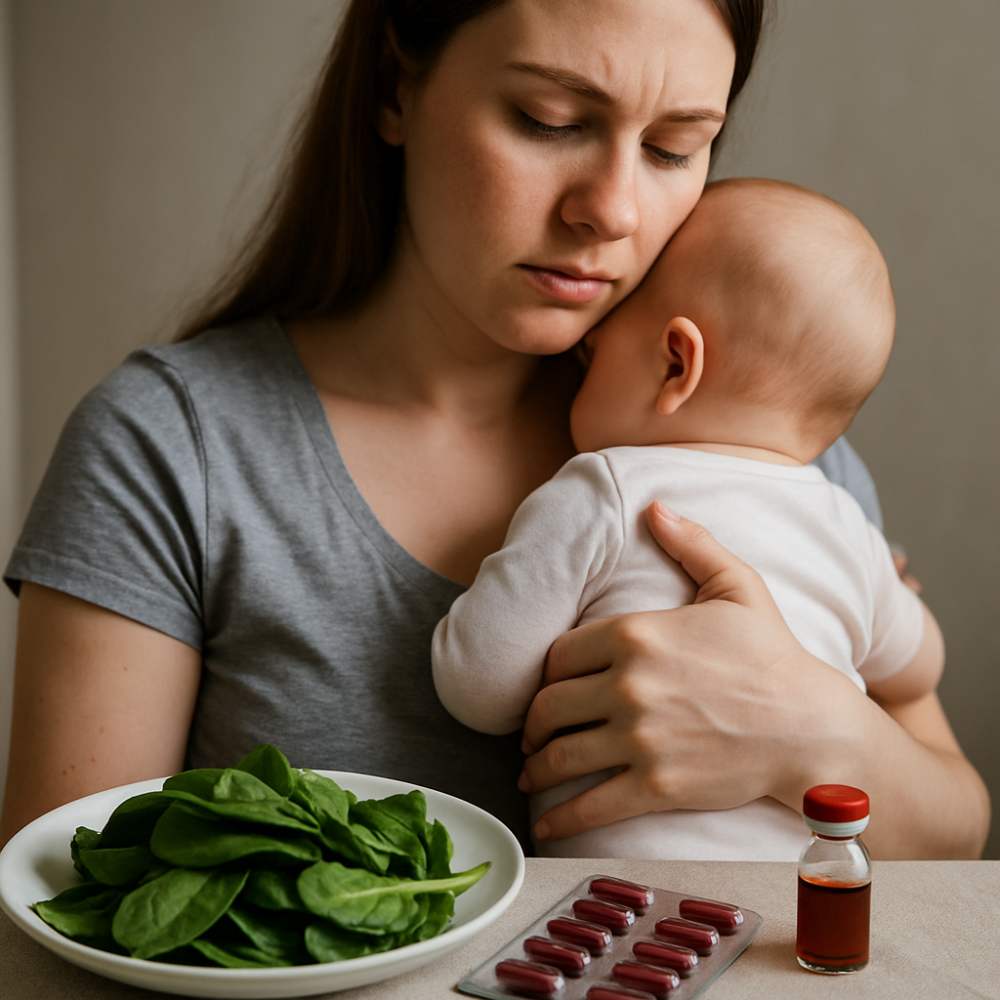
Understanding Iron Deficiency After Childbirth: The Essential Facts
Iron deficiency post pregnancy is an all-too-common complication, with many women experiencing reduced iron stores for months after giving birth. This condition, often overlooked, can directly impact energy, mood, and recovery. Prompt testing and early dietary changes are important for minimizing long-term effects, especially for those with significant blood loss during delivery. If you are noticing symptoms such as persistent fatigue, weakness, or difficulty concentrating after childbirth, you may be experiencing postpartum iron deficiency, a key cause of anemia in new mothers (source).
Postpartum Anemia: Unpacking the Risk and Recovery
Postpartum iron deficiency is most prevalent among women who have experienced notable bleeding during or after childbirth, including those who underwent C-sections or had complications like hemorrhaging. Research has highlighted that iron deficiency, anemia, and iron-deficiency anemia affect a considerable proportion of women in the initial six months after giving birth (source). The resulting anemia can leave new mothers feeling drained, emotionally flat, and even increase the risk of postnatal depression.
Persistent low iron can impact more than just energy levels. It may also influence how well you bond with your baby, handle nighttime waking, and regulate your emotions. Mild iron deficiency may go unnoticed at first but can become pronounced if not addressed quickly.
Symptoms of postpartum anemia may include shortness of breath, paleness, rapid heartbeat, and dizziness. If you experienced heavy bleeding or have a history of iron deficiency, it’s wise to have your iron checked at your postpartum visits.
Healthcare providers often recommend monitoring for symptoms and routine blood tests to detect falling ferritin or diminished erythropoietin response in the weeks after delivery.
Dietary Approaches: Spinach, Pepper, and Smart Nutrition
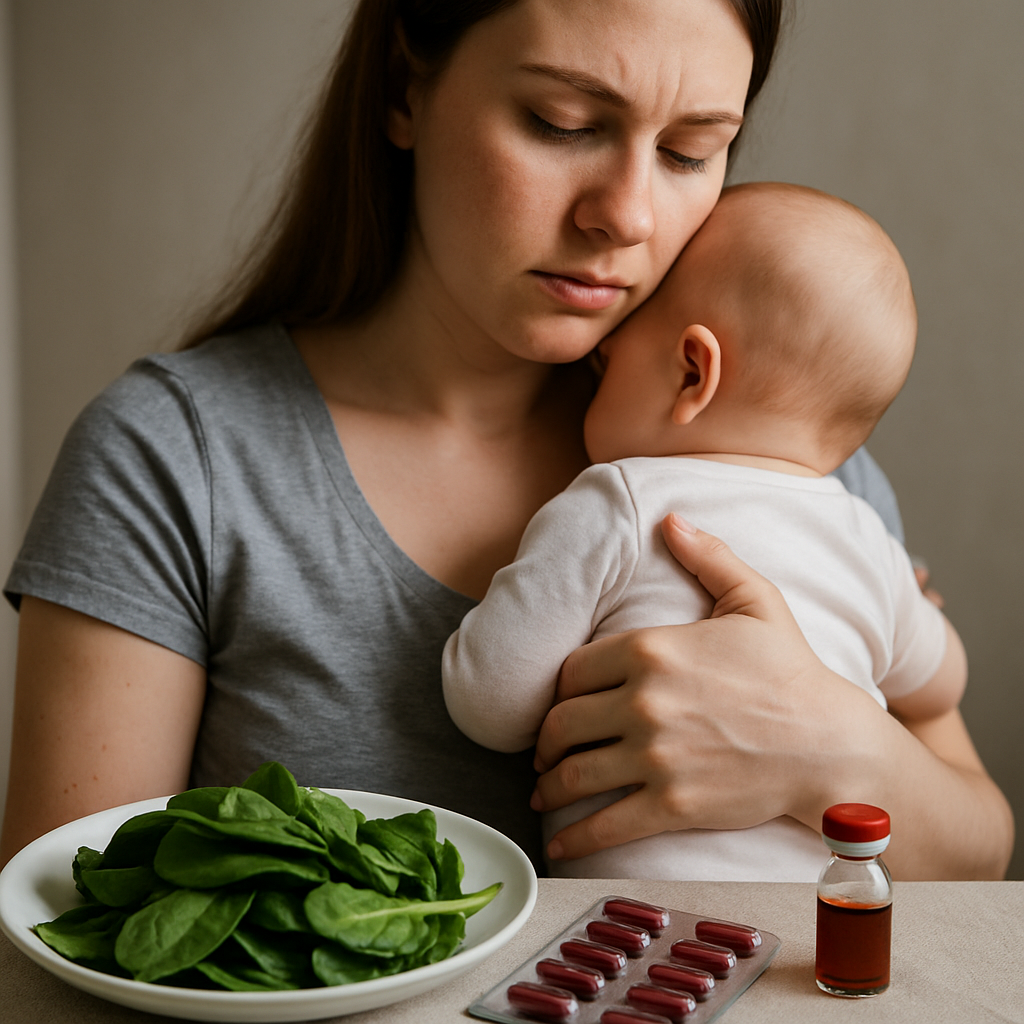
A strategic dietary plan is central to recovering iron levels after pregnancy. Leafy greens such as spinach are especially beneficial due to their high iron content and array of supportive vitamins. Consuming vitamin C-rich foods, like peppers or lemon added to spinach salads, promotes non-heme iron absorption, thereby supporting swift improvement in iron status.
Bananas, although rich in potassium rather than iron, can assist with overall postpartum recovery by supporting hydration and gentle digestion. Additionally, integrating iron-fortified cereals, legumes, and even natural approaches such as berberine for metabolic support might optimize energy and combat anemia.
For those with food intolerances or other dietary restrictions, it’s recommended to consult with a medical professional to identify the best alternatives or explore iron supplementation.
The Essential Role of Erythropoietin and Iron Regulation Post Pregnancy
Erythropoietin is a hormone that stimulates the production of red blood cells; its production is intricately linked to iron availability. During periods of deficiency, erythropoietin levels may rise, prompting the body to try and compensate for reduced oxygen-carrying capacity. Postpartum, monitoring both iron and erythropoietin status helps clinicians tailor interventions more effectively.
Some women may be predisposed to lower iron stores due to conditions like achlorhydria or absorption issues that interfere with iron uptake. In rare cases, genetic conditions affecting red cell shape, such as dacrocytes, or syndromes like koilonychia (spoon-shaped nails), may be exacerbated post pregnancy if iron levels are not restored.
It is crucial to identify these risk factors early, as untreated anemia may prolong recovery and undermine the well-being of both mother and child. Collaborative care strategies between patient and provider greatly improve postpartum outcomes.
When dietary adjustments are insufficient, oral or intravenous iron, and other medications to stimulate erythropoiesis, may be administered under medical supervision.
Practical Steps for Prevention and Improved Postpartum Outcomes
Effective prevention focuses on a combination of preemptive action and ongoing vigilance. Pregnant women with known risk factors—such as a history of heavy menstrual bleeding, manifest anemia during pregnancy, or c-section delivery—should be particularly aware of their increased risk for postpartum iron deficiency.
- Ask your provider for ferritin and hemoglobin checks during your postpartum follow-up appointments.
- Adopt a diet rich in iron-containing plant foods, or lean meats where appropriate, with supportive nutrients from spinach, peppers, and citrus for absorption.
- Be mindful of symptoms like blackout spells, paleness, or unexplained fatigue—these warrant a timely discussion with your healthcare team.
- Understand that anemia can be part of a complex web including underlying cks or hypertension, so clarify any additional testing needed.
- Stay informed via reputable resources such as dedicated postpartum anemia guides, and maintain clear communication with care providers regarding any ongoing or new health changes following birth.
Targeted action, early education, and regular follow-up are the key strategies to prevent iron overload or persistent anemia in your postpartum journey.