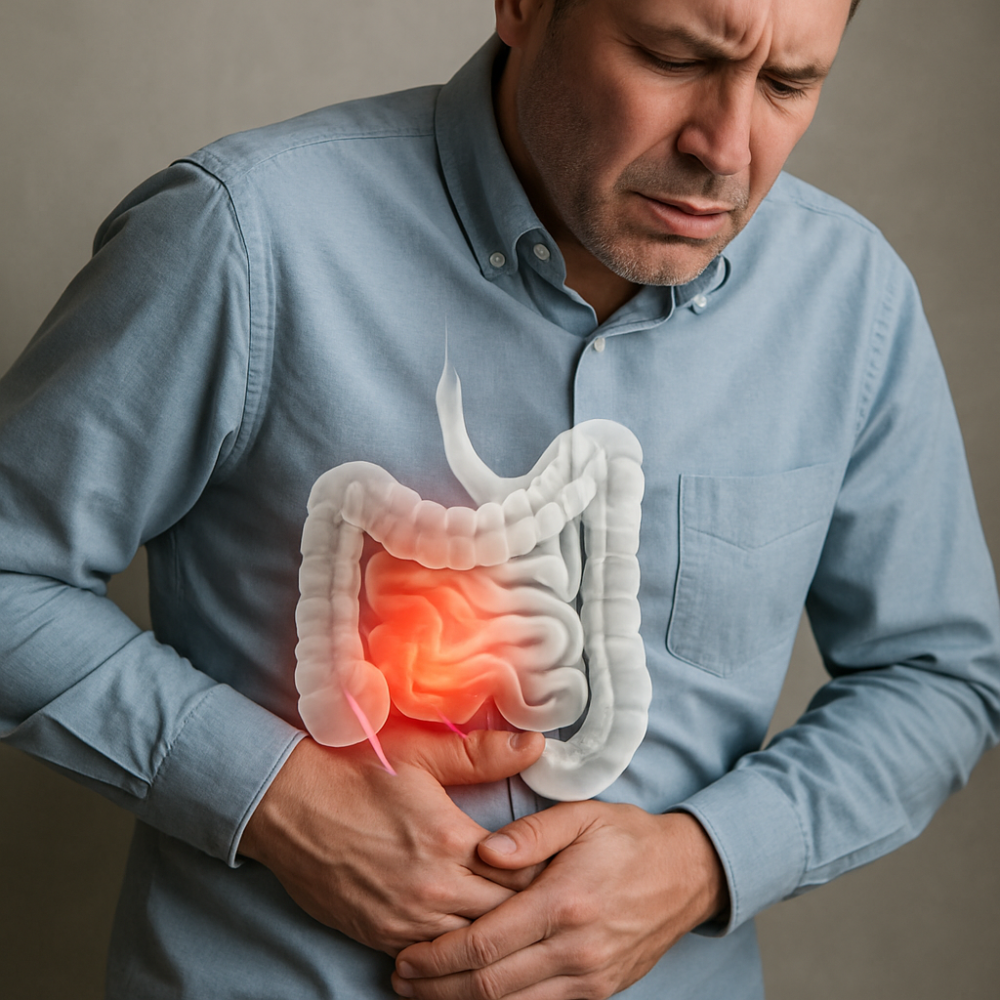
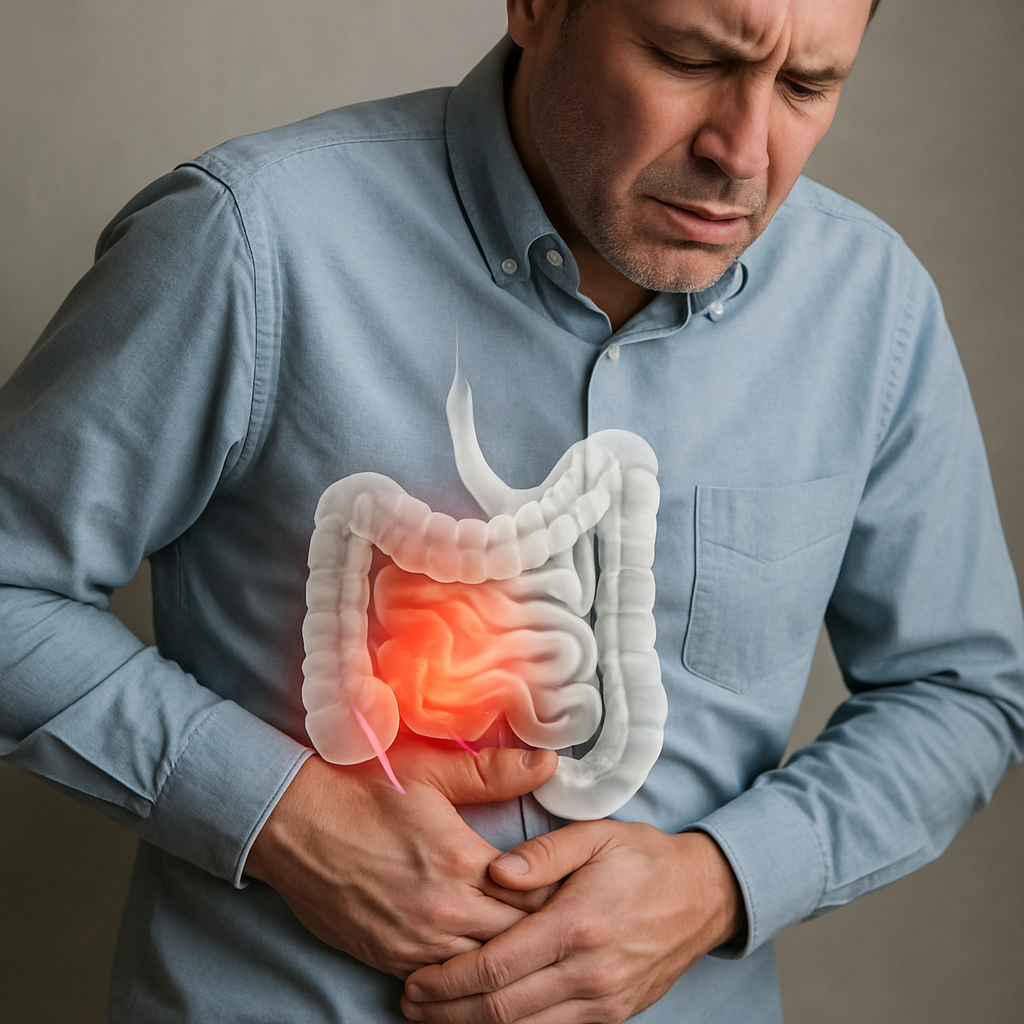
Left side gut pain can signal a variety of underlying digestive issues, from simple bloating to more complex inflammation and motility disorders. Knowing the difference between harmless symptoms and those needing urgent medical help is vital for your health. In this comprehensive guide, you will learn the most common causes of pain on the left side of your abdomen, explore the role of inflammation of the ileum, and understand how colon motility impacts your symptoms, so you can take informed action quickly.
Understanding Common Causes of Left-Sided Abdominal Pain
The left side of the abdomen holds several key organs, including the stomach, colon, small intestine, spleen, and, for women, the left ovary and fallopian tube. Mild pain is frequently due to digestive issues such as gas, constipation, or irritable bowel syndrome (IBS). Gas can cause crampy or sharp pain that often improves after passing gas or a bowel movement. Constipation may lead to a dull, fullness-related discomfort, while IBS can present as a recurring, unpredictable pain, often associated with changes in stool habits.
When pain becomes severe, lasts more than a few days, or is associated with serious symptoms such as fever, vomiting, or faintness, medical attention is essential. Potentially serious causes on the left side include diverticulitis, kidney stones or infection, and, more rarely, gynecological emergencies in women. Always consider these warning signs, as highlighted in clinical resources (Ubie Health).
Sometimes, left-sided abdominal pain may reflect conditions outside the digestive system, such as hernias or splenic enlargement, so a thorough medical evaluation is key.
The Role of Ileum Inflammation in Gut Pain
Inflammation of the ileum—the final part of the small intestine—can cause pain on the lower left side of the abdomen, especially in cases of Crohn’s disease or infectious enteritis. While not as common as other causes, inflammation here should not be overlooked, as it may signal a broader inflammatory bowel disease. Inflammation creates pain by damaging the intestinal lining, disrupting the normal digestive process, and causing immune system activation.
Symptoms like persistent diarrhea, blood in the stool, or unexplained weight loss alongside left side pain could all point toward ileal inflammation. Early identification allows for more effective treatment, potentially stopping severe flare-ups before they begin. Diagnostic testing, such as imaging or stool analysis, can help confirm this diagnosis and guide therapy.
Proper management may involve anti-inflammatory medications, dietary modifications, and sometimes more advanced therapies. Monitoring is crucial for people at risk of chronic conditions like Crohn’s as discussed by expert clinical sources (Mandaya Hospital Group).
Anyone with left-sided gut pain and these warning signs should discuss them promptly with their physician.
Colon Motility Disorders and Their Impact
Colon motility refers to how effectively the colon moves waste through the digestive tract. Poor colon motility may result in constipation, a leading trigger for left-sided abdominal pain. Typical symptoms include infrequent, hard stools and a constant feeling of fullness or discomfort. This sluggish movement can sometimes be due to dietary habits, dehydration, or underlying neurological conditions.
Improving colon motility typically starts with increased dietary fiber, proper hydration, and regular movement. In some cases, medically supervised treatments are needed, especially if symptoms include severe pain, persistent change in bowel habits, or signs of obstruction. Understanding motility issues is critical for those with chronic complaints so that reversible causes can be identified and treated.
Proper stool testing may help uncover digestive disorders responsible for altered motility, and specific dietary plans—like including fermented foods or bone broth—might support overall gut health. If constipation or changed bowel movements are accompanied by abdominal swelling or pain, it may be an urgent issue requiring prompt evaluation (Mandaya Hospital Group).
Signs That Indicate More Than Just Bloating
Digestive discomfort alone is rarely cause for alarm, but certain symptoms merit extra caution. Severe or prolonged pain, symptoms worsening over time, or the sudden onset of new complaints all point toward more serious conditions. A fever, persistent vomiting, the inability to pass stool, or feelings of faintness may signal emergencies like diverticulitis, peritonitis, or splenic rupture. Pregnant individuals should never ignore left side pain, as it may reflect gynecological emergencies.
Understanding the subtle differences between uncomfortable but benign bloating and dangerous inflammatory or infectious processes can be life-saving. Promptly recognizing unusual or escalating symptoms is essential; timely medical evaluation can prevent complications. The importance of not ignoring these warning signs is stressed in multiple authoritative guidelines (Ubie Health).
When in doubt, do not try to ‘hack your secrets’ at home—seek prompt medical review if the symptoms match any of the red flags described here.
Left side gut pain is common, but attention to key symptoms allows effective treatment and prevention of serious complications.