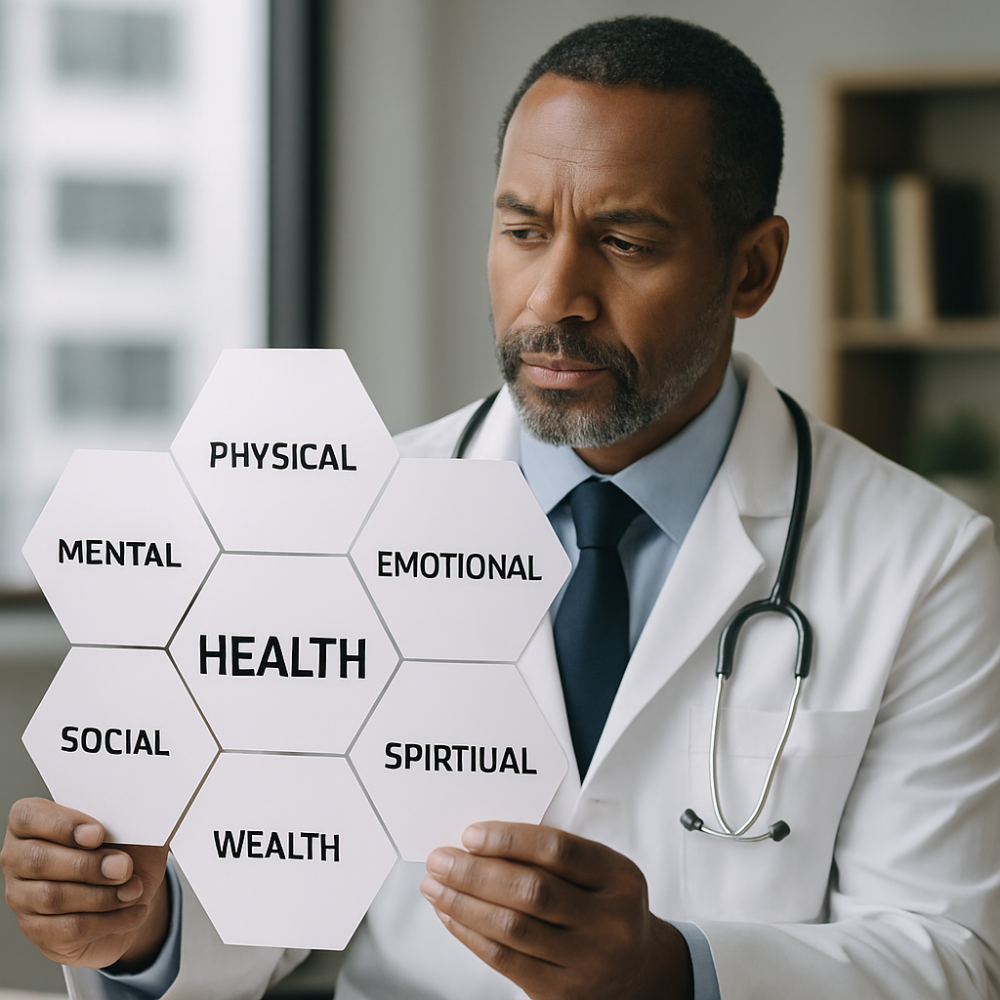
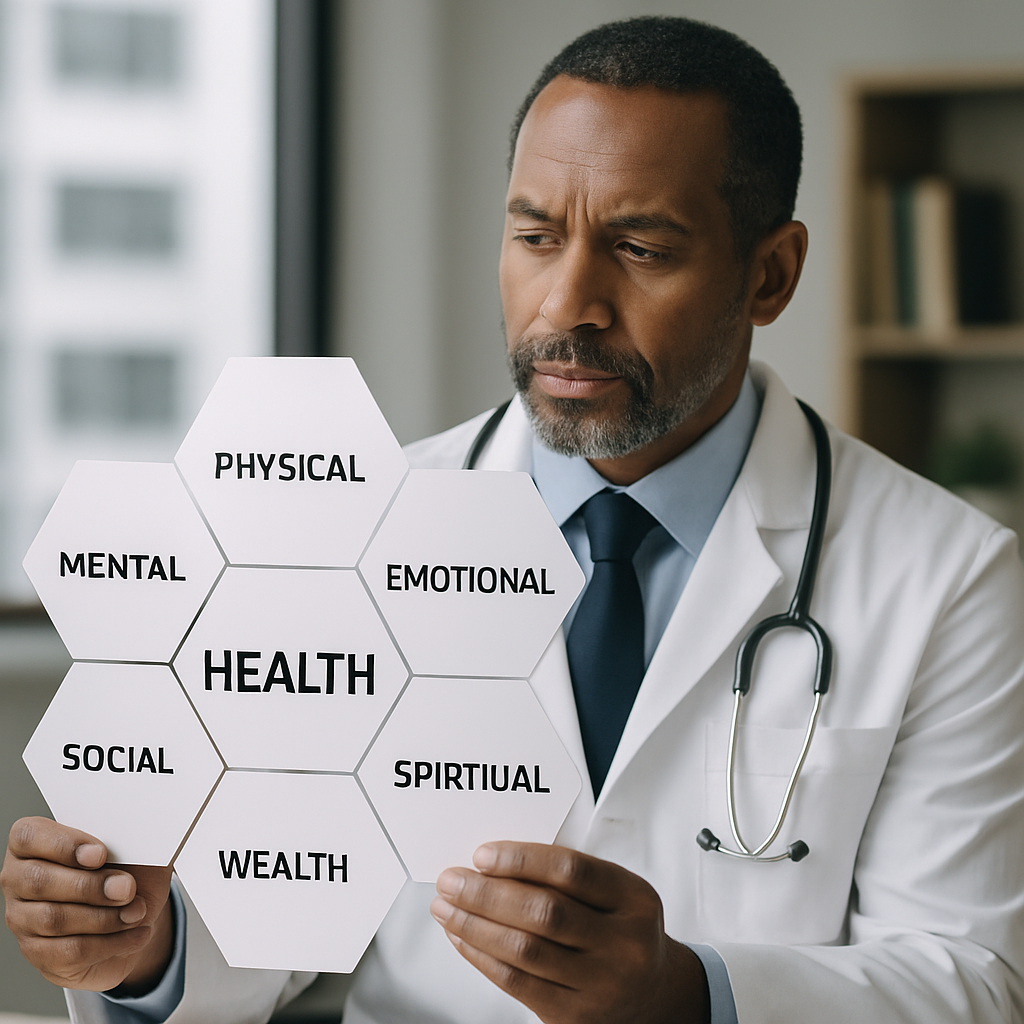
Understanding the Relationship Between Health Components and Wellness
The five primary components of health—physical, emotional, intellectual, social, and spiritual wellbeing—are deeply intertwined in defining one’s overall wellness. They collectively provide a framework for disease prevention, healthcare strategies, and personal development. Addressing each of these dimensions not only promotes individual health but also strengthens community-based approaches to illness prevention and overall quality of life. By seeing wellness as a multifactorial construct, communities and individuals can harness these components to develop targeted disease control and management programs.
Physical Wellbeing: Foundation of Disease Prevention and Health
Physical wellness is fundamental to lifelong health. It encompasses nutrition, exercise, adequate sleep, and consistent healthy lifestyle habits. Focusing on these aspects helps in controlling chronic conditions and preventing communicable diseases. Proper sleep and balanced nutrition significantly reduce the risk of obesity, diabetes, and cardiovascular issues. Engaging in regular physical activity not only builds strength but also enhances the body’s ability to ward off infections, a cornerstone concept for community health strategies.
Initiatives at neighborhood and governmental levels, such as nutritional awareness campaigns or improved access to safe recreational spaces, leverage physical wellness for disease prevention. Hospitals and healthcare programs also base a large part of their management initiatives on these foundational elements, ensuring broader population benefit. Sleep and physical fitness emerge as core elements when promoting health and minimizing preventable hospital-acquired infections.
Regular self-assessment and the promotion of healthy habits are integral, informing ongoing community nursing practices and health education interventions.
Emotional and Social Health: Promoting Relationships and Community Connection
Emotional wellbeing involves stress management, self-awareness, and sustaining positive relationships. Social wellbeing centers on communication, empathy, relationship-building, and community engagement. These dimensions directly affect individual illness management and community healthcare strategies, as emotionally and socially connected people are more likely to seek care, follow medical advice, and serve as peer supporters in disease prevention campaigns.
Community-based programs that nurture emotional resilience and social ties—such as peer support groups or empathy training workshops—aide not only in primary prevention but also in secondary and tertiary healthcare levels. These approaches prove effective in addressing health-related social needs and promoting better outcomes among underserved groups. Strong social networks within communities enable effective health promotion efforts and help minimize barriers to care, such as stigma or lack of transportation.
Communities invested in emotional and social health can contribute to a decrease in both acute and chronic illnesses, directly impacting overall wellness and reducing disease control costs.
Healthcare providers utilize tools that screen for social determinants of health in order to better align strategies with emotional and social realities in the population they serve.
Intellectual Wellness: Enhancing Mental Stimulation and Health Literacy
Intellectual wellness encompasses learning, creativity, and mental stimulation. It is pivotal in disease prevention and the self-management of health because it shapes an individual’s health literacy. Informed people are equipped to make better nutrition choices, understand medication regimens, and participate more actively in chronic disease management programs.
Community-level interventions, such as workshops on nutritional literacy, chronic illness management, or research-based health seminars, raise collective awareness and promote actionable health strategies. Through programs that nurture sustained intellectual engagement—like wellness education campaigns—communities can increase the effectiveness of public health messaging and health-related behaviors.
Healthcare strategies that emphasize lifelong learning ensure that both patients and healthcare professionals stay abreast of the latest practices, thereby controlling infectious disease risks and minimizing human errors in care delivery.
Spiritual Wellbeing: Supporting Purpose, Resilience, and Disease Control
Spiritual health, though often overlooked, underpins resilience and community solidarity. A sense of purpose and connection to personal values enhances the motivation for healthy lifestyle changes and engagement in wellness initiatives. This component is closely linked to emotional and social dimensions, as many community-based programs incorporate spiritual support to enhance disease prevention efforts.
Faith-based organizations and spiritual support groups can play a significant role in healthcare strategies by rallying communities for public health campaigns, promoting healthy behaviors, and providing support during outbreaks or chronic illness management. This integration of spiritual wellbeing offers an additional layer in reducing risk factors and overcoming common barriers to care access, particularly in culturally diverse neighborhoods.
Research has shown that well integrated spiritual wellbeing helps individuals manage stress, recover from illness more quickly, and participate robustly in community wellness programs, ultimately supporting both prevention and holistic care.
Tools such as state value slogans or wellness philosophies are frequently grounded in shared spiritual beliefs, helping align public health projects with community values and priorities.
Holistic Wellness: Integrating All Components for a Healthy Community
Effective community healthcare strategies recognize that all five health components are interrelated. For robust disease control, prevention, and promotion, wellness initiatives must address physical, emotional, intellectual, social, and spiritual dimensions simultaneously. Such comprehensive approaches—through surveillance, advocacy, intervention, and health screening—help create healthy neighborhoods and reduce the burden of communicable and chronic illnesses.
Personal development frameworks that incorporate all dimensions facilitate goal setting and intentional self-improvement, offering a roadmap toward balanced wellness. Ongoing self-assessment and adaptation of practices in each area ensure continued growth and community resilience.
By focusing on these interconnected health components, community-based programs and healthcare management models become more effective at promoting disease prevention and healthy behaviors. This synergy leads to reduced health disparities, improved outcomes, and a higher quality of life for all members of society.
A holistic approach, grounded in these five components, remains central to controlling diseases, enhancing health literacy, and building healthier communities for the future.