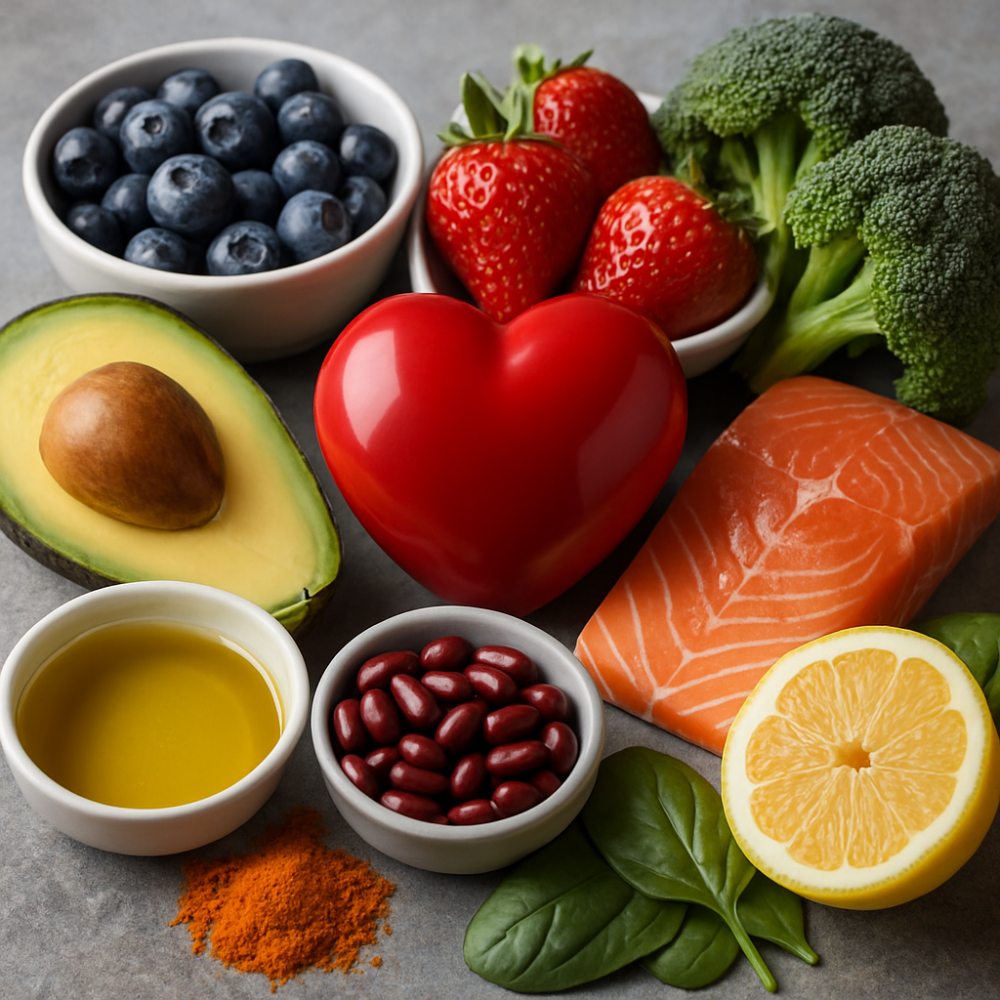
Understanding the Power of Antioxidant-Rich Anti-Inflammatory Foods
If you want to support heart health, manage arthritis, and encourage healthy weight loss, prioritizing anti inflammatory foods rich in antioxidants is essential. These foods help counteract the harmful effects of chronic inflammation, a major driver behind conditions such as cardiovascular disease and joint pain. Making these foods a staple of your winter diet means enjoying both immediate benefits like reduced discomfort and long-term improvements in overall health.
Research shows that foods high in antioxidants—including those common in Mediterranean-style diets—can diminish inflammation markers in the body. Choosing these foods instead of highly processed or sugary options provides natural compounds that are linked to a lower risk of developing chronic diseases. For example, fruits like pomegranates, pears, citrus, and apples not only supply antioxidants but are also fiber-rich, supporting healthy digestion and blood sugar balance.
Integrating a wide variety of antioxidant-laden foods into your daily routine is not complicated; rather, it is about knowing which foods to focus on, and why. With winter limiting fresh produce options, frozen fruits and sturdy crops such as broccoli or beetroot offer accessible sources of anti-inflammatory nutrients throughout the season.
Key Antioxidant Foods for Boosting Heart Health
Cardiovascular disease is often linked to ongoing inflammation. That means your food choices can play a direct role in your heart’s health. Several winter fruits and vegetables stand out as top picks not just for their antioxidant impact, but for their fiber and vitamin content as well.
Pomegranate, for example, is packed with polyphenols that may reduce blood pressure and improve arterial function. Similarly, citrus fruits such as oranges, grapefruits, and clementines are rich in vitamin C and flavonoids that may enhance vascular health. Apples and pears, with their soluble fiber and quercetin, are linked to reduced cardiovascular risk.
Also, the inclusion of nuts and olive oil in your winter meal plan supports optimal heart health. Olive oil, a cornerstone of the Mediterranean diet, contains oleocanthal—an anti-inflammatory compound comparable in effect to some medications, as explained by trusted sources like the Arthritis Foundation.
When possible, combining these antioxidant-rich foods with other heart-friendly choices like fatty fish, leafy greens, and whole grains maximizes their benefits.
Managing Arthritis and Joint Health through Anti-Inflammatory Nutrition
People navigating arthritis symptoms often experience daily inflammation and pain. Adjusting your diet to emphasize anti-inflammatory foods known for their antioxidant properties can make a substantial difference. Broccoli, for example, is especially abundant in sulforaphane, a phytochemical that may protect against cartilage breakdown.
Frozen fruits and vegetables work as reliable options during colder months, retaining most of their antioxidants. Dietitians and medical experts often recommend berries, citrus, avocados, and green tea for their proven inflammation-lowering effects. The anti-inflammatory meal plan guide at EatingWell highlights how choosing produce like apples, pears, and pomegranate can help manage inflammation year-round.
Integrating such foods into an overall arthritis diet—rich in beans, nuts, and olive oil—allows for flavor variety and improved joint support. Even simple salad toppings such as chopped almonds or seeds can provide a notable antioxidant punch.
Maintaining consistency in the inclusion of these foods is key for lasting relief.
Reducing processed food and saturated fat while boosting naturally antioxidant-rich items is shown to be particularly beneficial for arthritis prevention and comfort.
Supporting Healthy Weight Loss with Antioxidant Foods
Winter can be a challenging time for weight management, but focusing on antioxidant-rich and anti-inflammatory foods is a smart way to encourage fat burning and overall wellness. These foods typically have lower energy density—meaning they provide fewer calories per gram, allowing you to eat more volume with less caloric impact.
High-fiber fruits such as pears, apples, and citrus promote satiety, making it easier to manage portions and avoid overeating. Broccoli, beetroot, and other vegetables deliver fiber and polyphenols that aid metabolic health. Avocado, known for its heart-healthy fats, offers inflammation-lowering attributes recognized by researchers at leading institutions, including Harvard and nutrition-focused platforms like Real Simple (see recipe inspiration).
Swapping carbohydrate-heavy meals for nutrient-dense, antioxidant-packed alternatives—such as a winter farro and veggie salad or savory oatmeal with spinach—will naturally support your body's weight loss goals. Studies also connect Mediterranean diet staples, like olive oil and legumes, with a reduced waist circumference and improved fat metabolism.
Adhering to these choices not only fuels the body’s nutritional needs but also maintains stable energy and reduces winter cravings.
Practicing portion control and mindful snacking, based on antioxidant-dense foods, further enhances results during the colder months.
Seasonal Strategies: Antioxidant Ingredients to Prioritize in Winter
During winter, local produce options may narrow, but there are still plenty of antioxidant-rich choices available. Seasonal picks like citrus, pomegranate, and apples remain fresh and are easy to incorporate into meals and snacks. Frozen berries and dark leafy greens are excellent options for smoothies, oatmeal, or warm salads even when fresh are less available.
Beetroot brings unique antioxidants known as betalains, which support healthy blood pressure and assist in detoxification processes. Broccoli and other cruciferous vegetables provide a steady supply of important phytochemicals, making them especially valuable at this time of year.
Keeping a variety of these foods on hand—rotating through available seasonal and frozen produce—ensures you continually supply your body with the nutrients needed to manage inflammation and support metabolism.
Meal planning guides such as this detailed winter meal plan can help you make practical, delicious decisions that enhance your health throughout the colder months.
Putting It All Together for Lifelong Anti-Inflammatory Benefits
An anti-inflammatory, antioxidant-rich diet is highly effective for protecting your heart, supporting joint health, and aiding weight loss—especially during winter. By centering meals around pomegranates, citrus fruits, pears, apples, broccoli, beetroot, and olive oil, you provide your body with compounds known to fight chronic inflammation and oxidative stress.
Paired with habits such as reducing processed food intake and opting for healthy fats, these strategies form a strong foundation for lasting well-being. Simple shifts, like preparing salads with nuts and seeds or opting for winter-friendly vegetable sides, make a substantial impact.
Adopting this approach does not require deprivation but instead embraces the abundance and variety of whole foods available even in the colder months.
When your dietary choices consistently focus on antioxidant and anti-inflammatory powerhouses, you position yourself for better health, comfort, and vitality all year long.
This foundational dietary pattern is as enjoyable as it is effective when planned with care, variation, and seasonality in mind.